

ARTICLES
Sea of Clouds Trekking, Lake Kussharo Canoeing & SUP, and Shima Enaga Birdwatching! Activities in Bihoro, Hokkaido, Guided by a World Traveler



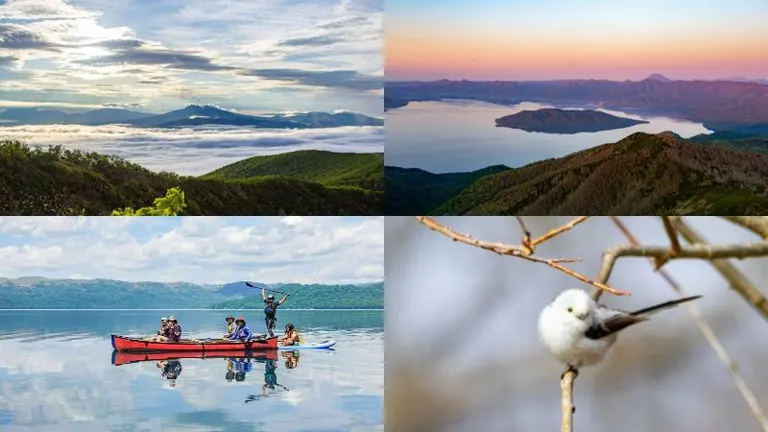
Located about a 15-minute drive from Memanbetsu Airport, the gateway to Eastern Hokkaido, is the town of Bihoro. Surrounded by cities like Abashiri and Kitami, and Shari Town, home to the World Heritage Shiretoko Peninsula, Bihoro is where you'll find "Pikan Planning," a company offering eco-tours and outdoor programs to fully enjoy nature. Popular activities that bring you closer to the nature of Eastern Hokkaido include trekking to see a sea of clouds, SUP and canoeing on Lake Kussharo, and birdwatching for the "snow fairy," the Shima Enaga. Here, we introduce the charm of these unique nature experiences in Bihoro, guided by someone who has traveled around the world.
Sharing the Appeal of Bihoro's "70% Nature," Neither Urban nor Untouched Wilderness
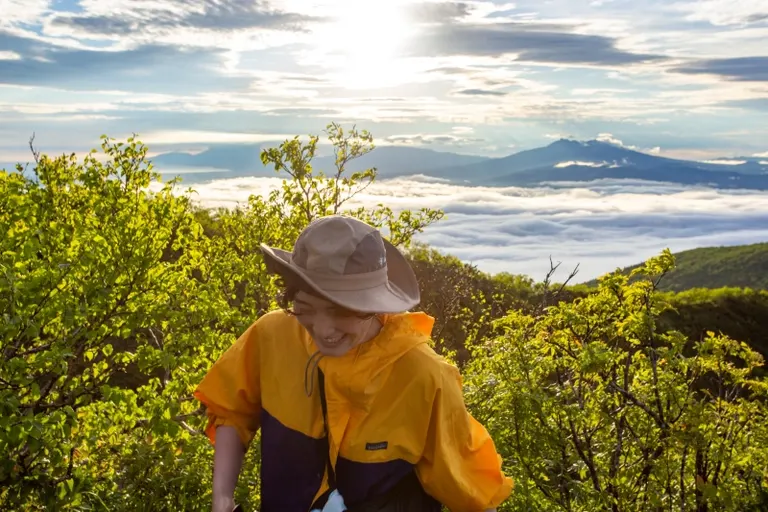
A photo taken with the sea of clouds from Mount Mokoto in the background
Pikan Planning develops activity tours based in Bihoro Town. It was established in 2023 with the desire to "offer tours that cherish the 'feeling of connecting with nature'." The founder, Akimasa Takikawa, is an experienced traveler who began a round-the-world journey at the age of 23, hiking through mountains across the globe, including Sagarmatha National Park, the Caucasus Mountains, the Tatra Mountains, the Santa Cruz Valley, and Patagonia.
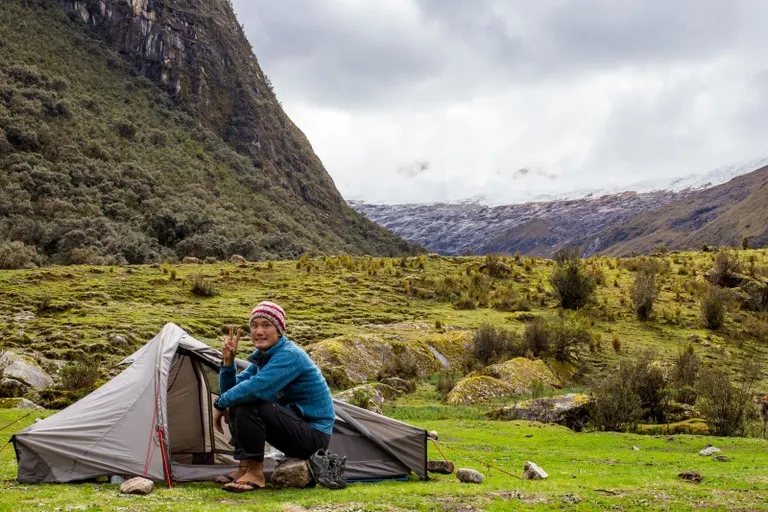
Mr. Takikawa during his round-the-world trip
Inspired by the kindness he received from people during his travels, he thought, "This time, I want to be the one welcoming travelers." After returning to his hometown of Sapporo, he began working for a company that managed guesthouses and guide services. However, with the COVID-19 pandemic starting in 2020, tourism-related businesses came to a halt. It was then that a job posting for Bihoro Town's Community Development Cooperation Team caught his eye: "Seeking individuals to become guides utilizing the local area of Bihoro."
Mr. Takikawa, who had been thinking, "I want to put down roots in a community and share the charm of its local nature," immediately applied and was hired. He moved to Bihoro in April 2020 and has since been living there, "discovering" the town's natural beauty with his own eyes.
So, what exactly is the charm of Bihoro's nature?
Mr. Takikawa explained it using the phrase "70% nature."
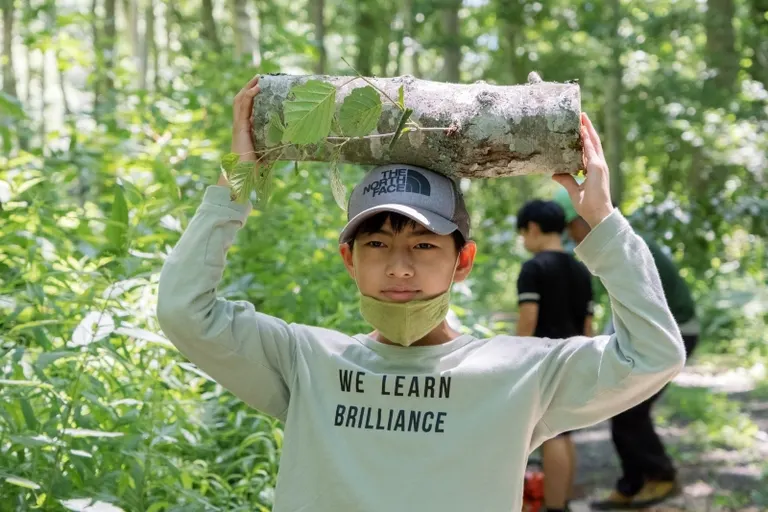
"If you were to rate a region's 'naturalness' on a scale, and a city is '0-5,' then places like Daisetsuzan National Park or the World Heritage site of Shiretoko would be '100-120.' I think Bihoro, where I live, is around '70.' The nature in World Heritage sites and national parks is breathtaking and truly wonderful, but because it's strictly protected by law, it's difficult for the average person to interact with it. However, there are many ways to engage with nature, such as gathering and eating wild vegetables, or using felled trees to make tools. There's a joy in actively participating with nature.
In Bihoro, you can enjoy nature in that way, and I hope to share that appeal with everyone." (Akimasa Takikawa)
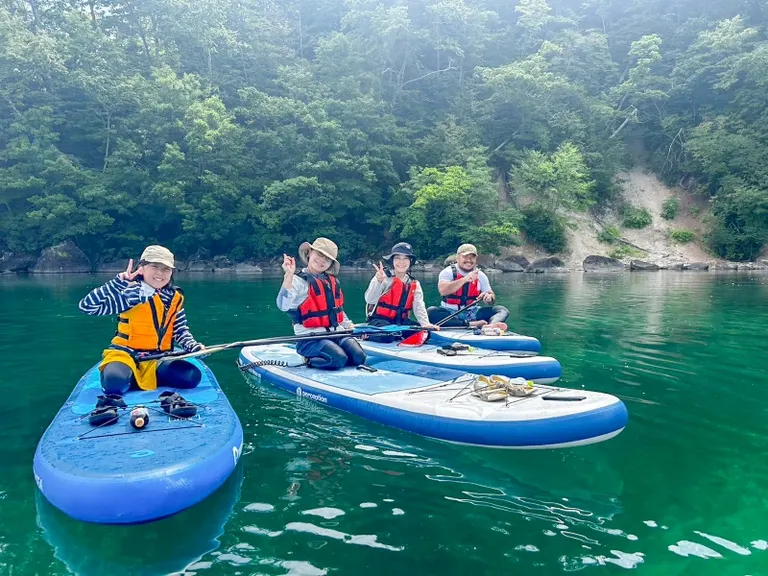
Scene from the Lake Kussharo Wakoto Peninsula SUP Tour
Pikan Planning offers activities based in Bihoro Town. Their main fields are Lake Kussharo, a caldera lake formed when a crater from a volcanic eruption filled with water, and Mount Mokoto, the highest peak among the mountains surrounding the lake. They offer a variety of eco-tours and outdoor programs, including trekking, canoeing, SUP, and birdwatching.
For those wondering, "But how is this different from outdoor programs in other areas?" we'll delve into the unique charms of the programs offered by Pikan Planning!
Witness a Breathtaking Sea of Clouds on the "Mount Mokoto Trekking Tour"
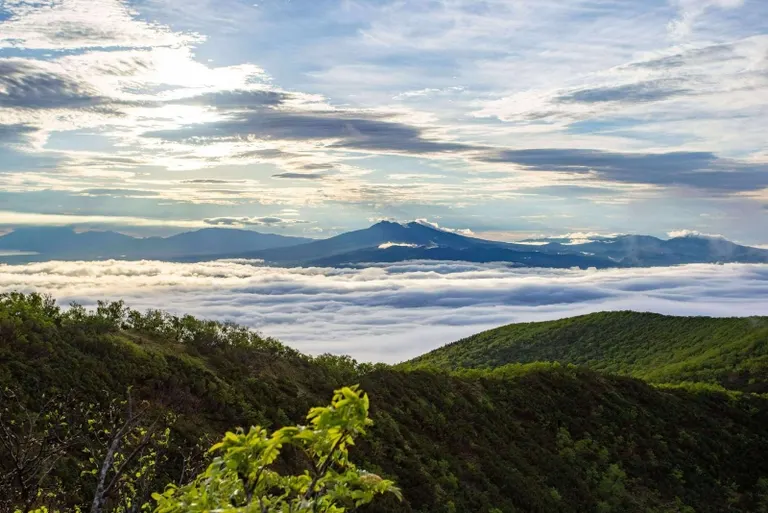
The sea of clouds viewed from the summit of Mount Mokoto
First up is the Mount Mokoto Trekking Tour. The main attraction of this eco-tour is undoubtedly the sea of clouds visible from the summit. A view like this is sure to make you forget all your fatigue!
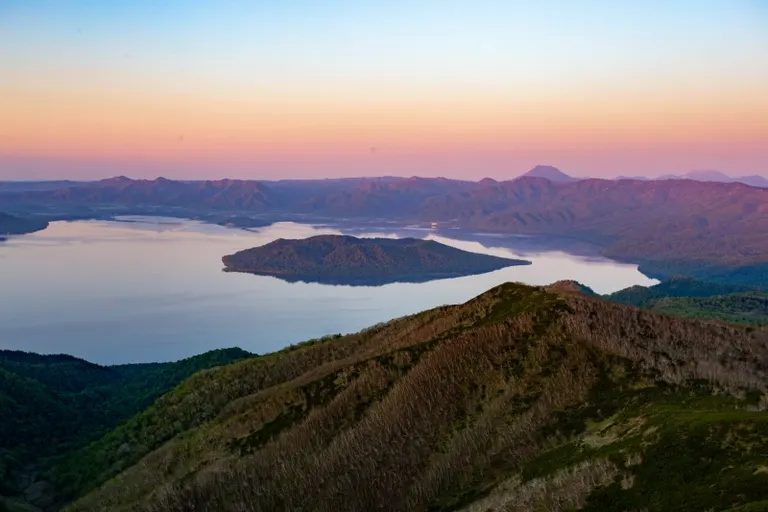
Wake up early for the "Mount Mokoto Sea of Clouds & Sunrise Tour" and you might see a magical scene like this!
At the 8th station, about a 15-minute descent from the summit, there's a mountain hut where you can also stay overnight. It's recommended to refresh yourself with a drink of the spring water called "Ginreisui." When there are few people, they sometimes bring bamboo poles to make nagashi-somen (flowing noodles) using the spring water. This kind of fun is perhaps unique to a "70% nature" environment, where people can actively engage with their surroundings.
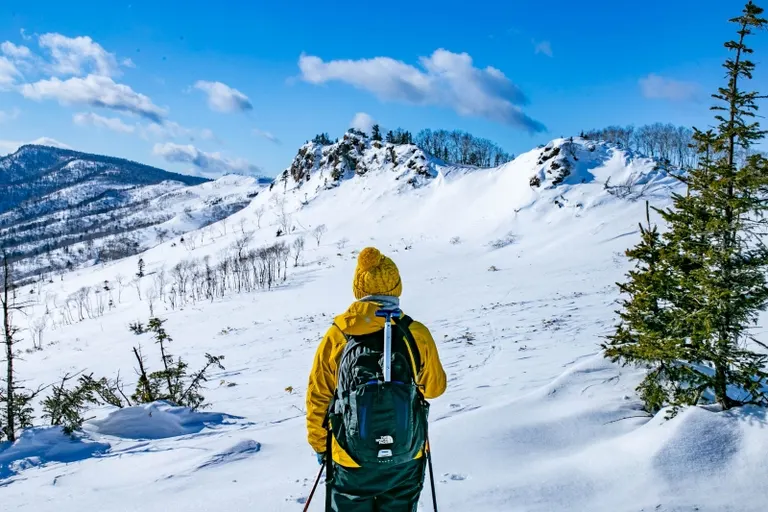
When the trails and trees are buried in snow, it becomes a completely different world from summer
The "Mount Mokoto Snow Trekking Tour" held in winter offers a completely different landscape from the summer. In summer, you walk on maintained trails, but in winter, the paths and low shrubs are buried in snow, which has the advantage of allowing you to walk freely wherever you want.
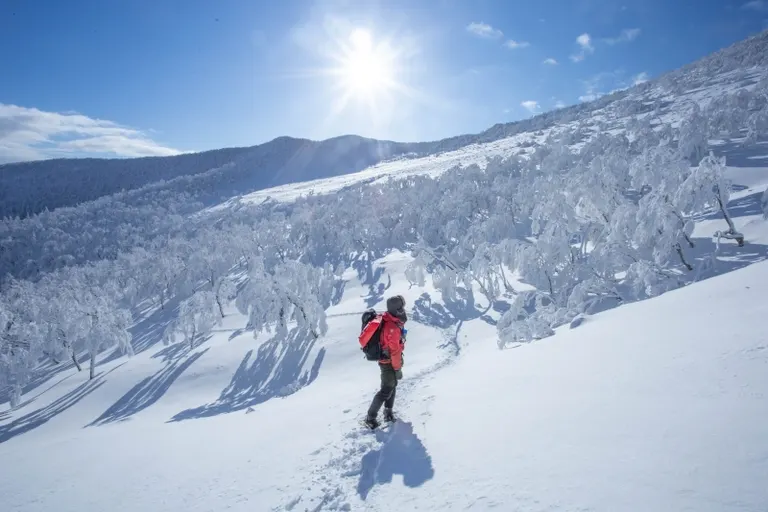
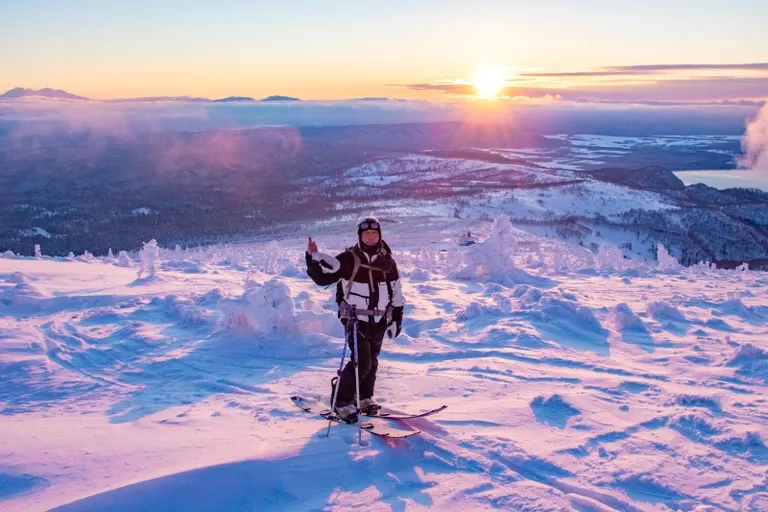
You can fully enjoy the charm of Mount Mokoto as it changes its expression with the seasons, in both summer and winter.
Reach a Hidden Hot Spring, Inaccessible by Land, via SUP or Canoe on Lake Kussharo
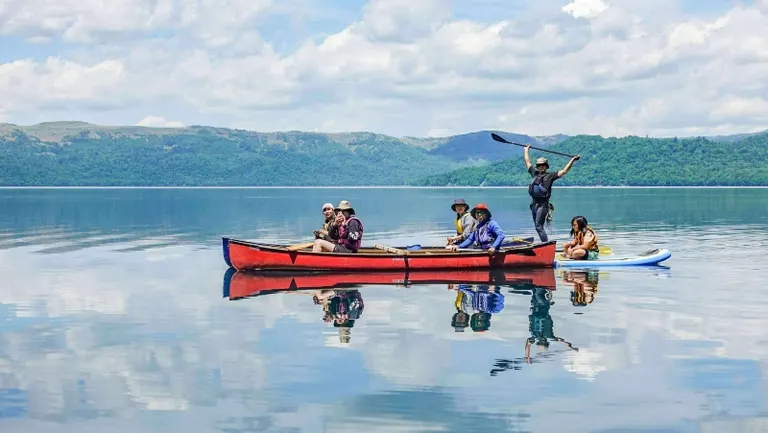
Lake Kussharo, where spring water from the surrounding mountains flows directly into the lake
Another major field for Pikan Planning's Bihoro-based activities is Lake Kussharo. On Lake Kussharo, Japan's largest and the world's second-largest caldera lake, they offer eco-tours where you can enjoy canoeing and SUP.
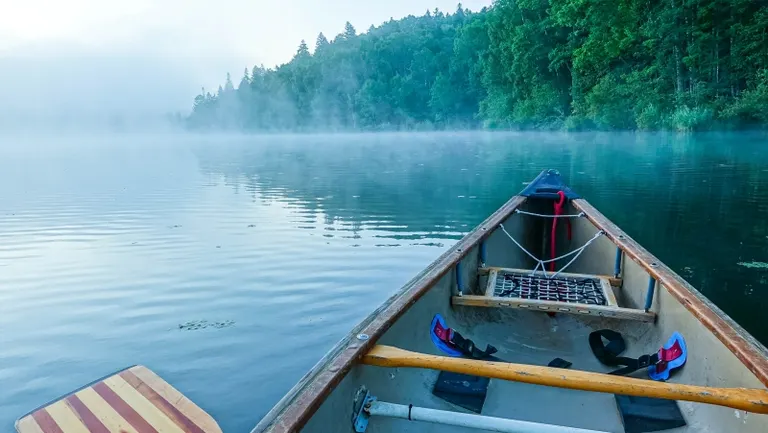
A magical view from the canoe
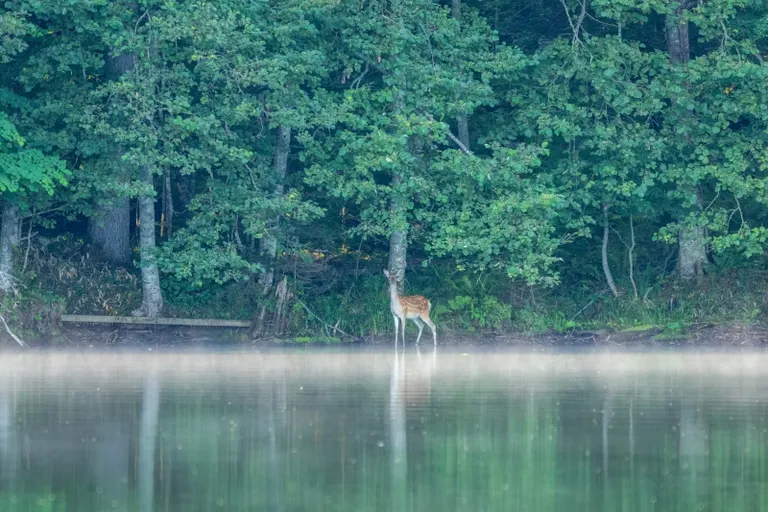
You might even see deer from the lake
Just riding a canoe or SUP on the beautiful lake allows you to feel a sense of unity with nature, but on calm days, you can also go to the hot spring "Oyakotsu Jigoku" at the tip of the Wakoto Peninsula. This place is said to be inaccessible by land, making it a true "hidden hot spring." Besides soaking in the onsen, they sometimes make and eat boiled eggs there.

Onsen tamago (soft-boiled eggs) made with the power of nature are exceptionally delicious
Making boiled eggs in a natural hot spring is not something you can easily do, even at a tourist spot. This is another one of the precious experiences unique to Pikan Planning's activities.
You Might Even Meet a Shima Enaga! Birdwatching Tour
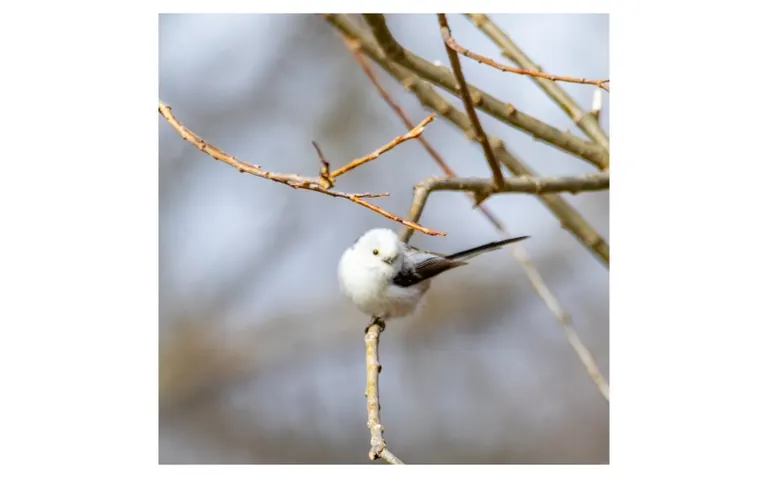
Pikan Planning also holds birdwatching tours in both Bihoro Town and on the Wakoto Peninsula. On both tours, there's a chance to see the Shima Enaga, also known as the "snow fairy." Although this bird inhabits all of Hokkaido, it can be difficult to spot if you're not used to it, making the "Find the Shima Enaga! Bihoro Town Birdwatching Tour" particularly popular.
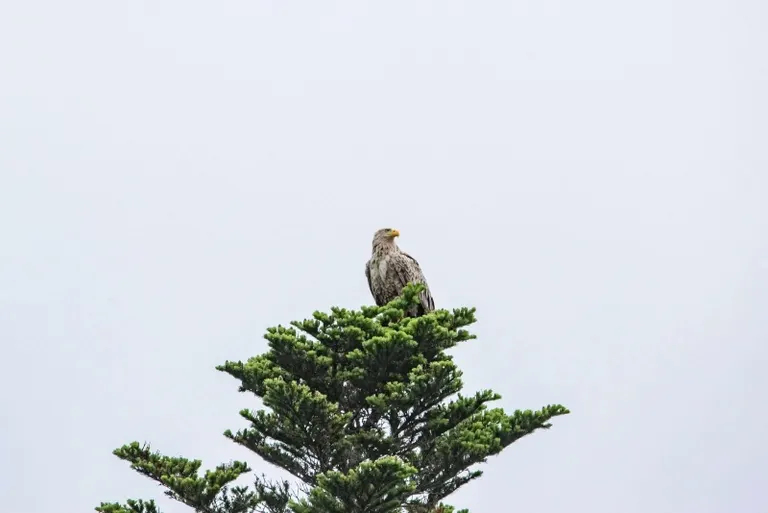
White-tailed eagle
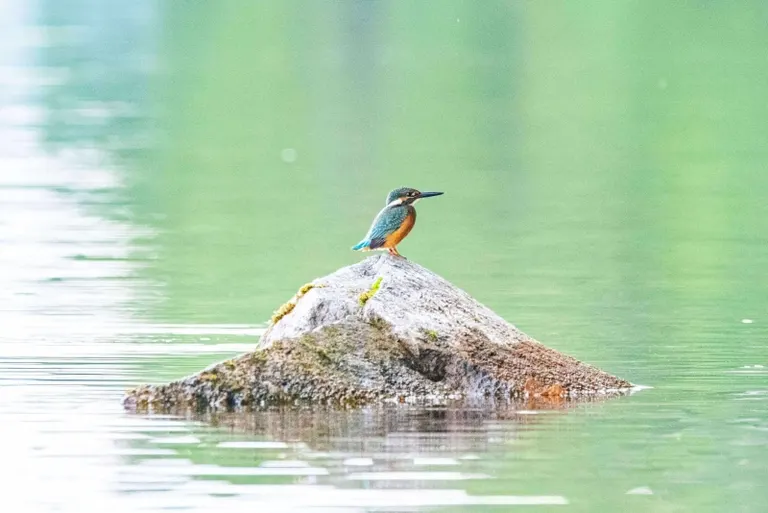
Kingfisher
In addition, you can often encounter birds like the Black Woodpecker and Great Spotted Woodpecker, known as "kitsutsuki," as well as the vibrantly colored Japanese Green Pigeon. Peer intently into the forest and try to find these beautiful wild birds.
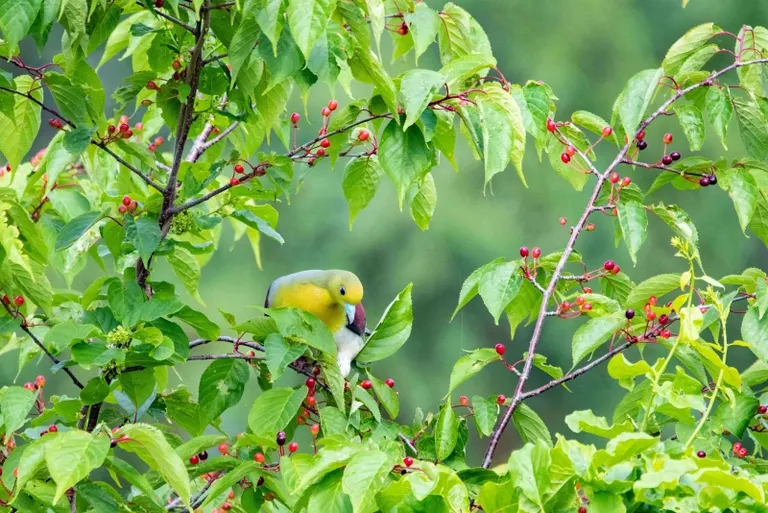
Japanese Green Pigeon
They also offer a "Bihoro Headwaters Mountain Biking Tour."
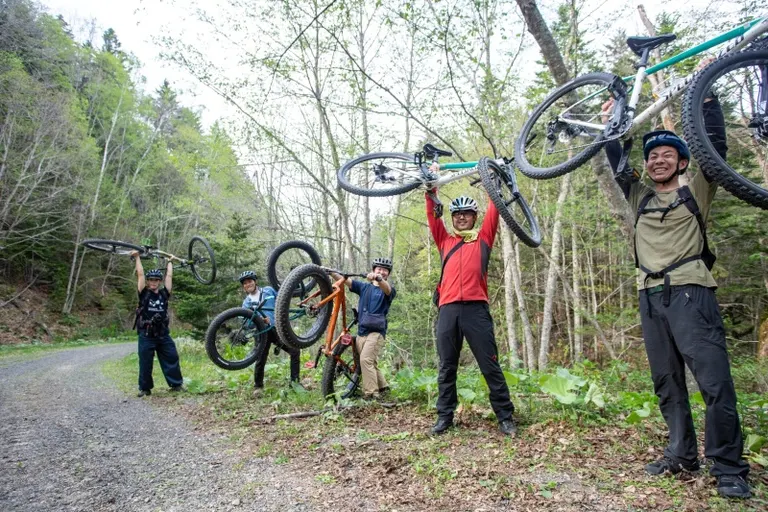
Mr. Takikawa, who has himself traveled the world, says, "Eco-tours and outdoor programs, which last 2-3 hours and cost around 10,000 yen, might seem expensive, but I believe that 'experiences' like travel and activities become irreplaceable."
Bihoro Town is conveniently located, about a 30-minute drive to Abashiri where drift ice arrives in winter, a 40-minute drive to Akan-Mashu National Park, and a 90-minute drive to Shiretoko. You can wake up early to see the sea of clouds on Mount Mokoto before heading to another area, or you can experience several of Pikan Planning's activities.
It might be difficult to experience everything if your schedule is limited, but be sure to choose the activities that interest you and share a wonderful time with your family and friends!
 Pikan Planning

■Price: Half-day tour from 8,000 yen / Full-day tour from 12,000 yen
*Prices vary depending on the tour content.
Click here for details on "Pikan Planning"
<DOTO Youth Discount × Pikan Planning>

■Pikan Planning's Special Offer: 25% off tour participation fee (applies to one tour for about 3-5 people.)
For more details on the "DOTO Youth Discount," please see this feature page.
Writer's Profile
Nonoka Sasaki

Born in Otofuke, Hokkaido in 1990. Moved to Tokyo for university and became a freelance writer in 2015. She made a U-turn back to Hokkaido in 2021 and now lives in her hometown of Tokachi with a horse, two cats, and a child. In winter, she is a hunter, tracking deer. Her books include "In Search of Love and Family" and "About Loving Yourself (or About Happiness)" (both from Aki Shobo).