

ARTICLES
Pilgrimage to the "Historical Village of Hokkaido": A Real-Life Location from the Hit Movie 'Golden Kamuy'!



Satoru Noda's popular manga "Golden Kamuy," which has sold over 27 million copies, concluded with its 31st volume in 2023. However, its popularity continues to soar, with the live-action movie released in January 2024 becoming a massive hit and the anime series still ongoing. This story, set in Hokkaido, revolves around a fierce battle for Ainu gold. Let's experience the world of Golden Kamuy at the "Historical Village of Hokkaido," a "sacred site" for fans, featuring numerous buildings that served as models for the series!
Scenes from the Manga and Movie Right Before Your Eyes!
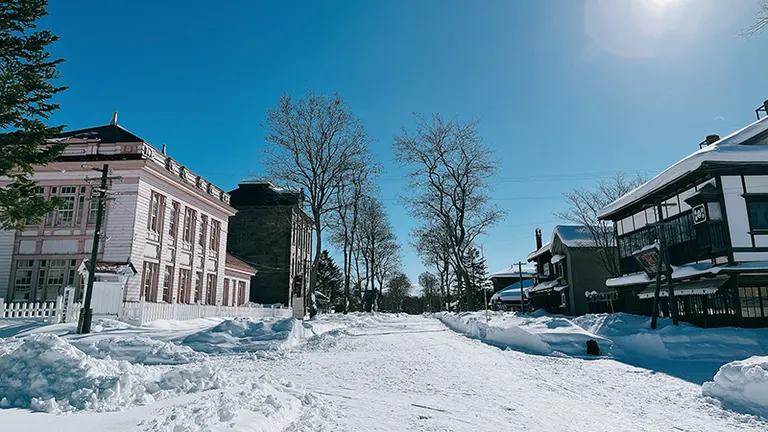
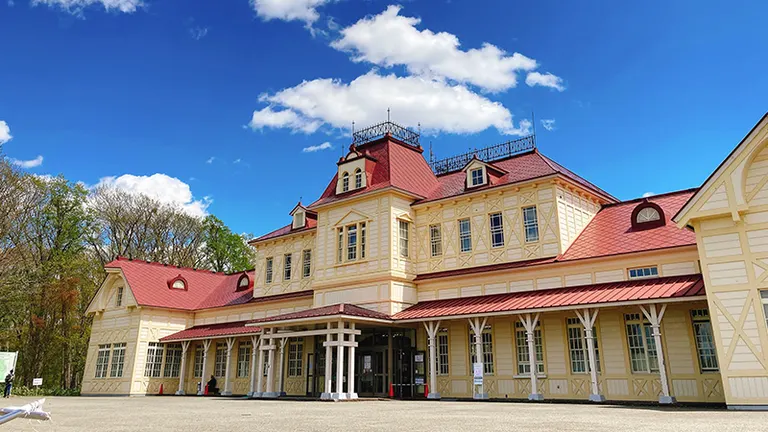
Author Satoru Noda himself visited the "Historical Village of Hokkaido" for research, and many of its buildings and streetscapes appear as models for scenes in the original work. Out of the 52 structures in the village, a staggering 33 were used as models for the manga (according to the Hokkaido Historical and Cultural Foundation). As you pass through the "Former Sapporo Station" building, which serves as the entrance, a familiar landscape from the manga and movie unfolds before you.
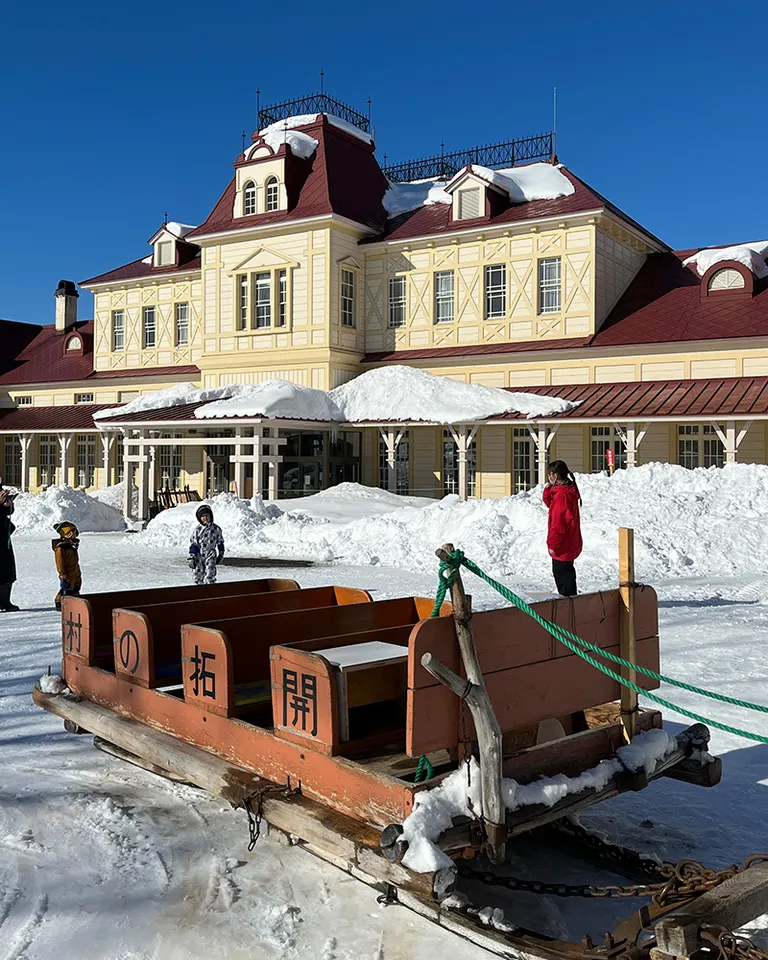
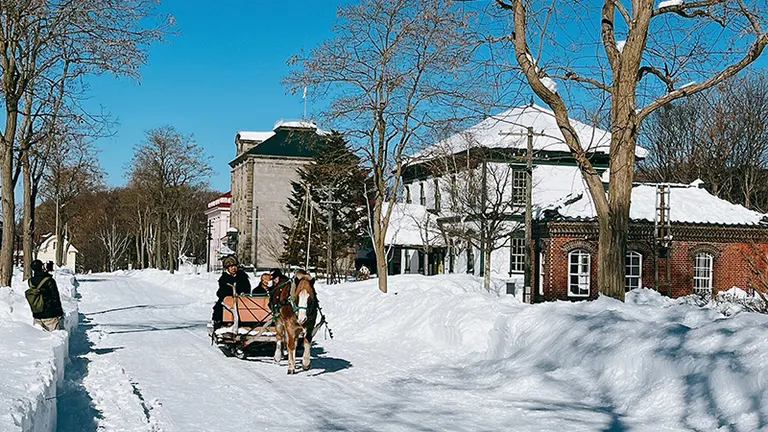
The central street features government offices and a shopping district. A horse-drawn trolley runs in the summer, and a horse-drawn sleigh in the winter (both for a fee). Many might recall the scene from the movie where the protagonist, Saichi Sugimoto, and the 7th Division engage in a thrilling horse-drawn sleigh chase. Riding the sleigh yourself is surprisingly fast and thrilling as it slides sideways a bit! You can get a small taste of what it's like to be Sugimoto.
Buildings That Let You Relive the World of Golden Kamuy
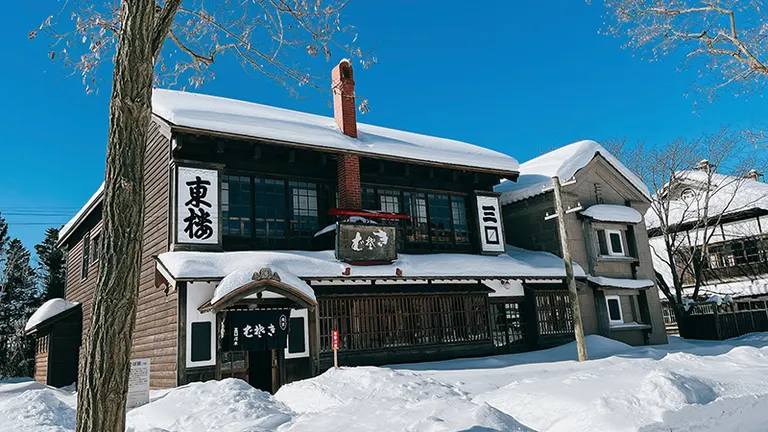
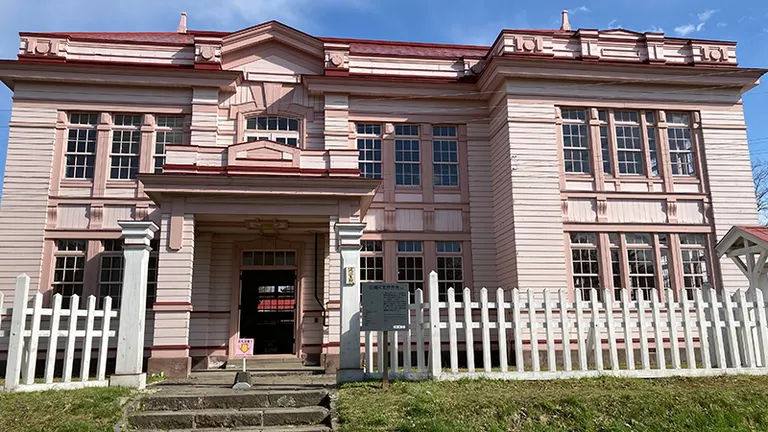
To make your pilgrimage even more enjoyable, bring your copy of the manga. Having the e-book on a tablet is also convenient. "Isn't this that scene with Hijikata? Could this be...?" Comparing the scenery with familiar scenes and exploring the buildings from the characters' perspectives will make the experience all the more moving.
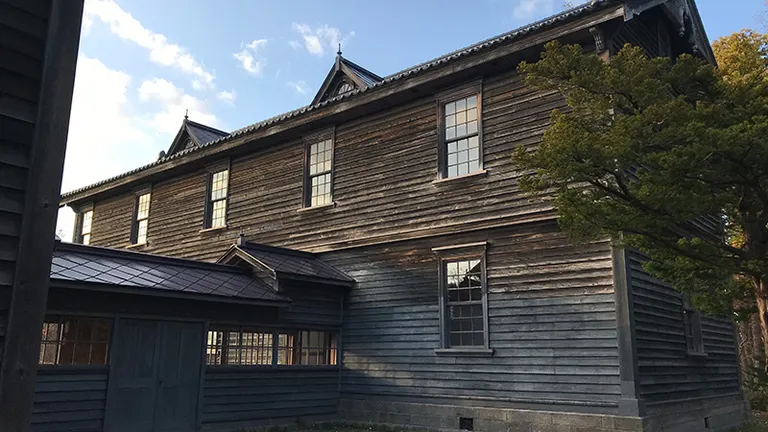
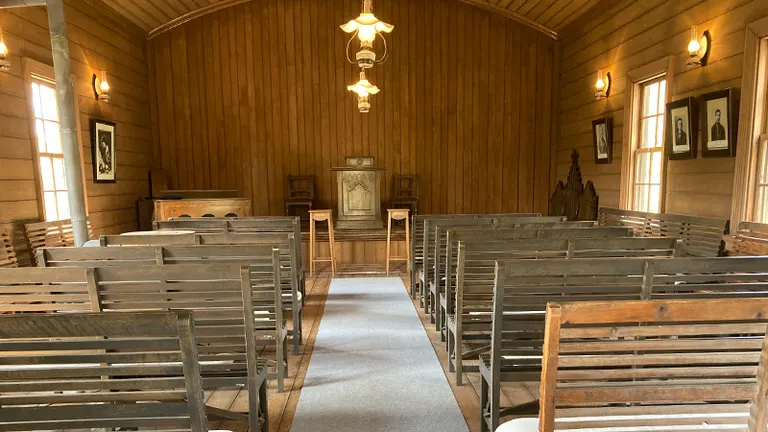
One of the charms of the village is the architectural beauty of buildings from the Meiji, Taisho, and Showa periods. You can enter some of them to get a closer look at the designs and construction of the time. The village is vast, and a thorough tour can take 3-4 hours. However, there are recommended courses based on available time posted, so it's a good idea to decide on a route before you start walking.
- 1
- 2