

ARTICLES
The Hakodate Ceramic Vouchers: Rare Plate-Shaped Gift Certificates Once Used by the Marui Imai Kimono Store



Hakodate Ceramic Vouchers
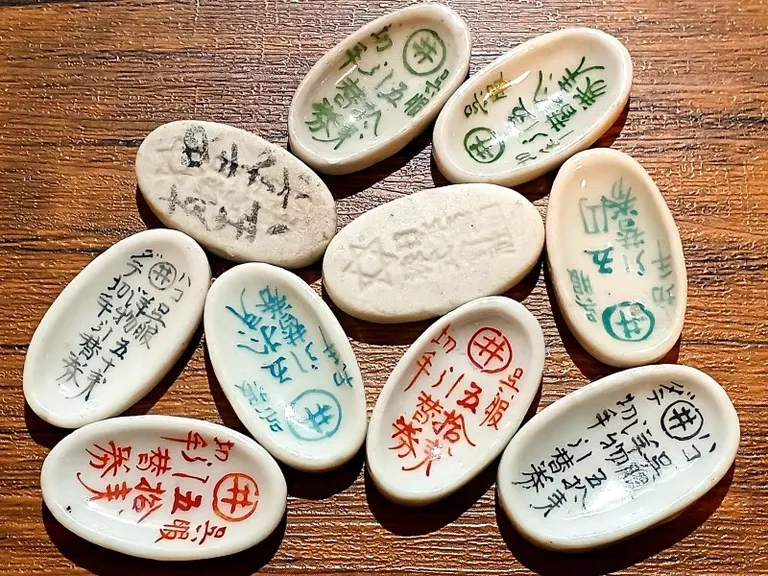
They may not look like it, but these are a type of gift certificate.
They were once issued by a kimono store in Hokkaido called Marui Imai, with the face value written on a tool called a benizara (a small dish for lipstick).
Photo courtesy of @magaxA10
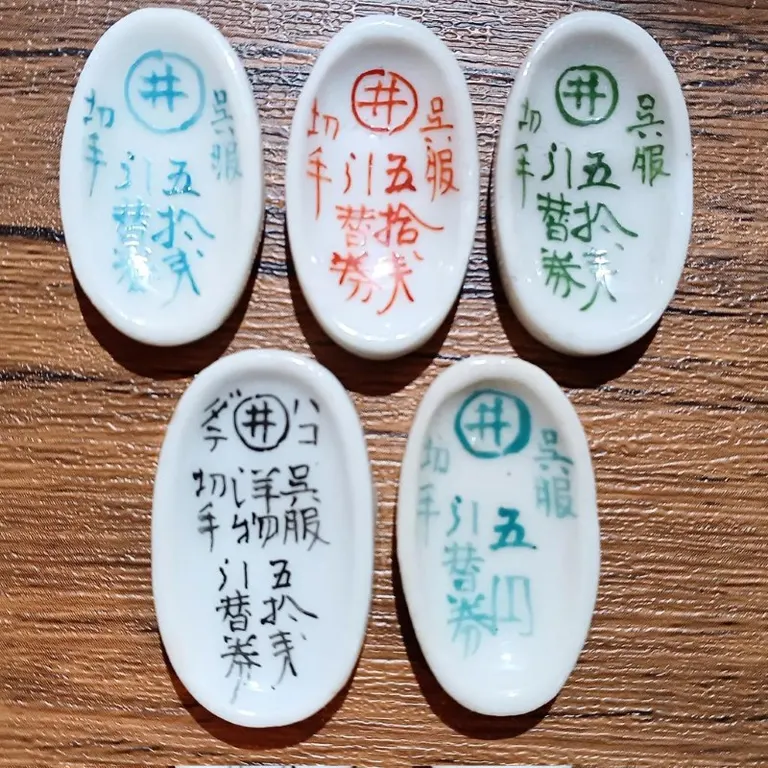
The photo shows oval-shaped, plate-like objects with characters written in red, blue, green, and black. A closer look reveals the word "HAKODATE," the character for "I" inside a circle, and phrases like "Kimono and Western Goods Voucher" and "Exchange Ticket."
The Hakodate Marui Imai Kimono Store, Opened Over 130 Years Ago
The "character 'I' inside a circle" is a familiar logo to the people of Hokkaido, representing the department store Marui Imai. After opening the Marui Imai Gofukuten (kimono store) in Sapporo in May 1874 (the original logo was the character for 'I' inside a circle symbol), the Hakodate Marui Imai Gofukuten opened on April 25, 1892. While it has moved locations, it continues to operate today as the Marui Imai Hakodate Store. This precious item is believed to have been used at the Hakodate Marui Imai Gofukuten of that era.
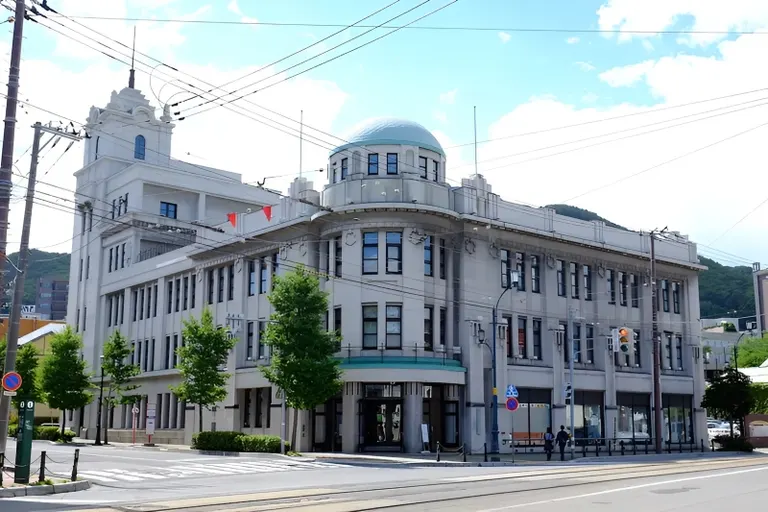
The original building is still in use today as the Hakodate City Community Development Center.
We spoke with Warabi, the owner of this incredibly valuable item, to learn more.
What He Loves: The "Peculiar Appearance"
 Where did you acquire this?
I got it from an online auction. It's a somewhat rare item, but it has long been known among numismatists as an oddity, and it still appears in auctions from time to time.
By the way, the back is engraved with the characters for "Nihon Sesshu Co., Ltd.," which is the trademark of the company that made these benizara dishes. It seems that Marui Imai repurposed the benizara made by Nihon Sesshu to use as gift certificates.
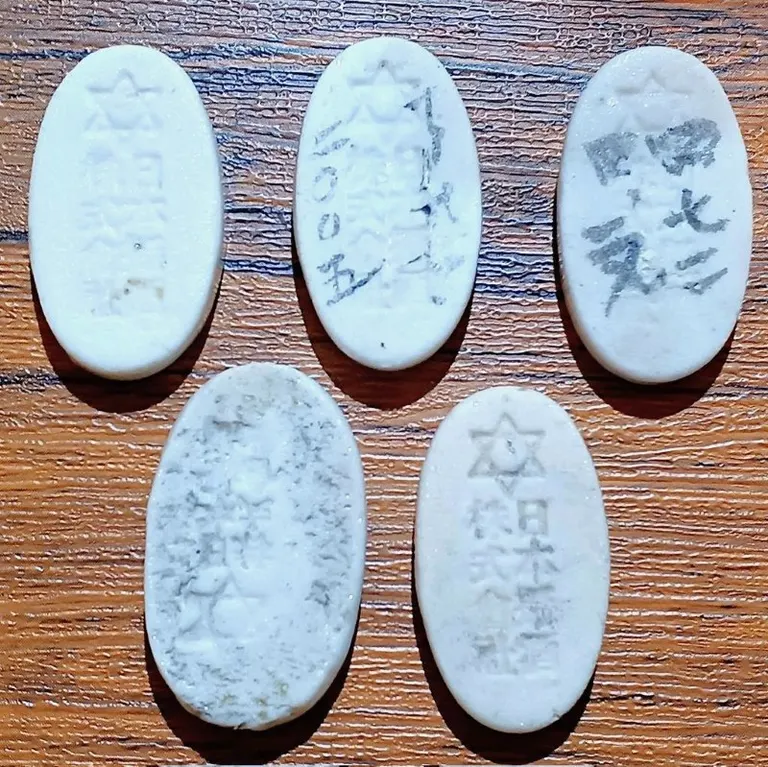
On the back, you can see the engraved characters for "Nihon Sesshu Co., Ltd."
This is a very unusual item called a "ceramic voucher." What is your favorite thing about it?
Do you have any other items in your possession that are related to Hokkaido?

Hakodate Tsuho
- 1
- 2