

![Adorable Winter Animals in Hokkaido: See the Whooper Swan Parade in Naganuma and More! [Hokkaido Mirai Note (46)]|Domingo](https://p1-634a4370.imageflux.jp/w=768,f=webp:auto,q=78/https%3A%2F%2Fdomingo.ne.jp%2Fwp%2Fwp-content%2Fuploads%2F2021%2F02%2F353d5a6e1963d6a596188310a0fdd097.jpg)
ARTICLES
Adorable Winter Animals in Hokkaido: See the Whooper Swan Parade in Naganuma and More! [Hokkaido Mirai Note (46)]



"Hokkaido Mirai Note" is a collection of Hokkaido scenery that we want to preserve for the future.
From the wonderful photos of Hokkaido taken and submitted by all of you, we're introducing three carefully selected posts again this time!
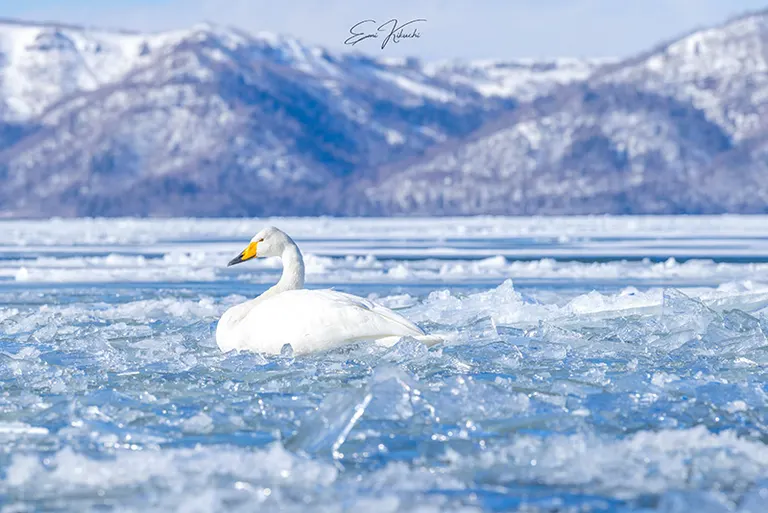
The Whooper Swan Parade in Naganuma Town
I happened to capture this shot of whooper swans parading from one field to another.
Posted by: kubokubo85
Municipality where photo was taken: Naganuma Town
A note from the Domingo editorial team
What an adorable shot of them waddling across the road in a line!
Whooper swans, which usually live in the coniferous forest belt of the Eurasian continent, are said to travel about 3,000 km to spend the winter here.
These migratory birds, which can be seen for a limited time from around November to March, give us a sense of the grandeur of the world.
Ban'ei Horse Racing in Obihiro City
Ban'ei horses can only be seen here, anywhere in the world.
I want many people to see these powerful Ban'ei horses, so different from thoroughbreds.
Posted by: dio_moon
Municipality where photo was taken: Obihiro City
A note from the Domingo editorial team
"Ban'ei racing" is a competition where powerful draft horses pull heavy sleds, competing in speed and strength.
This photo captures a thrilling moment of the race!
Ban'ei horses are characterized by their large bodies and thick, sturdy necks and legs. Their weight is said to be about twice that of a thoroughbred...!
I'd love to experience the power of Ban'ei racing for myself one day!
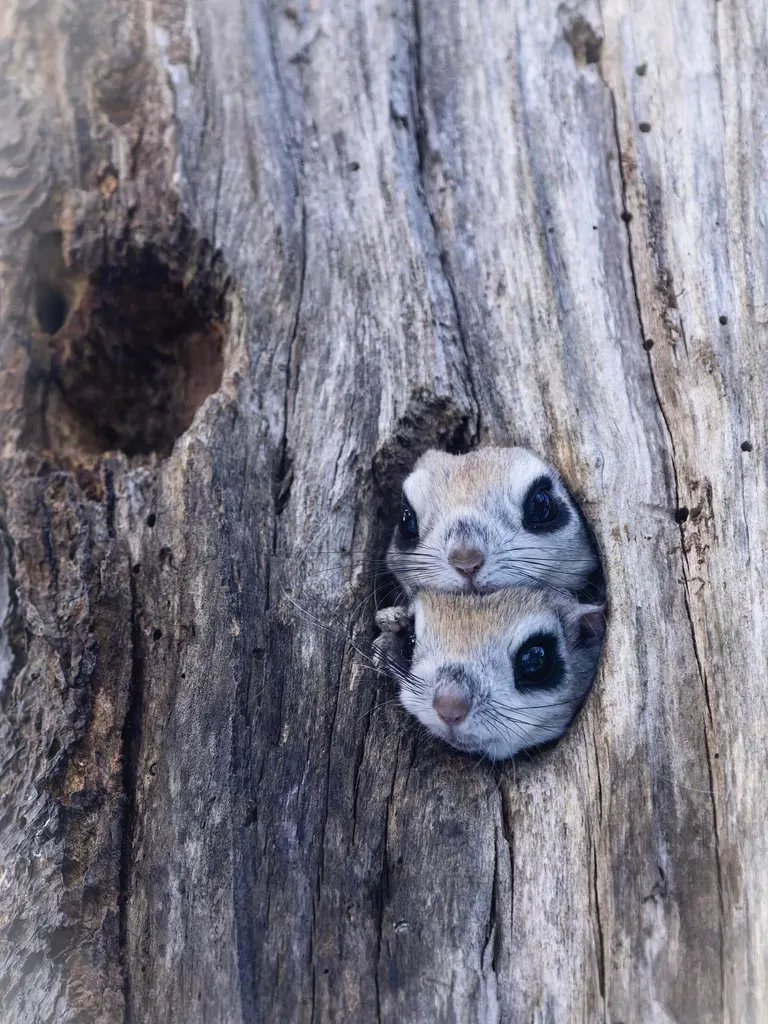
Two Ezo Momongas in Abashiri City
Could this be an Ezo momonga parent and child!?
It's as if the mother momonga below is saying,
"Isn't my baby the cutest?"
Posted by: toshikazu_hashimoto
Municipality where photo was taken: Abashiri City
A note from the Domingo editorial team
What a heartwarming photo of two of them peeking out of a hole in a tree with their big eyes!
Ezo momongas (Siberian flying squirrels) don't hibernate, but they spend the winter huddled together in these holes, trying to be as inactive as possible.
I could stare at these chubby, cute Ezo momongas all day, a special sight of the season as they've eaten a lot to prepare for winter!
Hokkaido Mirai Note

Hokkaido Mirai Note is a project that collects photos of Hokkaido taken by everyone on Instagram and compiles them on a website as a single notebook to connect to the future.
Please post your favorite photos of Hokkaido on Instagram with the hashtag #hokkaidomirainote or #hmnote.