

ARTICLES
A Tour of Otaru's Retro Masterpieces: 9 Nostalgic and Historic Buildings Selected by Japan Traveler "Tabi to Craft"



- Otaru Station: A Station Building with a Retro Atmosphere
- Former Mitsui Bank Otaru Branch: A Must-See with Its Beautiful Ceiling
- Sakaimachi Street: A Tourist Hotspot Lined with Historic Buildings
- Former Itaya Residence / Tabist Kaihoro Otaru: Now Operating as a Hotel
- Glass Shops like □○ (Kakumaru)-do Otaru: Glass is One of Otaru's Specialties
- Otaru Denuki Koji: Overlooking the Otaru Canal
- Otaru Canal: A Tourist Attraction That Was Once on the Brink of Disappearing
- UNWIND HOTEL & BAR Otaru: A Must-See with Its Elegant Staircase
- Held Every Summer: The Scenery of "Wagasa-dori" (Japanese Umbrella Street)
- Commentary and Guide: The Sentiments of "Tabi to Craft" for Otaru
Commentary and Guide: "Tabi to Craft"
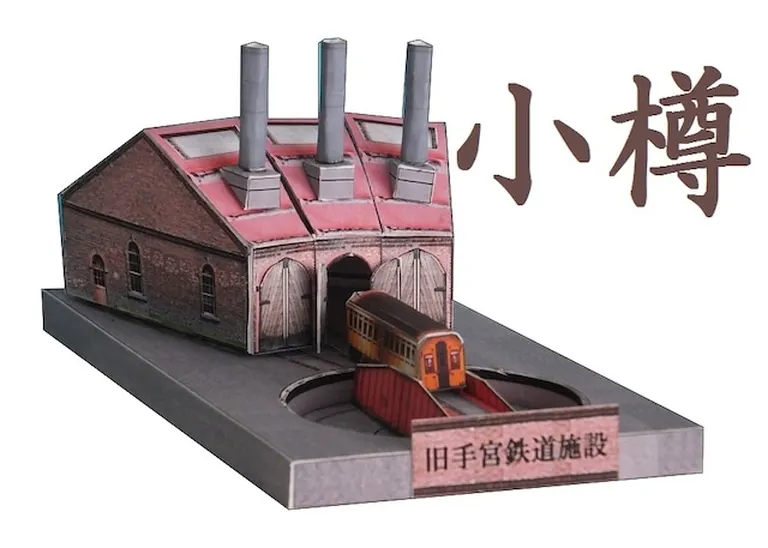
I create and sell original papercrafts that replicate the evocative cityscapes and scenery of Japan. Since my work is based on materials (photographs) I gather on-site, I travel all over Japan for research. Through this process, I share the charm of various regions in Japan, primarily through the history of their architecture.
1. Otaru Station
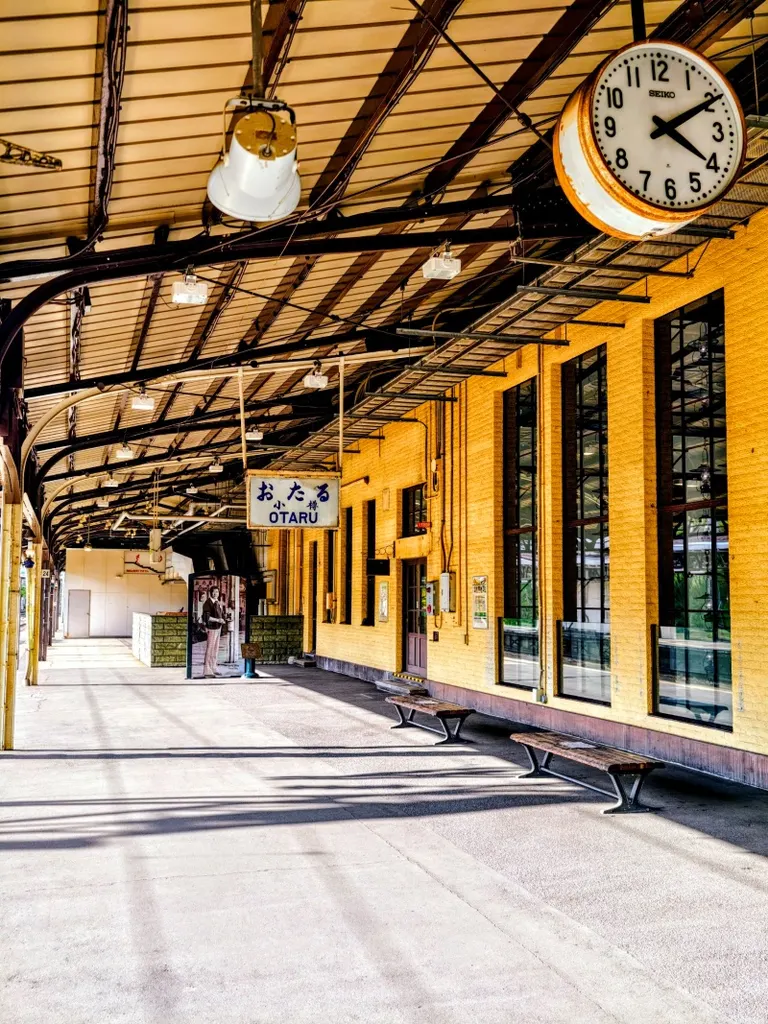
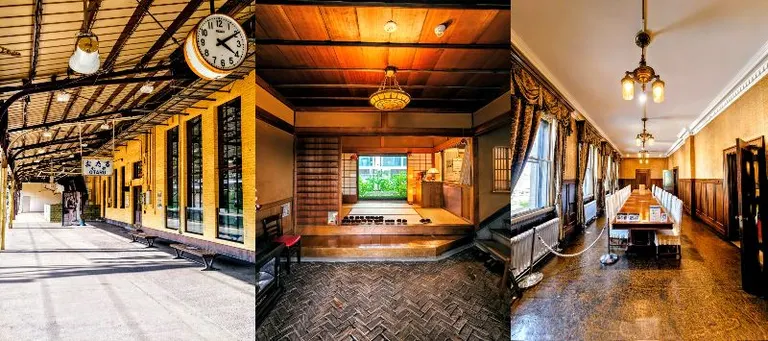
The evocative atmosphere of Otaru Station. A retro feeling greets you the moment you step off the train. The Otaru station building has a similar feel to Ueno Station, as they were constructed around the same time. The current Otaru station building was built in 1934. It was the first modern, concrete station in Hokkaido. This is the third-generation station building.
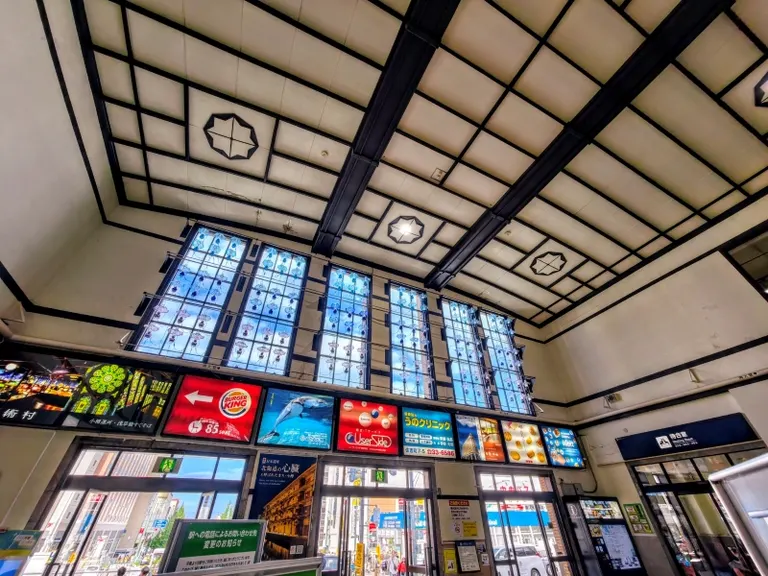
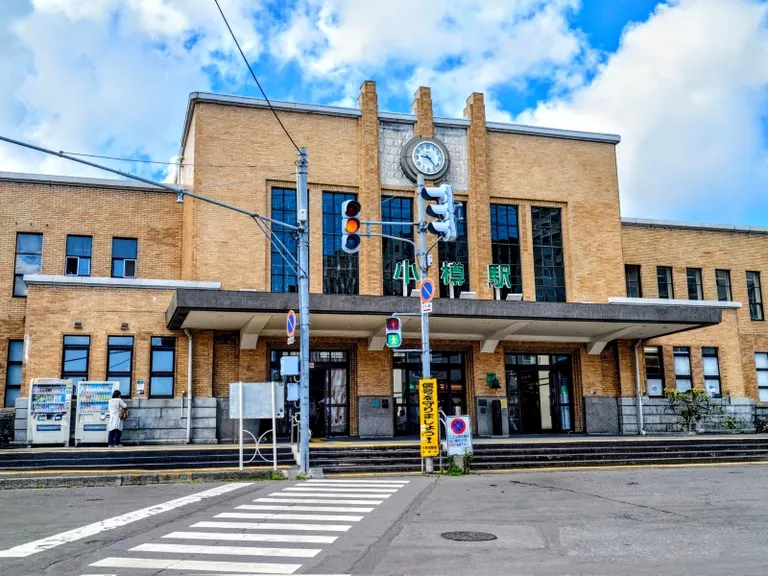
 JR Otaru Station
■Location: 2-22-15 Inaho, Otaru-shi
Click here for details and map of "JR Otaru Station"
2. Former Mitsui Bank Otaru Branch
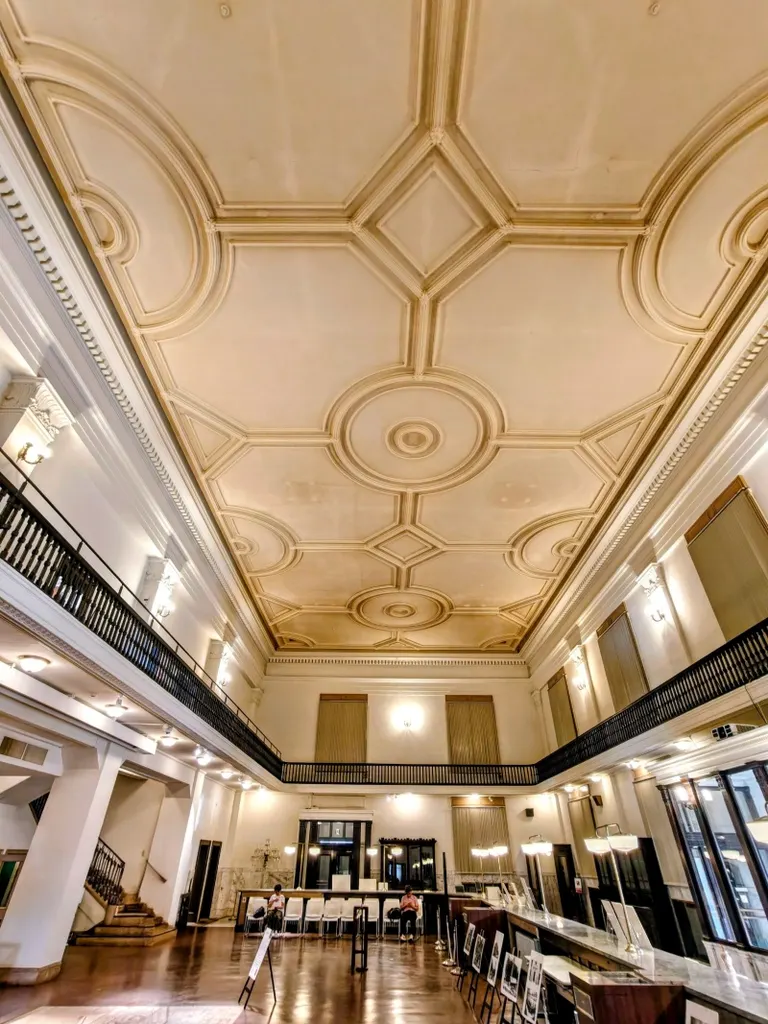
This is the Former Mitsui Bank Otaru Branch, a masterpiece of architecture in Otaru, Hokkaido. The most breathtaking feature is the beautiful ceiling with its plaster-decorated patterns, surrounding a galleried atrium. An art performance using projection mapping is held here, which is definitely a must-see.
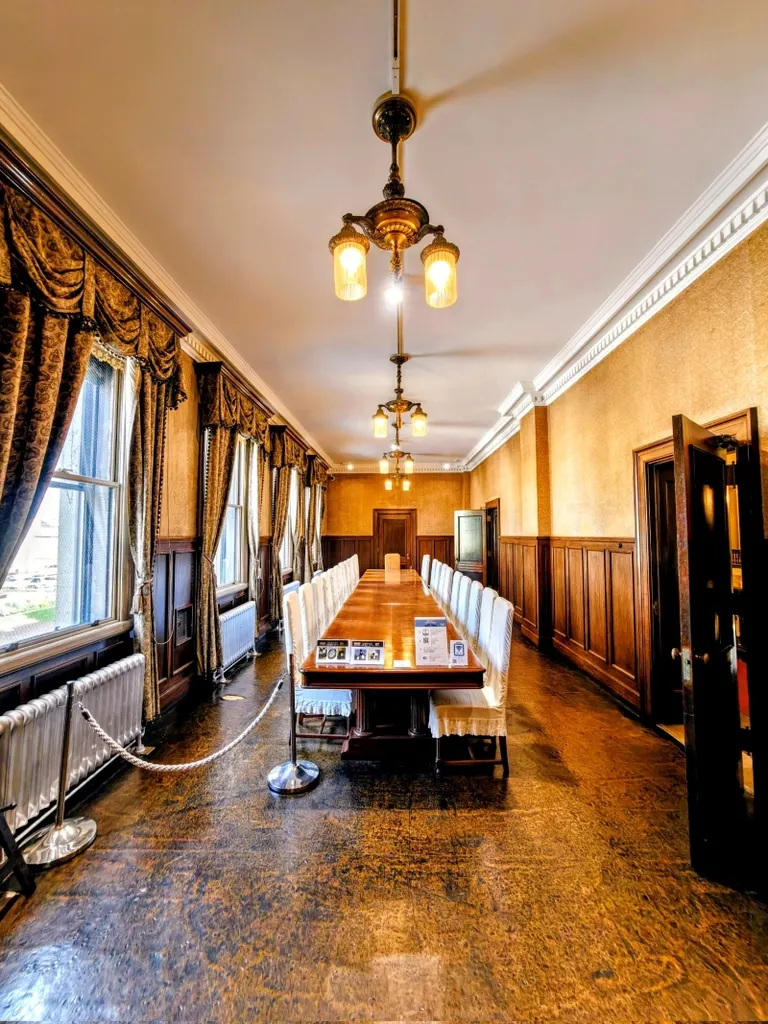
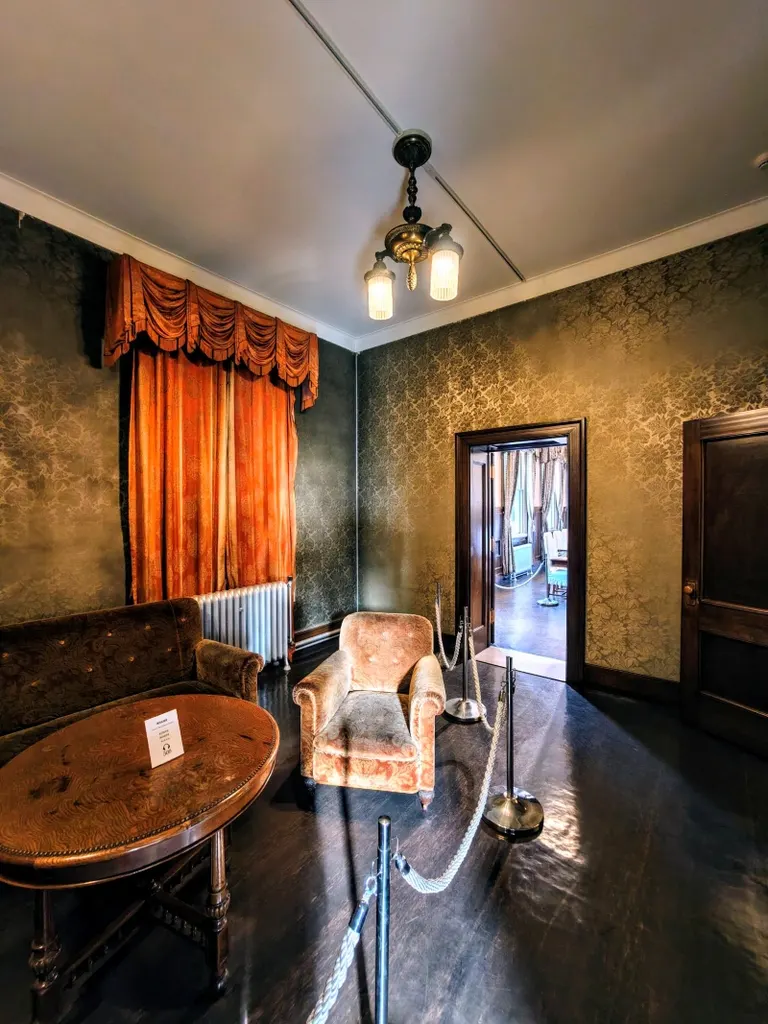
It was built in 1927, designed by the Sone Chujo Architectural Office. It is one of the buildings that conveys the pre-war appearance of Otaru, which prospered from herring fishing and was even called the "Wall Street of the North."
Otaru Art Base (Former Mitsui Bank Otaru Branch)
■Location: 1-3-10 Ironai, Otaru-shi
■Admission: General 500 JPY / University Students 400 JPY / High School Students 300 JPY / Elementary & Junior High School Students 200 JPY
Click here for details and map of "Otaru Art Base"
3. Sakaimachi Street
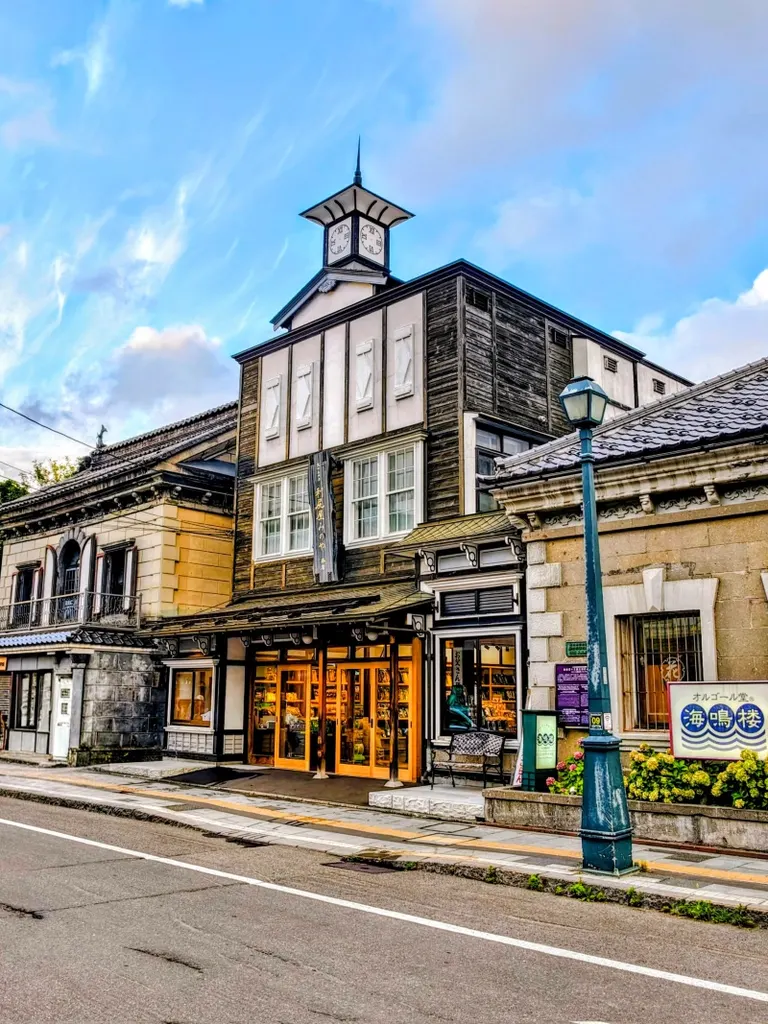
As you walk along Sakaimachi Street, a famous tourist spot in Otaru, the first thing that catches your eye is the retro lineup of "Otaru Music Box Museum Sakaimachi Store (Former Iwanaga Clock Shop)," "Rishiriya Minoya (Furoukan)," and "Kaimeiro (Former 113th National Bank)."
With the "Iwanaga Clock Shop" on the right and the "Former 113th National Bank" on the left, both designated historic buildings by Otaru City, the "Furoukan" was designed with its facade set back one step to harmonize with the streetscape.
Otaru Sakaimachi Street Shopping District Tourist Information Center
■Location: 6-11 Sakaimachi, Otaru-shi
Click here for details and map of "Otaru Sakaimachi Street Shopping District Tourist Information Center"
4. Former Itaya Residence / Tabist Kaihoro Otaru
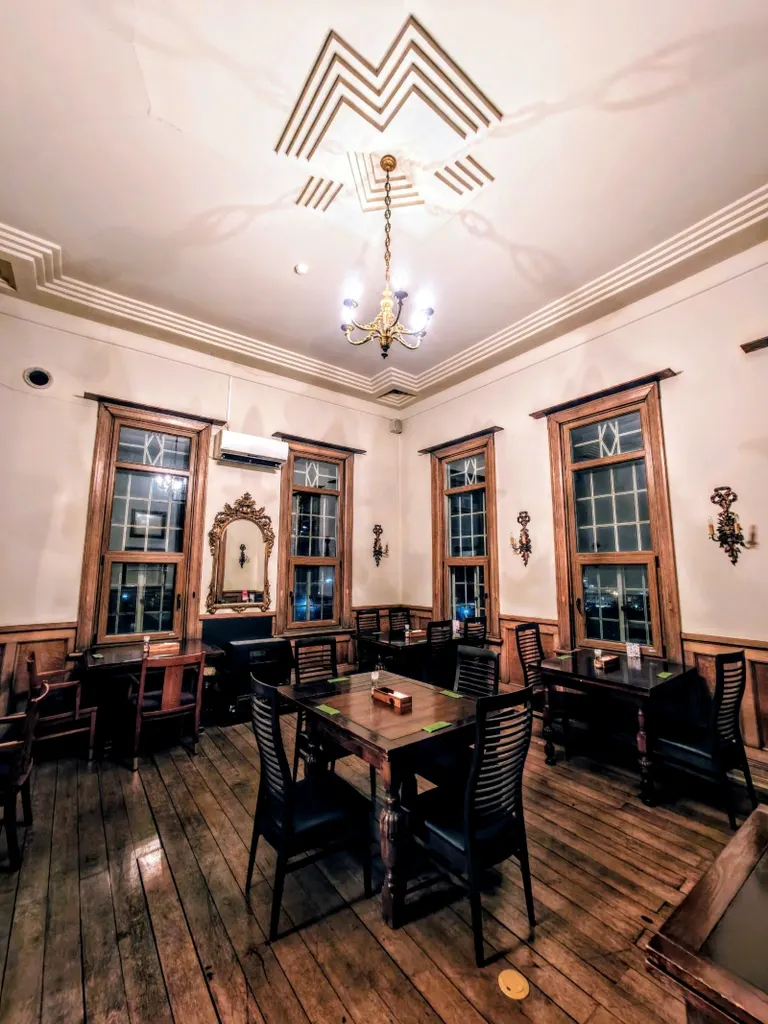
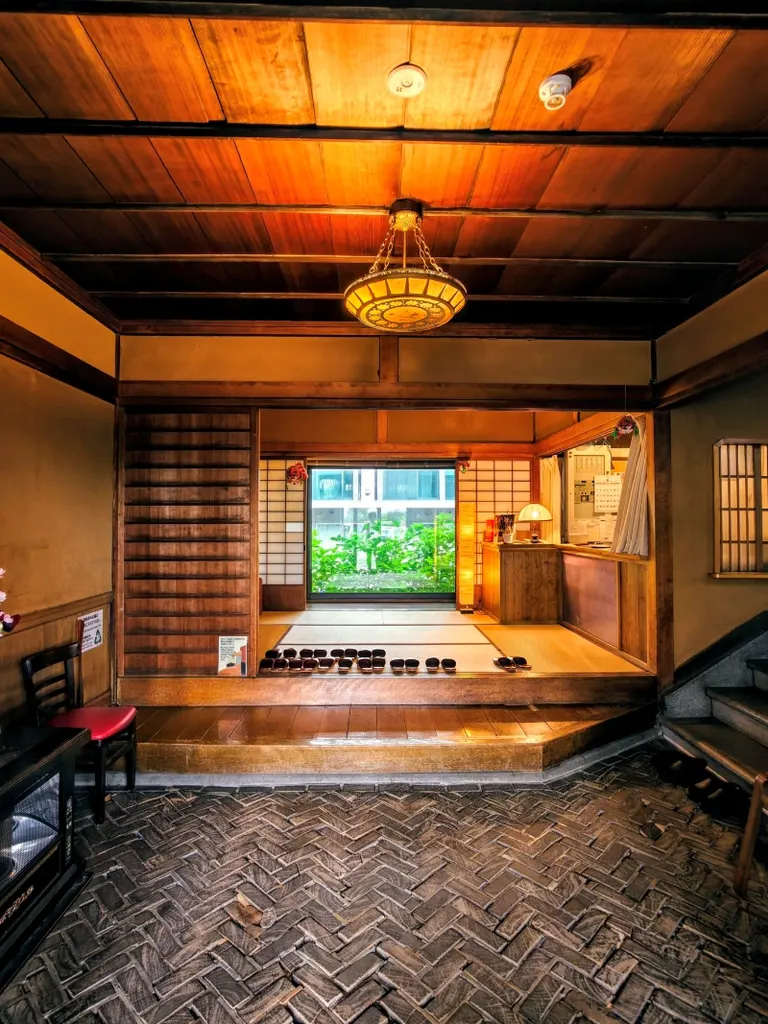
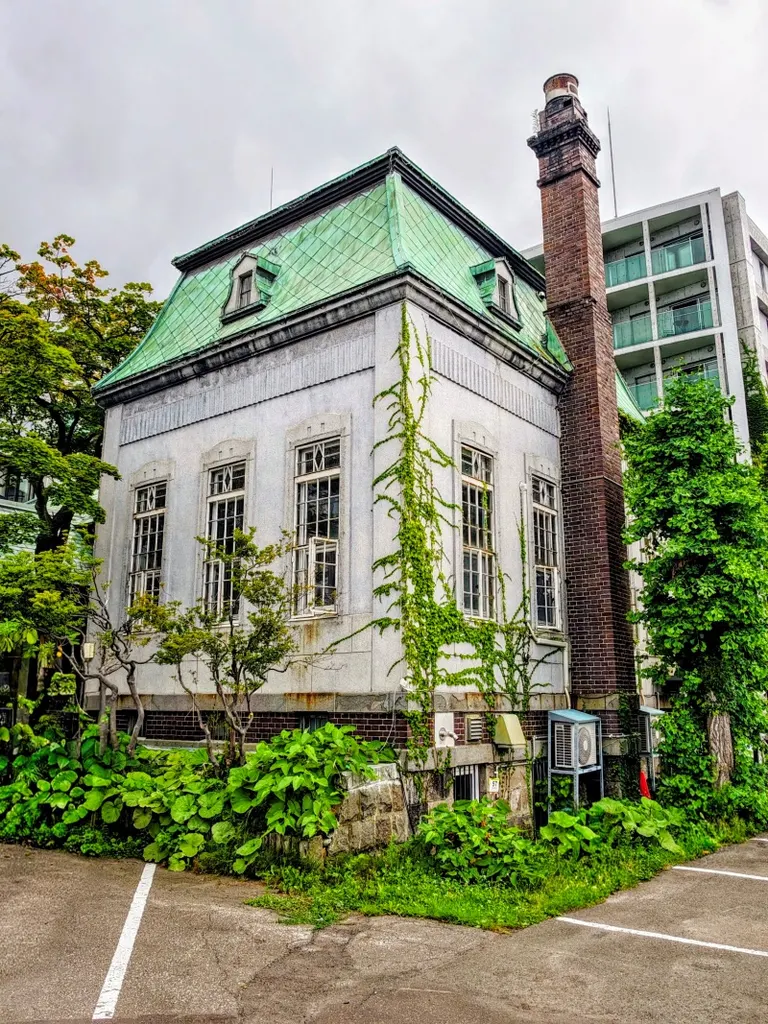
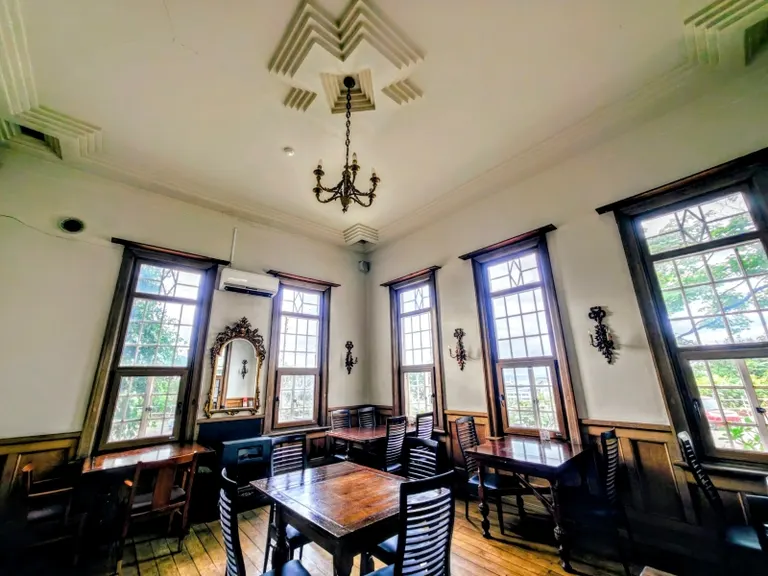
Just up the hill from Sakaimachi Street in Otaru, the Former Itaya Residence stands on a hill overlooking the bay. A Western-style building is connected to a Japanese-style one, creating a wonderful space. It has now become a hotel called "Tabist Kaihoro Otaru." The Former Itaya Residence part is used as the entrance and dining room. The residence was built in 1927 as the home of Miyakichi Itaya, who made his fortune in the shipping industry and was also active as a member of the House of Peers and the mayor of Otaru.
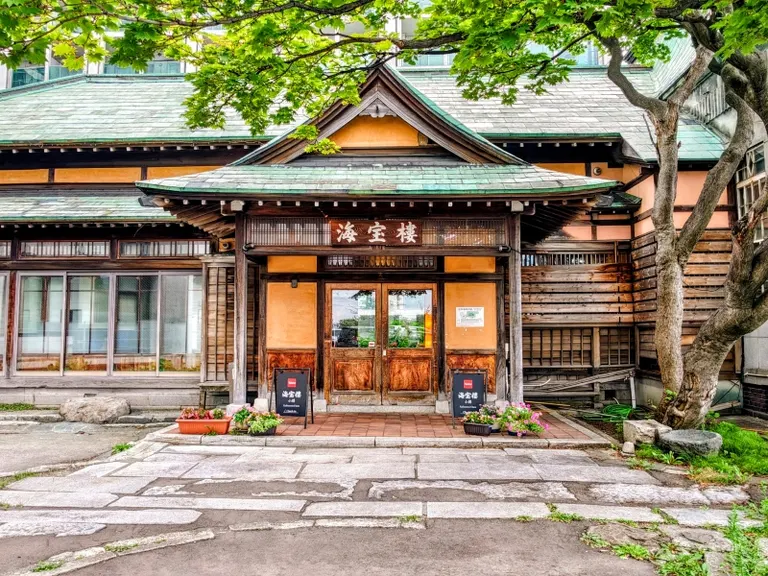
Tabist Kaihoro Otaru (Former Itaya Residence)
■Location: 1-19 Shinonome-cho, Otaru-shi, Hokkaido
Click here for details and map of "Tabist Kaihoro Otaru (Former Itaya Residence)"
5. Glass Shops like "□○ (Kakumaru)-do Otaru"
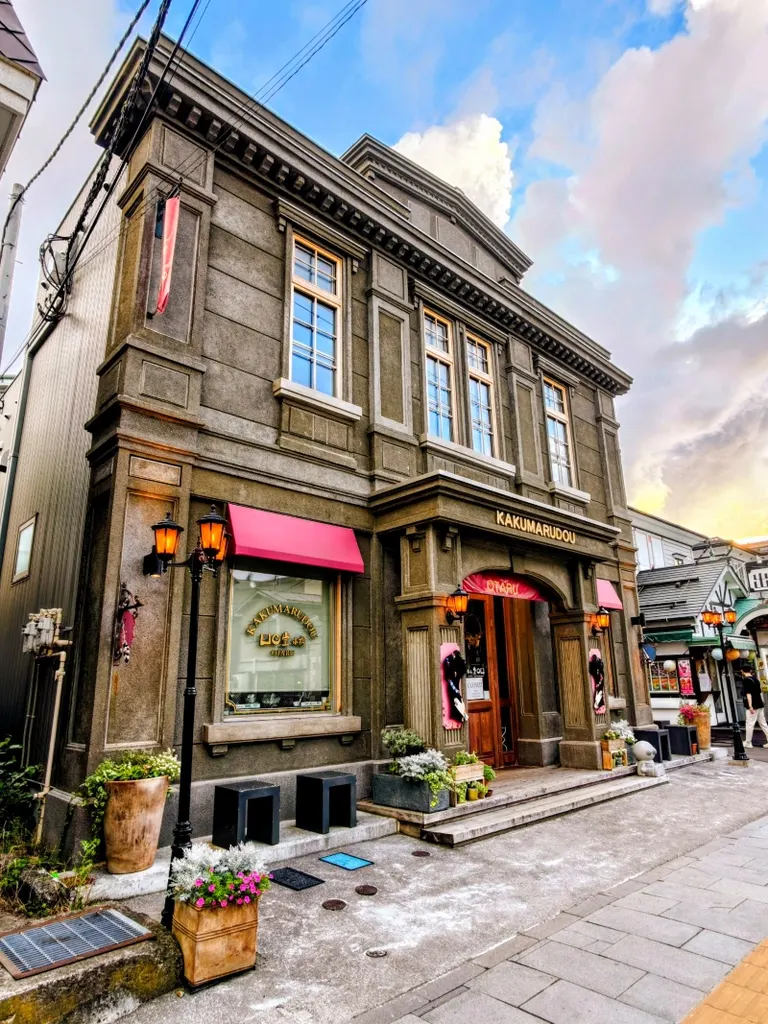
There are many glass shops in Otaru. The photo above shows a stately building reminiscent of a Taisho-era bank, but it is the store of "□○ (Kakumaru)-do Otaru," a newly built retro-style building.
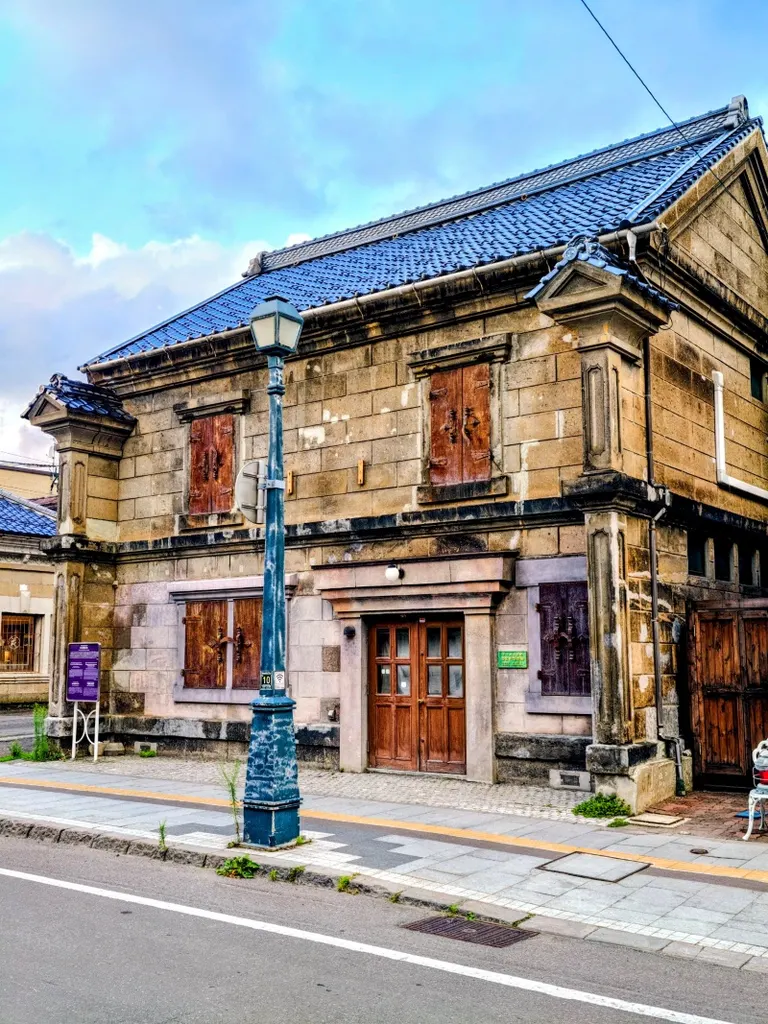
This photo shows the former Hokkai Zakkoku Co., Ltd. building, built around 1907. It is a Japanese-Western eclectic building with a wooden frame, soft stone exterior, and an impressive udatsu (a small pillar on the roof). This building also housed a glass craft shop until recently, but it seems to have closed down.
□○ (Kakumaru)-do Otaru
■Location: 2-14 Sakaimachi, Otaru-shi
Click here for details and map of "□○ (Kakumaru)-do Otaru"
6. Otaru Denuki Koji
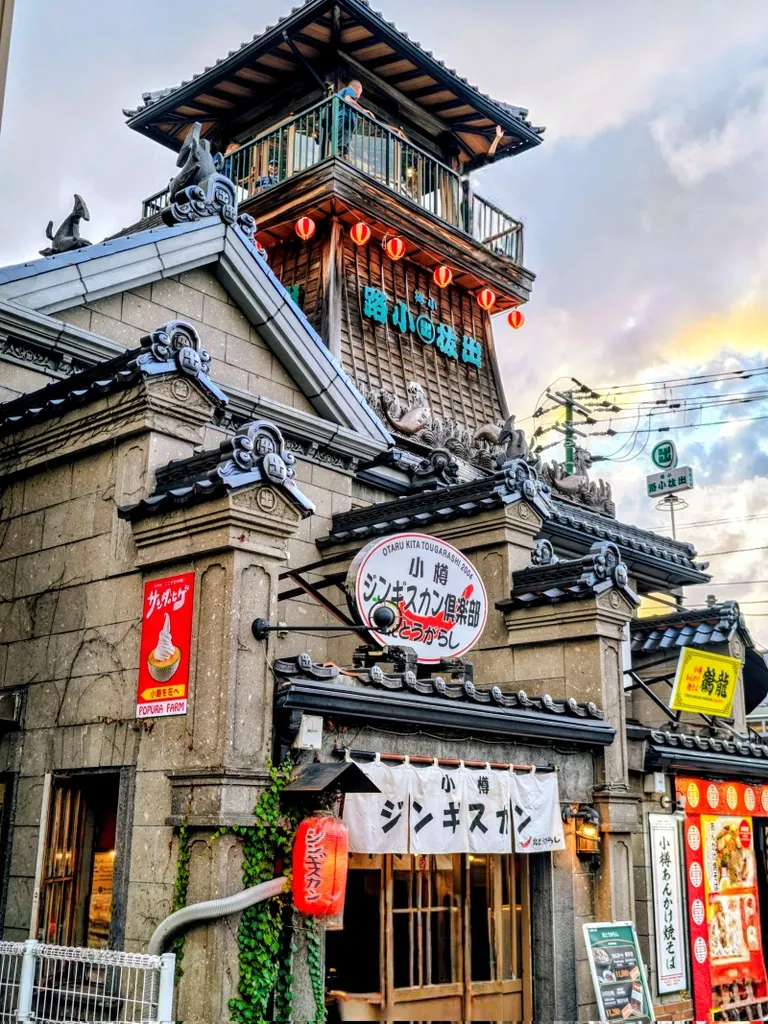
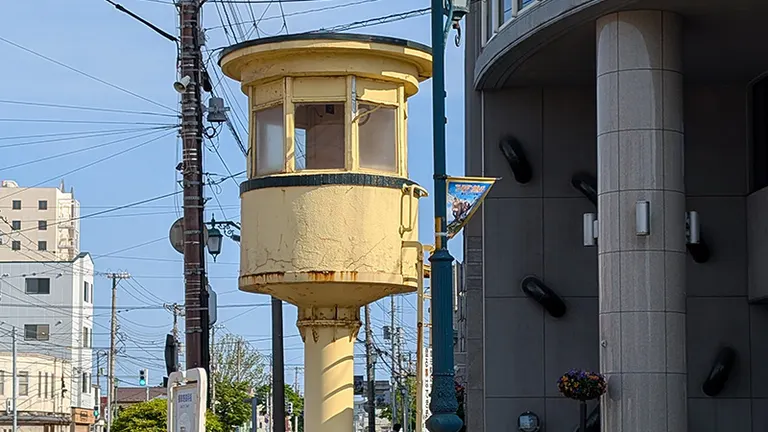
This is Otaru Denuki Koji, a unique building complex in Otaru. The fire watchtower is a striking feature, and from the observation deck on top of this tower, you can get a panoramic view of the Otaru Canal. It has a retro atmosphere that recreates the good old townscape of the Meiji and Taisho eras when the Otaru Canal once flourished, and it is a food theme park with about 20 restaurants.
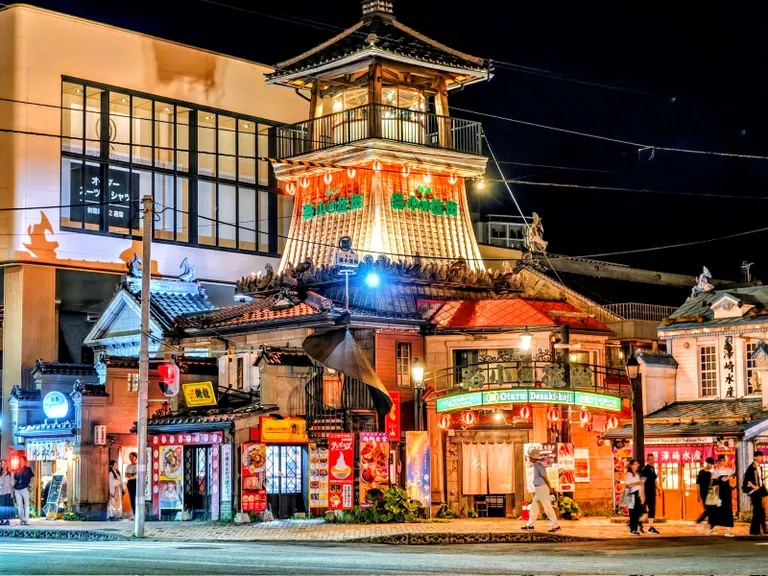
Otaru Denuki Koji
■Location: 1-1 Ironai, Otaru-shi
Click here for details and map of "Otaru Denuki Koji"
7. Otaru Canal
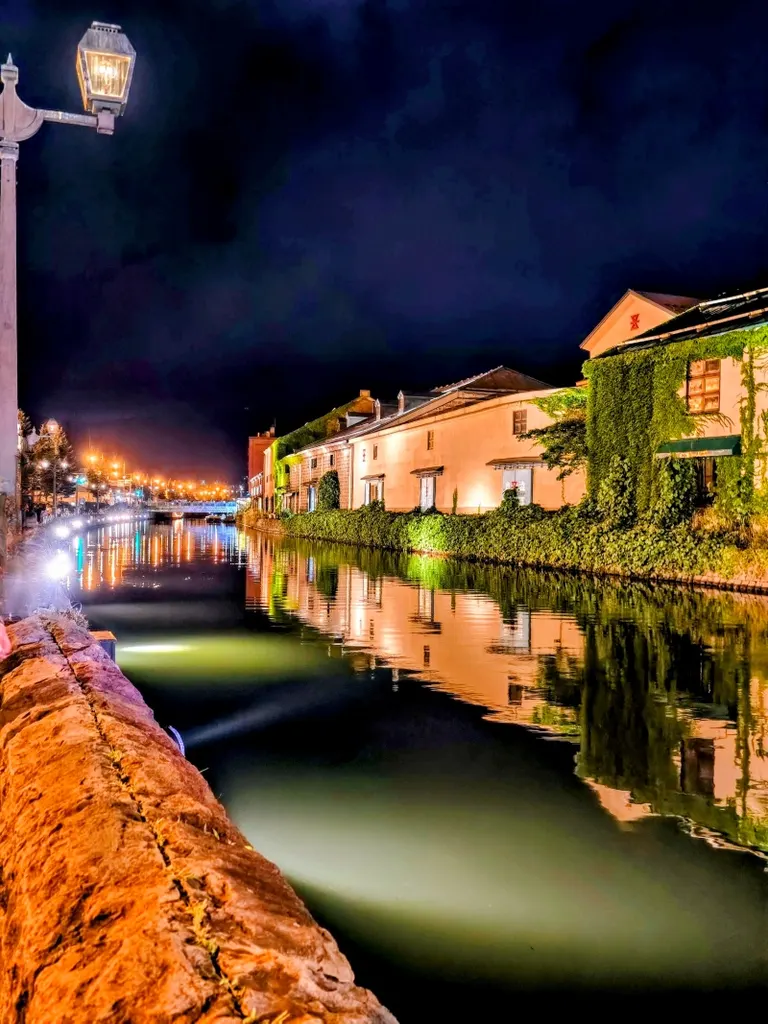
The beautiful night view of the Otaru Canal. It's hard to believe that the canal, now an indispensable tourist attraction in Otaru, was once on the verge of being lost. Moreover, its current form is not its original one; the width of the canal has been reduced to nearly half. Today, it's a familiar sight, and we may not fully appreciate its benefits, but the ability for ships to dock directly at the port for loading and unloading, made possible by port development, was a dramatic change for maritime transport. This change was so significant that it rendered the canal itself obsolete.
In the era before direct docking was possible, cargo from ships anchored offshore was loaded onto small flat-bottomed boats called 'hashike' (lighters), which were then moored in the canal for unloading. This was a labor-intensive process, and the canal was more suitable than the open sea for carrying it out stably. Therefore, the canal was an essential artery for the port city of Otaru.
As times changed and the port was modernized, the canal fell into disuse. Eventually, sludge accumulated, and it even began to emit a foul odor. This led to a proposal to fill in the canal and turn it into a road, bringing the canal to the brink of extinction. In the face of this crisis, its cultural value as a scenic spot finally began to be recognized, and a preservation movement gained momentum. As a result, the Otaru Canal was preserved in its current form.
Otaru Canal
■Location: 5 Minatomachi, Otaru-shi
Click here for details and map of "Otaru Canal"
8. UNWIND HOTEL & BAR Otaru
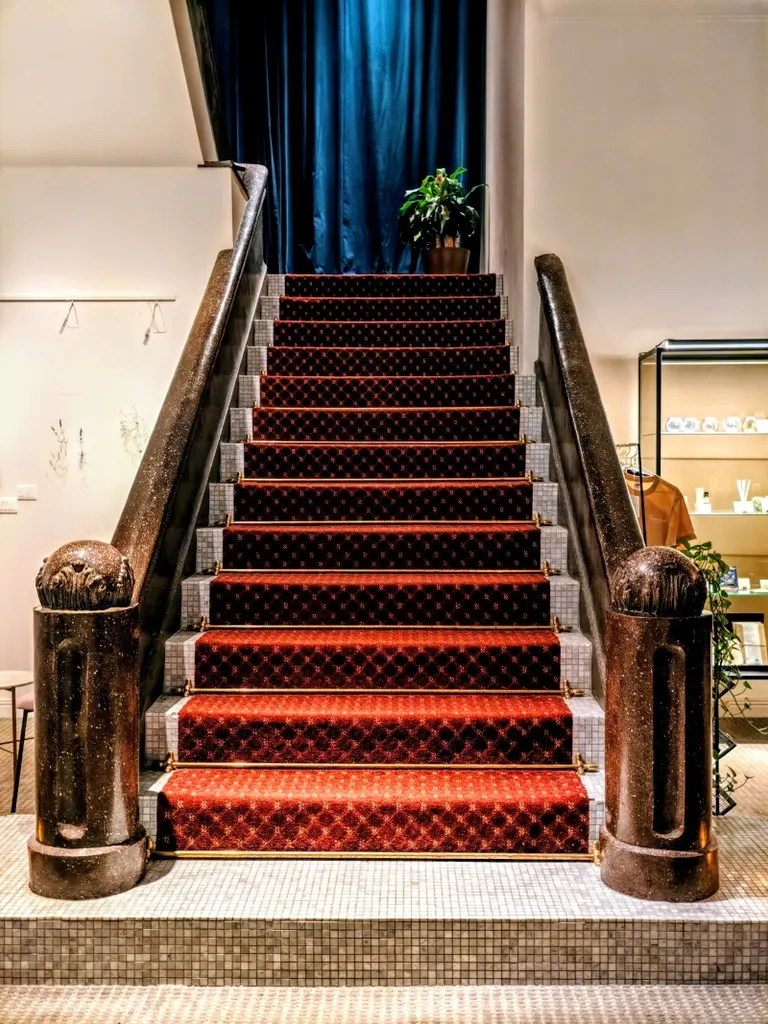
This is the elegant staircase at "UNWIND HOTEL & BAR Otaru" in Otaru, Hokkaido. This hotel is a renovation of a historic building constructed in 1931 as the "Former Ecchuya Hotel," Hokkaido's first hotel exclusively for foreigners. It has a history of being used by the army as an "Officers' Club" during the war and was requisitioned by the GHQ after the war.
UNWIND HOTEL & BAR Otaru
■Location: 1-8-25 Ironai, Otaru-shi
Click here for details and map of "UNWIND HOTEL & BAR Otaru"
9. The Scenery of "Wagasa-dori" (Japanese Umbrella Street)
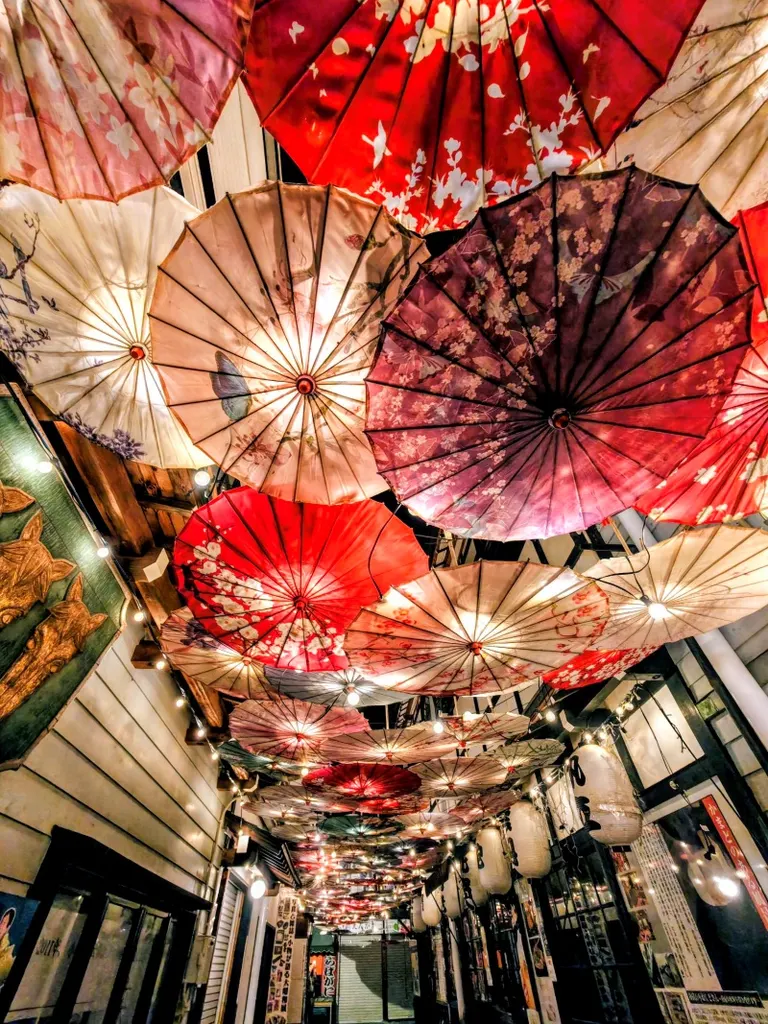
This is the scene of "Wagasa-dori" (Japanese Umbrella Street), an annual event held at Shussemae Square in the Otaru Sakaimachi Street Shopping District. Colorful Japanese umbrellas decorate the retro alley, and at night, they are lit up to create a magical space. It is held for a limited time during the summer (around July to August) each year, and this photo is from last summer.
 Wagasa-dori @ Otaru Shussemae Square (*Information for the 2025 event)
■Dates: July 1 (Tue) - September 7 (Sun), 2025
*Light-up: 18:00 (sunset) - 21:00
■Venue: Otaru Sakaimachi Street Shopping District Shussemae Square (2-12 Sakaimachi, Otaru-shi)
Click here for details and map of "Wagasa-dori @ Otaru Shussemae Square (2025 event)"
Guide and Commentary: The Sentiments of "Tabi to Craft" for Otaru
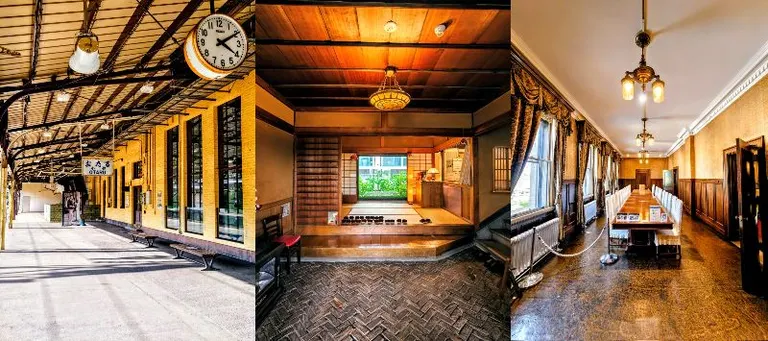
Finally, we asked "Tabi to Craft," who introduced us to numerous architectural masterpieces in Otaru, about the charm of the city.
Otaru is a wonderful city where historical traces remain vividly throughout the town. As you visit tourist spots and architectural masterpieces, try tracing the history of Otaru, which developed through herring fishing.
Using retro buildings as a starting point to reflect on Otaru's history and culture—that's a unique pleasure this city offers. Why not use this article as a reference and set out to find your own "Otaru story"?
Interview Cooperation & Photo Provision: Tabi to Craft
・X (formerly Twitter): @AMFFCRAFTWORK
・Instagram: @travel_craft
- 1
- 2