

![Mount Racey Reopening This Year! Discover Yubari, a City of Beautiful Scenery Where Nature Meets Man-Made Wonders [Yubari City × Domingo]|Domingo](https://p1-634a4370.imageflux.jp/w=768,f=webp:auto,q=78/https%3A%2F%2Fdomingo.ne.jp%2Fwp%2Fwp-content%2Fuploads%2F2021%2F12%2Fe0073d78460a64a44339e515b46126f4.jpg)
ARTICLES
Mount Racey Reopening This Year! Discover Yubari, a City of Beautiful Scenery Where Nature Meets Man-Made Wonders [Yubari City × Domingo]



Yubari City is located almost in the center of Hokkaido, with an area of 763 km², large enough to fit all 23 wards of Tokyo.
Here, you can enjoy rich natural landscapes like Mount Yubari and the autumn colors of Takinoe Park. At the same time, the city offers unique and fascinating scenery created by man-made structures such as the Yubari Shuparo Dam and the former Hokutan Yubari Coal Mine Tenryu Pit.
Let's explore the vast city of Yubari from various angles! Some spots are closed during the winter, so be sure to check their operating hours before you visit.
Table of Contents
1. Engage Your Senses! Experiences in Yubari
2. Enjoy the Scenery! Yubari's Majestic Nature
3. Savor the Flavors! Delicious Food in Yubari
4. Learn About Coal Mining! The History That Built Yubari
Engage Your Senses! Experiences in Yubari
Yubari City has spots where you can get active and have fun using all five senses. Some events are limited to certain seasons or days of the week, so be sure to check opening hours and other details before you go.
Mount Racey Ski Resort
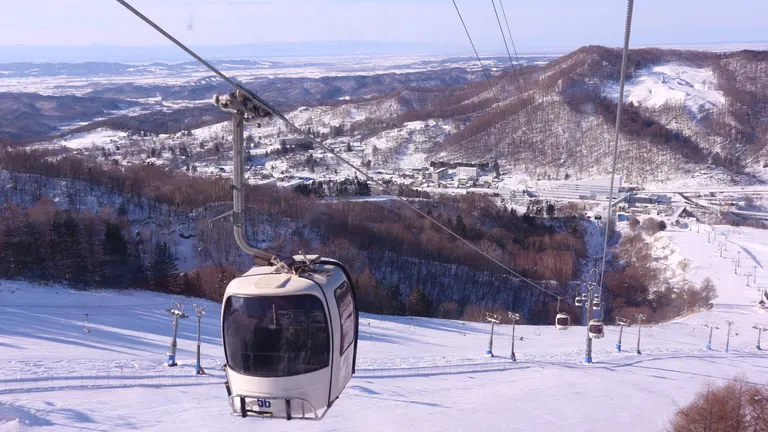
Photo courtesy of Yubari City
Open from December to April, this ski resort is attractive for its high-quality powder snow and easy access. It's the closest winter resort to New Chitose Airport, boasting a longest run of 3,500m and a maximum slope of 45°. You can experience premium powder snow on a variety of courses suitable for everyone from beginners to advanced skiers. The resort was closed last season but is scheduled to open on December 18th this season.
Shimizusawa Town Walk

Photo courtesy of Yubari City
You can enjoy the "Shimizusawa Town Walk," held on the fourth Saturday of every month. This project takes you on a tour of the Hokutan historical heritage route, visiting sites like the coal miners' row houses, climbing a spoil tip mountain, and seeing the former Shimizusawa Thermal Power Plant.
Mount Yubari Hiking
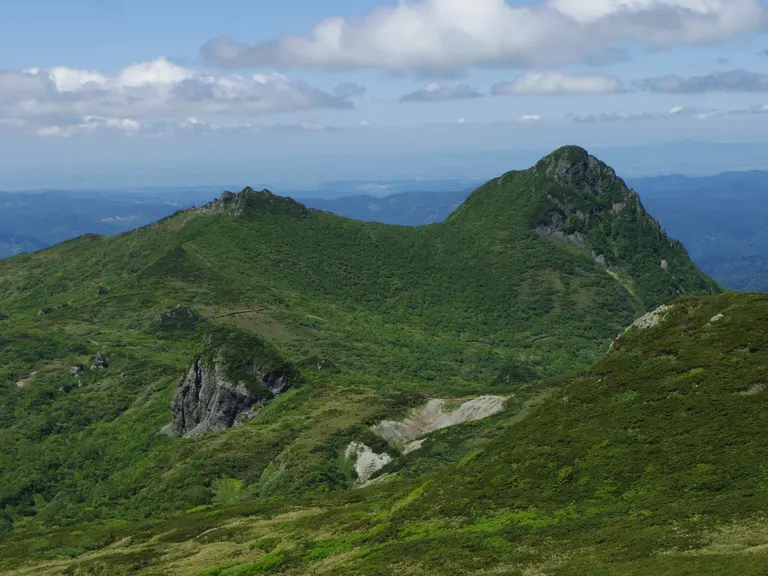
Photo courtesy of Yubari City
Counted among Japan's 200 Famous Mountains, Mount Yubari is also known as a mountain of flowers, a treasure trove of 600 species of alpine plants. The climbing season is from June to August, and the round trip from the mountain hut to the summit takes about 7 hours.
Trekking on Mount Reisui is available from May to September. The trail is 6.7 km long, taking about 2 hours for a round trip. At an elevation of 702m with an elevation difference of 405m, the view from the top is spectacular.
*Mount Reisui is on private land, and its availability for public access in the future is unconfirmed.
Enjoy the Scenery! Yubari's Majestic Nature
The entire Yubari area is a hilly region nurtured by the rich forests and clear streams of the Yubari Mountains. The Yubari River, flowing from the 1,668m-high Mount Yubari, and its tributaries run through the center of the city, with the town formed in a strip along the river basin.
Another major attraction is the grand-scale man-made structures that exist only because of Yubari's history of prosperity from coal mining. Here are some spots where you can enjoy the overwhelming scenery created by majestic nature and magnificent artificial structures!
Takinoe Park
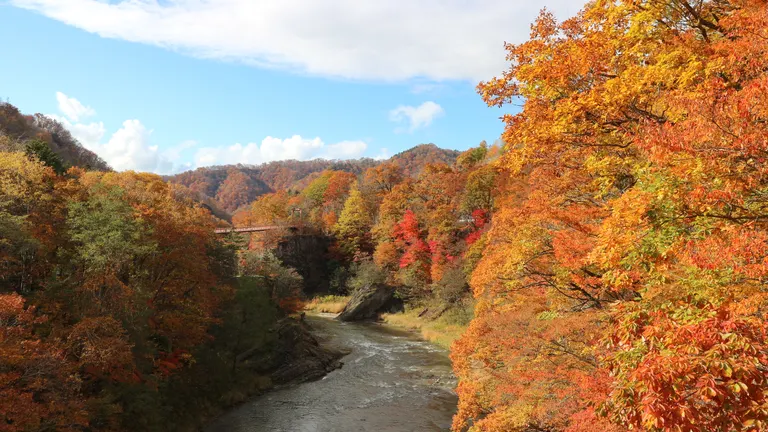
Photo courtesy of Yubari City
This valley, formed by the erosion of the Yubari River, features strangely shaped rocks and countless waterfalls of all sizes, creating a unique and beautiful landscape. The autumn foliage is a must-see.
The Takinoe Power Plant within the park was built in January 1925 by the Hokkaido Colliery and Steamship Company as a private power generation facility, a testament to the area's coal mining heritage. The old brick building has been recognized as a Heritage of Civil Engineering.
Lake Shuparo
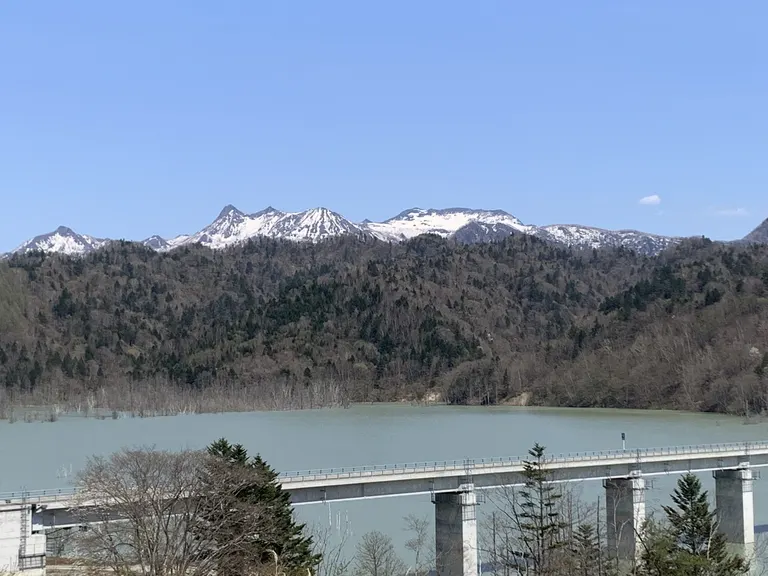
Photo courtesy of Yubari City
With Mount Yubari in the background, you can fully enjoy the majestic nature of Yubari. At the bottom of the lake lies the Kashima district, which once thrived with the Mitsubishi Oyubari Coal Mine (closed in 1973) and was home to up to 20,000 people. During dry seasons, the dead trees and arch bridge that emerge from the water's surface create a nostalgic scene, evoking a sense of its former prosperity.
Yubari Shuparo Dam
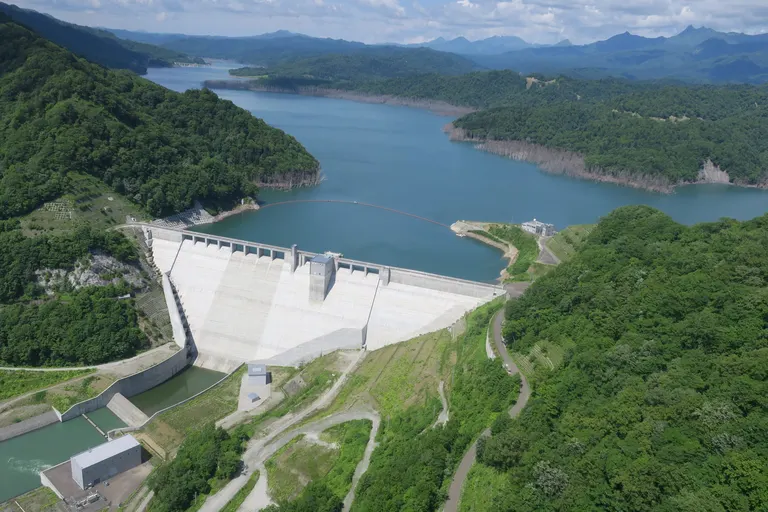
Photo courtesy of Yubari City
This is a gravity concrete dam located upstream of the Yubari River in the Ishikari River system. It is known as a multi-purpose dam of overwhelming scale, boasting the second-largest water surface area in Japan at 15.0 km² and the fourth-largest total water storage capacity at 427 million m³.
Savor the Flavors! Delicious Food in Yubari
When people think of Yubari City, the first thing that comes to mind is probably the "Yubari Melon." The Yubari Melon is a renowned local specialty, exceptional in taste, aroma, and appearance.
But Yubari has more to offer than just melons. Here are some delicious foods born from its rich natural environment and coal mining history.
Yubari Melon
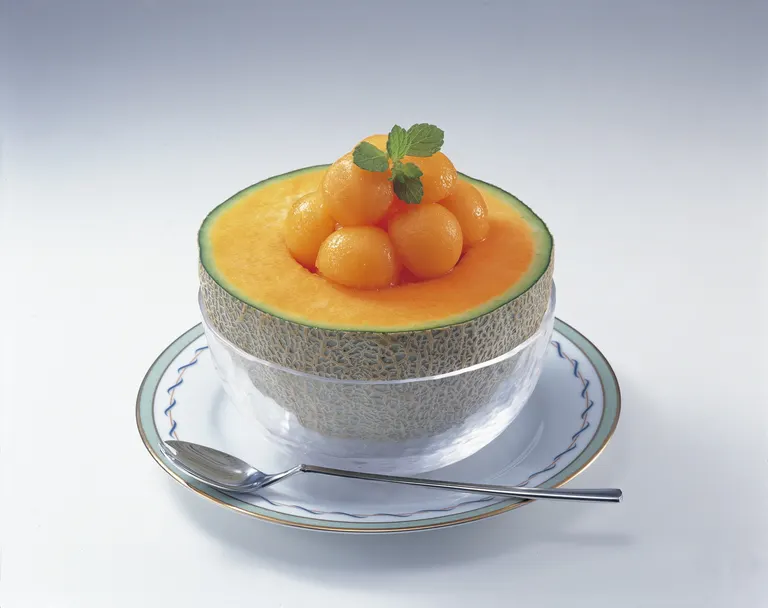
Photo courtesy of Yubari City
A specialty product of Yubari, grown in a climate with significant temperature differences. It is characterized by its beautiful netted skin, refreshing aroma, and elegant sweetness.
Curry Soba
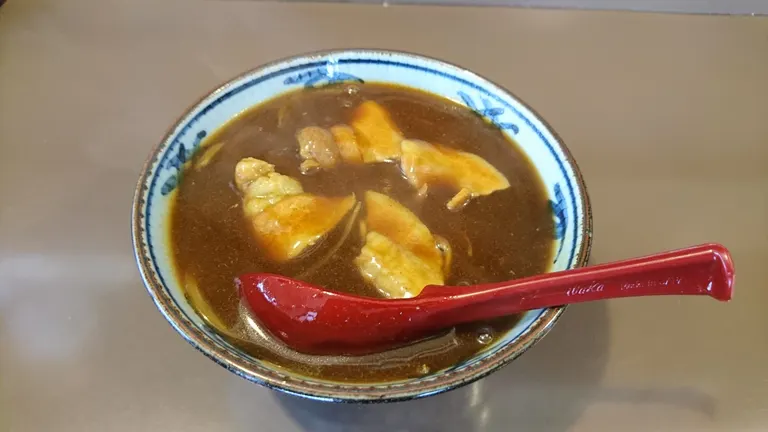
Photo courtesy of Yubari City
This is Yubari's soul food, loved and passed down by the coal miners who endured harsh labor. (Available at Sobadokoro Yoshinoya, Maple Town, Kurishita Shokudo, Baron)
Snacks
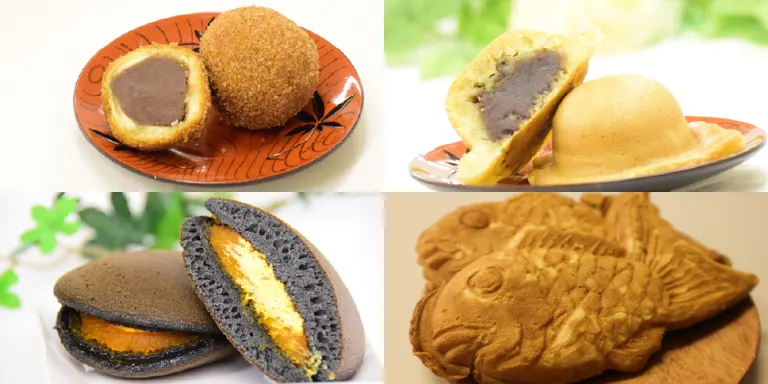
Photo courtesy of Yubari City
Yubari has long-loved local treats, including Cinnamon Donuts (from Usagiya), bite-sized donuts filled with plenty of smooth red bean paste; Panju (from Oguraya Panju-ten), a manju bun that is baked like bread; Tandora (from Abe Kashiho), a dorayaki made with dough kneaded with bamboo charcoal to resemble coal; and Taiyaki (from Shimura Kashiho), a fish-shaped cake with a characteristically large head, served warm.
Learn About Coal Mining! The History That Built Yubari
The history of "Yubari, the coal mining town" began in 1888 (Meiji 21) with the discovery of a large coal outcrop upstream of the Shihorokabetsu River, a tributary of the Yubari River.
From then on, Yubari flourished as Hokkaido's premier coal capital, at one point becoming a major city with 24 large and small coal mines and a population of about 120,000. Due to the energy revolution of the 1960s, the mines closed one after another.
However, the legacy of the northern industrial revolution—centered on "coal," "steel," and "ports," all connected by "railways"—which greatly contributed to Hokkaido's development, still remains today as an overwhelming and authentic industrial landscape.
The coal mining heritage of Sorachi, the factory landscapes of Muroran, the port facilities of Otaru, and the railway facilities in various locations, all remnants of that era's prosperity, were designated as a Japan Heritage site in 2019 under the name "Tantetsuko."
Here are some spots where you can learn about the history and life of the coal mines, which came to an end in 1990 (Heisei 2).
Yubari City Coal Museum
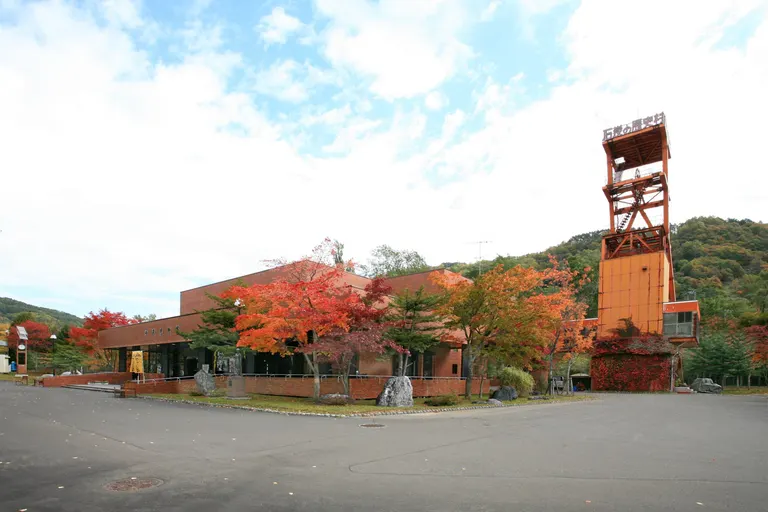
Photo courtesy of Yubari City
In addition to exhibits where you can learn about the history of Yubari and its connection to the coal industry, you can also see actual operating coal mining machinery. This museum deepens your understanding of coal mining.
Former Hokutan Shimizusawa Thermal Power Plant
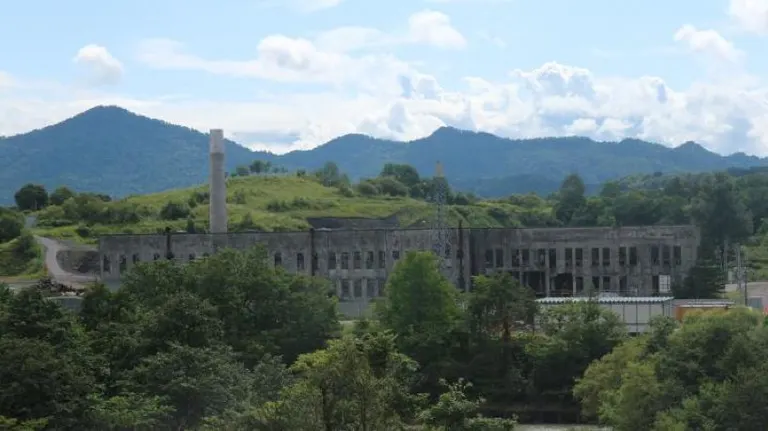
Photo courtesy of Yubari City
This private power plant was in use until 1991. Part of the equipment remains and is available for viewing. Tours require a reservation in advance. You can see the full exterior of the plant from the Shimizusawa Dam located in front of it.
Former Hokutan Yubari Coal Mine Tenryu Pit
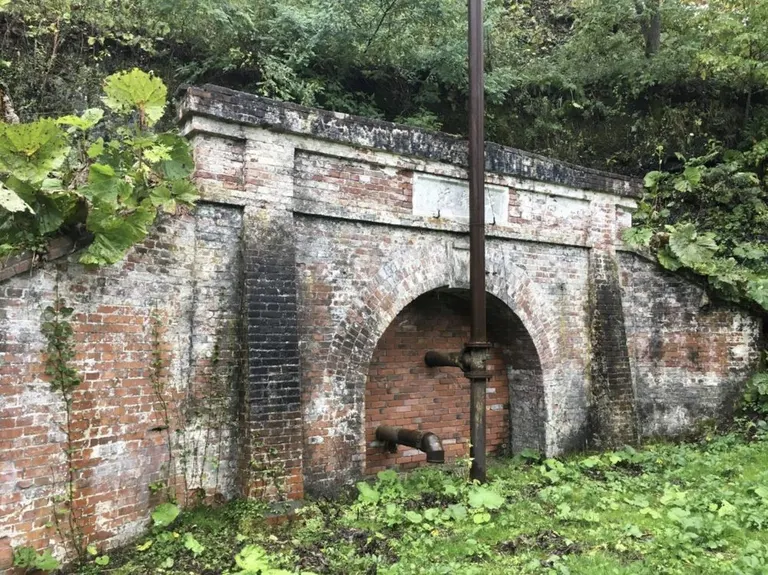
Photo courtesy of Yubari City
Opened in 1900. It is distinctive for having both the intake and exhaust mine entrances remaining as a pair, and for its beautifully decorated red brick portals. It is also recognized as a constituent cultural property of the Japan Heritage "Tantetsuko."
Yubari City is a town that can be enjoyed in many different ways!
With the coming of winter, you'll see a pure white snowscape. Spring brings cherry blossoms, summer offers vibrant greens and flowers, and autumn boasts beautiful foliage. Each season has its own unique highlights, so please visit Yubari during the season that interests you most.