

ARTICLES
Why a Hostel in a Hokkaido Town with a 46% Elderly Population is Thriving with Young People and Foreigners



In the last 30 years, the town of Shiraoi in Hokkaido has seen its population decrease by about 6,000 people. On top of that, nearly half of its population is aged 65 or older. In this town facing depopulation, there is a unique accommodation that attracts young people and foreigners: a hostel and cafe bar called "haku."
"It's scary to take risks and try new things,"
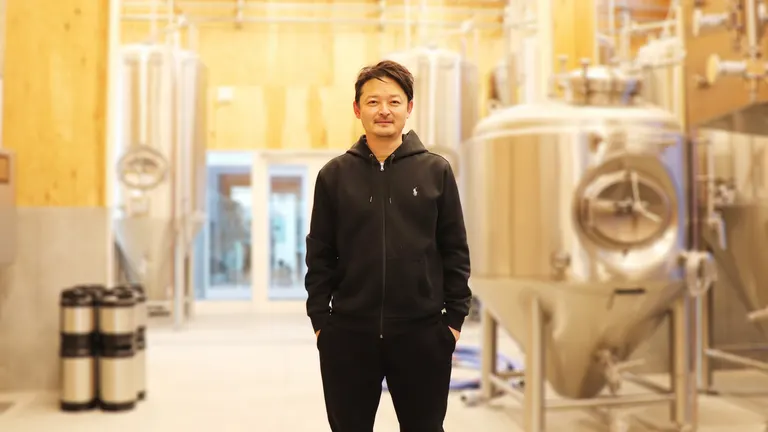
says owner Tatsunori Kikuchi. Originally a consultant in the U.S. and Tokyo, Mr. Kikuchi opened haku in Shiraoi in 2019.
Attracting a "New Type of Clientele"
In December, with the outside air a chilly -2°C, the cafe space at haku was half-full with lunch customers, even on a weekday. The lively conversations were mainly among couples and groups of friends who appeared to be in their 20s to 40s.
As the lunch crowd thinned, a foreign man and woman emerged from the hostel area at the back of the cafe, looking around. When Mr. Kikuchi spoke to them in fluent English, they replied happily. The sight of the three of them chatting in English felt out of place for a small town in Hokkaido.
According to Shiraoi's statistics, more than 20 new businesses opened in the town in the five years from 2015 to 2020. Chuo-dori, the street where haku is located, has many active shops and bustling car traffic.
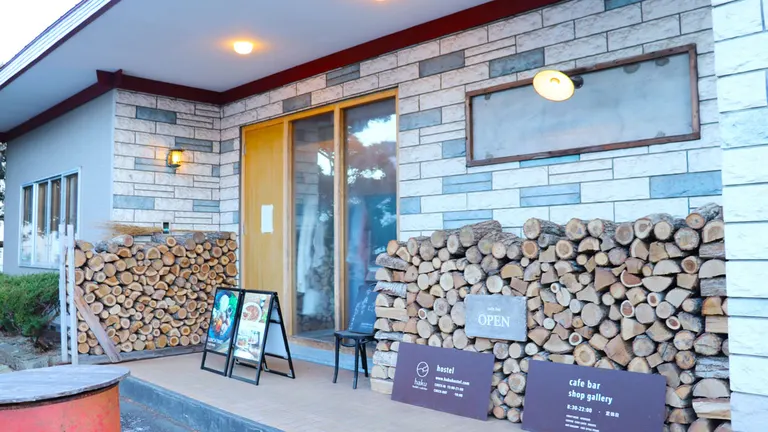
"It used to have a more deserted feel, with many shops shuttered," says Mr. Kikuchi. However, he adds that the increase in new businesses is not solely due to haku. The town of Shiraoi itself is now in the spotlight, partly thanks to the opening of "Upopoy (National Ainu Museum and Park)" in 2020, a national center for the revival and development of Ainu culture, and the subsequent opening of Hoshino Resorts' hot spring facility, "KAI Poroto."
However, haku is drawing two "new types of clientele" that had never visited Shiraoi before.
One is young people in their 20s and 30s from outside the town. Eight out of ten staff members at haku are in this age group, and similarly, eight out of ten are either migrants from outside the town or commute from outside to work at haku.
There are cases where former guests of haku have asked, "Can I work here?" and started working while living at the hostel, eventually moving to and settling in Shiraoi. The owners of "Ale's Pizza," a pizzeria about a 10-minute drive from haku, and a newly opened cafe within walking distance, both worked at haku before starting their own businesses.
Among the staff are also several women who "moved to Shiraoi for their spouse's job and work part-time." When I asked one of them, "Why did you decide to work at haku?" she replied,
"I used to work in the tourism industry, but at the time, I couldn't find a suitable part-time job around here. When I found out haku was hiring, I thought it was a great opportunity."
haku is also creating employment for women like her who want to work for shorter hours.