

ARTICLES
Why a Hostel in a Hokkaido Town with a 46% Elderly Population is Thriving with Young People and Foreigners



However, the activities assigned to him by the town office felt restrictive. So, Mr. Kikuchi took a bold step, true to his character—
"I turned down the request to be assigned to a specific department and told them, 'That won't bring out the best in me.' Then I immediately started the haku project."
As the project began to take concrete shape, the town officials came to understand and supported haku's activities.
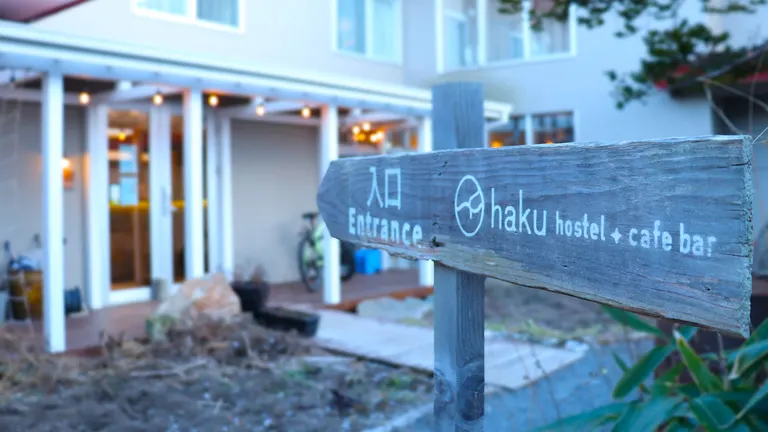
In 2017, as part of his activities as a Local Vitalization Cooperator, he established haku Inc. and began renovating the former Kashimuraryokan, which had closed in 2010. Kashimuraryokan was a long-established inn that was once loved by the community and whose closure was much lamented.
When Mr. Kikuchi first came to Shiraoi, he noticed the former Kashimuraryokan in a prime location. He wondered if he could renovate it and open a hostel. After asking around, he learned that the former owner ran a dental clinic in town. Mr. Kikuchi visited Mr. Kashimura and shared his vision.
"He readily agreed, even though it was a surprise visit. Mr. Kashimura is still an investor in haku as a shareholder, so the connection remains."
Using public subsidies, haku opened in April 2019. Although it was hit by the pandemic in its first year, he managed to keep the business afloat with his work as a Local Vitalization Cooperator and consultant.
Ignoring the "You Shouldn't Do It" Advice
Today, haku accommodates between 300 and 600 guests per month. During the peak season from August to October, it's so popular that it's difficult to get a reservation.
But why does haku attract a new type of clientele that was never seen before?
"At haku, we are conscious of creating a new 'base' of customers. For example, if we were to start a business or facility of a type that already existed in Shiraoi, we would just end up competing for the same local customers. It would be great if local customers used accommodation and dining services twice as much as before, but if not, it just cancels out and doesn't bring any net benefit to the region."
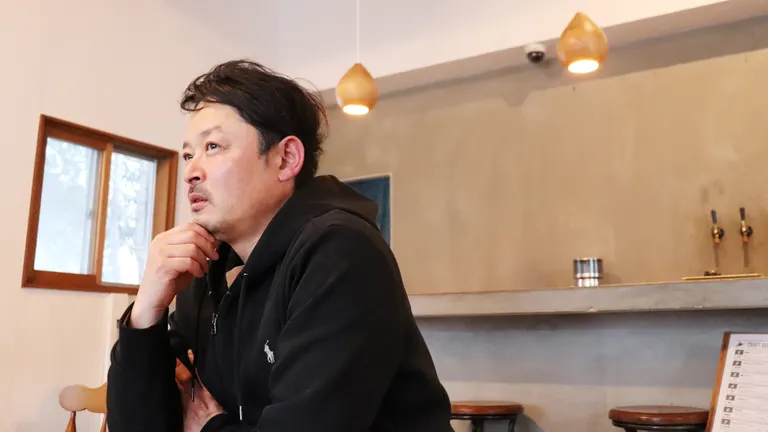
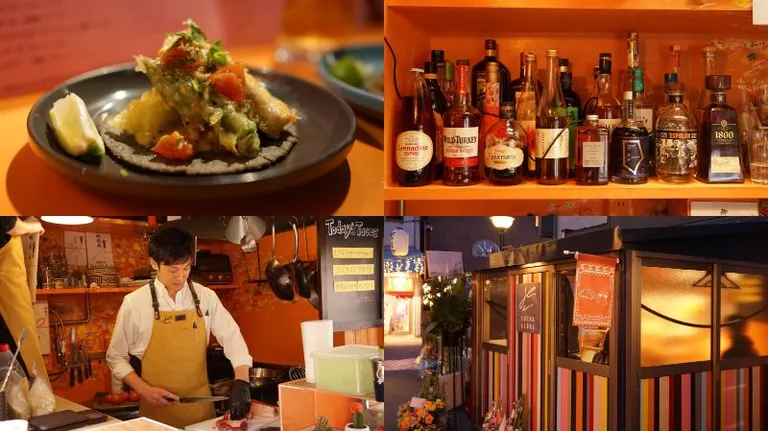
"The reason we chose the hostel & cafe bar style is that there were already hot spring inns and business accommodations in town. As a result, we attract travel-savvy customers who want 'affordable and casual lodging,' and intellectually curious inbound tourists interested in things like Upopoy or surfing."
It hasn't been smooth sailing all the way. There are always people who will say "it will never work" or "you shouldn't do it" to someone trying something new. Mr. Kikuchi received such comments, not just from within Shiraoi.
"I basically ignore those voices. All I can do is to just keep improving our services for the people who want what our business offers."
Mr. Kikuchi believes that pursuing what he wants to do and ensuring his company's survival ultimately contributes to the community. The phrase "for the community" is commonly used all over Japan now, but what truly benefits a community is providing services that customers want, vitalizing the business, creating jobs, and paying taxes properly.
"So, you don't have to say 'for the community' when you start something. 'This is what I want to do!' comes across as much more natural," Mr. Kikuchi says firmly.
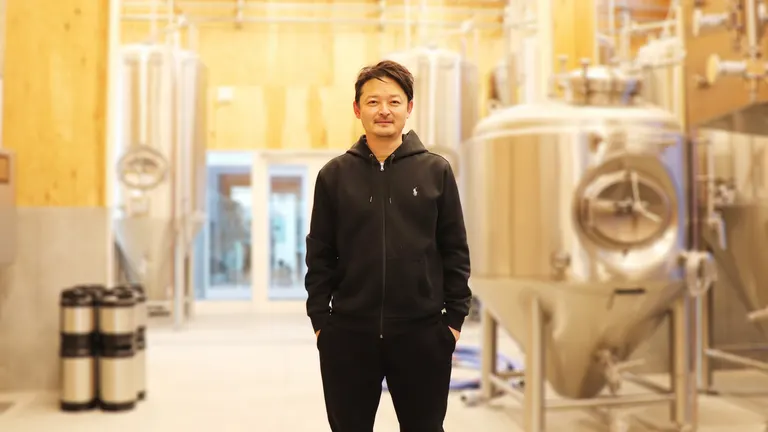
Currently, a craft beer brewery is under construction a few minutes' drive from haku. While haku originally served craft beers from places like Obihiro and Furano, soon customers will be able to enjoy "Shiraoi-made craft beer."
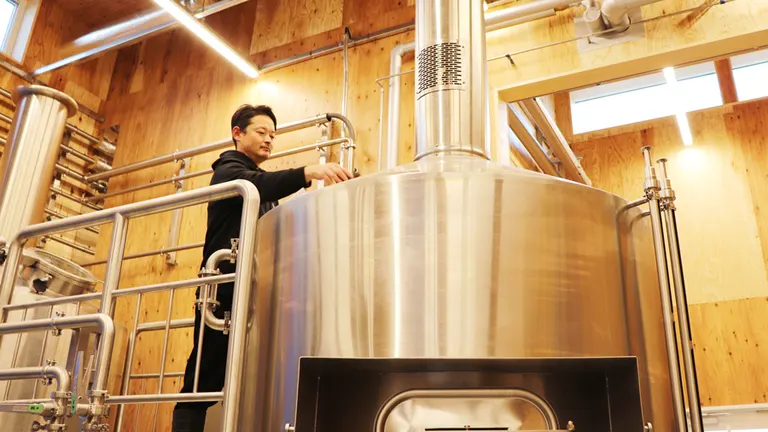
The craft beer brewery, preparing to start operations in February 2023. Brewing will be handled by a specialist, and there are plans to add a brewpub in the future.
While touring the craft beer brewery, an elderly man who lives nearby peeked in and murmured happily,
"It's so nice to be able to drink delicious beer in Shiraoi."
Mr. Kikuchi always pursues what excites him, living unpretentiously and true to his feelings. Young people and foreign guests are drawn to haku as if by his energy.
If more people who can realize their ambitions like Mr. Kikuchi appear in the future, what kind of miracles might happen in the town?
Writer Profile
 Yukina Hara
A Sapporo-based feature writer. She covers wonderful people and things in Hokkaido and writes on a wide range of topics including parenting, education, and CG. She loves spicy food and beer. A mother of two.