

ARTICLES
Connecting Tokachi's City, Countryside, Locals, and Travelers: An Interview with Kotomi Sakaguchi of HOTEL NUPKA



In the heart of Obihiro City in Tokachi, Hokkaido, stands a hotel renovated from a former establishment. Its name is NUPKA, which means "wilderness" in the Ainu language. The concept is "a hotel for journeying through great nature and the city."
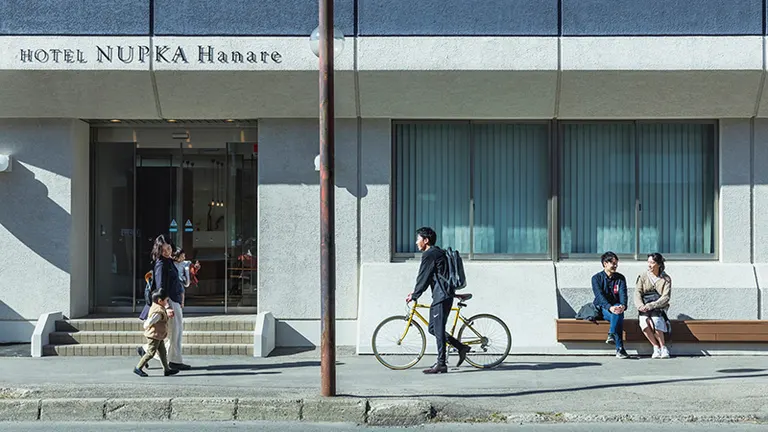
The company currently operates two properties, HOTEL NUPKA and NUPKA Hanare, both conveniently located a 3-minute walk from JR Obihiro Station.
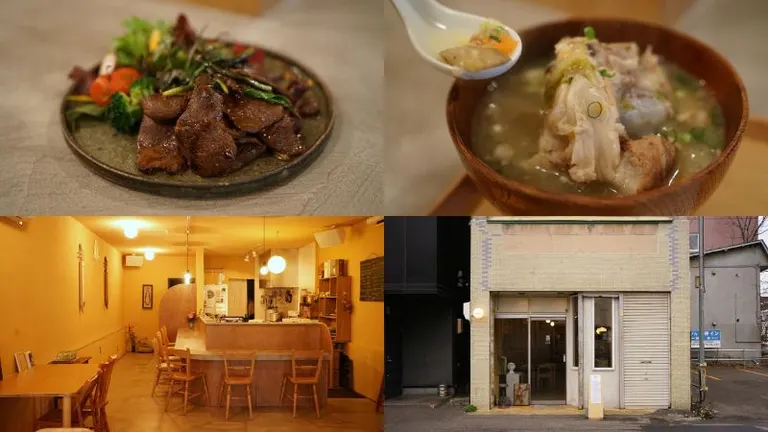
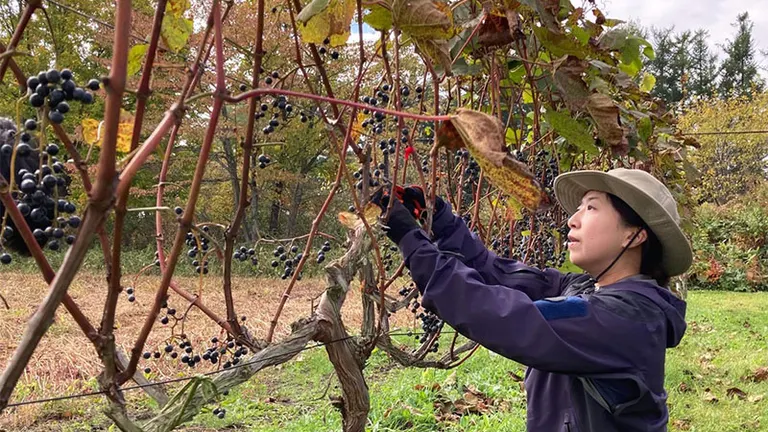
NUPKA was created as a base where visitors can experience Tokachi's culture in the city while enjoying its nature, agricultural products, and the delicious food and drinks that come from them—like beer, wine, cheese, soft-serve ice cream, and other dairy products, as well as meat and game. It's also a gateway to the region's hot springs. General Manager Kotomi Sakaguchi, a Tokachi native, returned to her hometown after studying abroad and running restaurants in Tokyo, guided by a series of fateful encounters.
Having been in the service industry since her student days, Ms. Sakaguchi calls hospitality "the pinnacle of service." What is the story behind the birth of NUPKA, a place that functions not just as accommodation but also as a community space for the region?
Kotomi Sakaguchi, General Manager of NUPKA
Just Having a Space Brings People Together and Creates Something New
Born and raised in the town of Makubetsu, Ms. Sakaguchi studied abroad in the United States during her third year of high school. At the time, she felt a sense of unease with the prevailing Japanese values of "get into a good university, get a job at a good company..." Her time abroad was her first exposure to the vast world of different ethnicities, national characteristics, and ways of life.
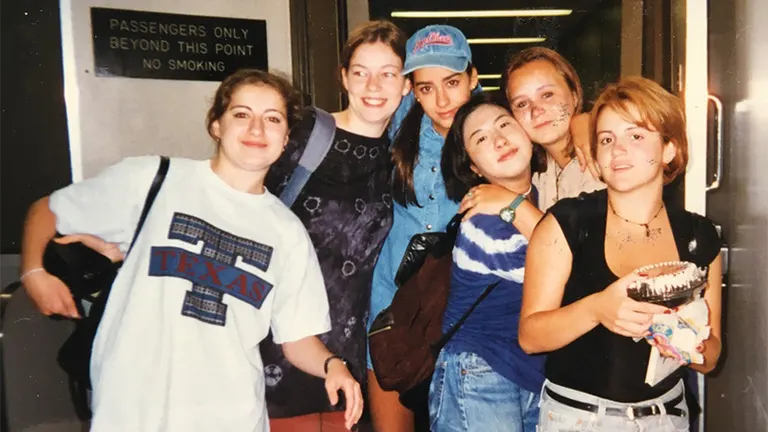
Ms. Sakaguchi (third from right) during her study abroad in the U.S.
Studying in the U.S. prompted Ms. Sakaguchi to re-examine her own roots for the first time. After returning to Japan and enrolling in a university in Tokyo, she started working part-time at a jazz bar. The bar was particular about its music and attracted many people who were passionate about food. Having grown up surrounded by food producers, Ms. Sakaguchi developed an interest in delicious food, finding more and more joy as she delved deeper. The close interaction with regular customers was also a major draw.
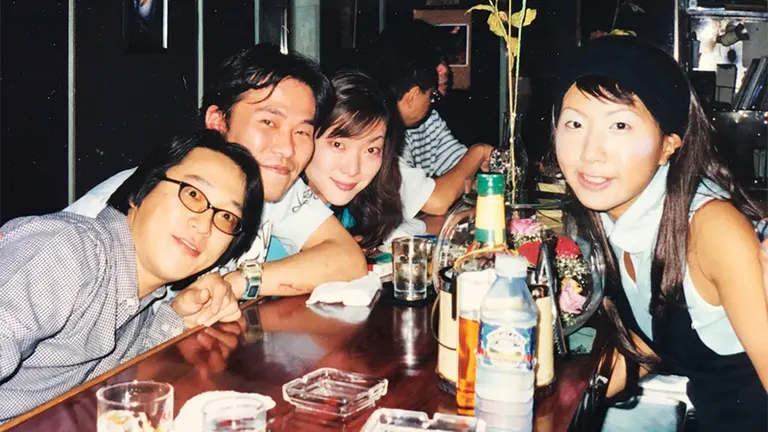
Working at the jazz bar. Ms. Sakaguchi is behind the counter.
It was during this time that she realized the joy of how simply having a space could connect people who wanted to connect, allowing her to meet people she otherwise wouldn't have and seeing casual conversations blossom into music events. This experience became a lifelong asset and would greatly influence the path she later took.
Opening a Dining Bar with an Acquaintance as a Third-Year University Student
Three years passed in a flash, and soon it was time for job hunting. It was the era of the "super employment ice age." The internet was also in its infancy, making it difficult to find information about jobs. Amidst this, Ms. Sakaguchi asked herself what she wanted to do and vaguely arrived at the idea of "wanting to communicate something."
It was a huge decision for someone in her early twenties, but Ms. Sakaguchi quit her job search and opened a dining bar with an acquaintance in Adachi, Tokyo. While managing accounting and part-time staff schedules there, she continued her part-time job at the jazz bar and kept up with her university studies.
For Ms. Sakaguchi, opening a business was also strongly about creating a space. She wanted it to be more than just a place that served food; she wanted it to be a "community park." She had already experienced at the jazz bar that if there was a park where people with similar interests could casually drop by, something new would emerge from it.
At the same time, the more experience she gained in the restaurant industry, the more she realized its difficulties.
An Attempt to Open a Hotel, the "Pinnacle of the Service Industry," Was Interrupted...
Around that time, she became captivated by the Yanesen area of Tokyo, where her hair salon was located. Despite being in a prime location inside the Yamanote Line loop, the area had many temples and cemeteries, which meant no tall buildings and a wide-open sky. "I didn't know a place like this existed in Tokyo," she thought. As she casually started looking for properties, she finally found a small one in Sendagi, a neighborhood next to Yanesen.
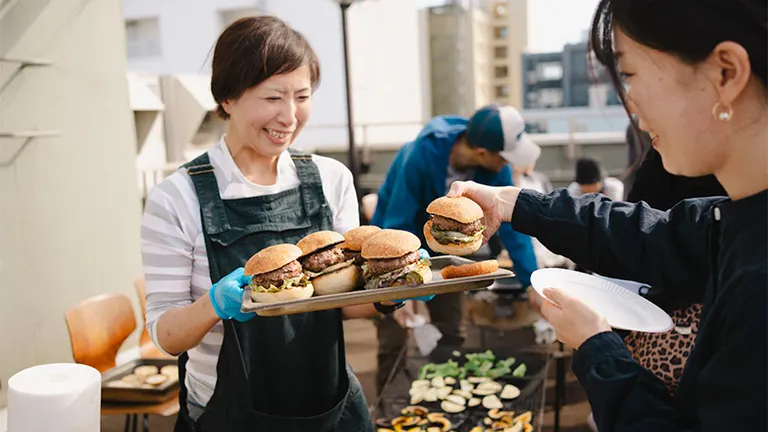
The space was too small to continue with a restaurant or to open the Southeast Asian furniture and goods store she was interested in, so she decided to open a hamburger shop in 2003. Back then, it was a quiet neighborhood with just a few locals strolling around, but she says the number of tourists gradually increased. With Tokyo University of the Arts and the University of Tokyo nearby, it was a cultural hub that attracted devoted fans from outside the area. "It was a time when I could feel firsthand how people create a vortex, with interesting events emerging from that culture," Ms. Sakaguchi recalls.

In the kitchen of the hamburger shop
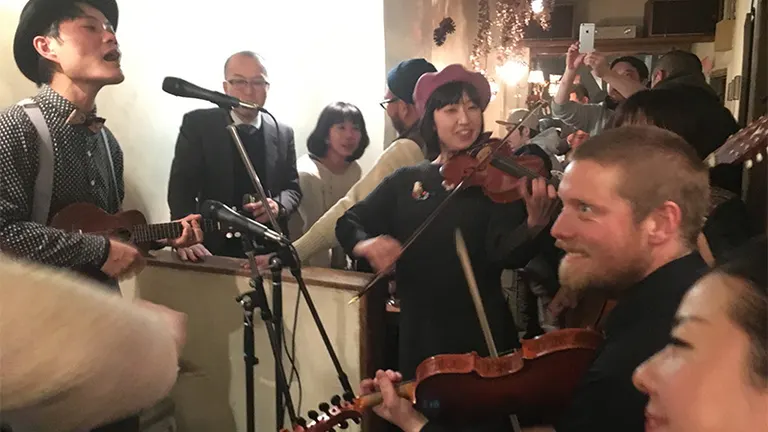
The hamburger shop gradually became a gathering place for friends.
The paradigm shift, where money felt like it could turn into worthless paper, made Ms. Sakaguchi question whether it was right to keep building things in Tokyo. She ended up letting go of the property she was planning to lease, and at that point, her vision of running a hotel seemed to be completely dashed.
But life has a funny way of working out. The turning point was brought by none other than her friends from her hometown, Tokachi.
- 1
- 2