

ARTICLES
Fully Renovated! A Guide to the New Sapporo Science Center: Experiences, Floor Highlights, Hours & Admission



- What is the Sapporo Science Center?
- 1F: Entrance & Planetarium - One Hundred Million Stars in an 18-Meter Dome
- 2F: Gaia Town - Experience a -30°C World and Winter Sports
- 3F: Technology Town - Get Hands-On with Science & Simulate Driving a Subway Train
- Admission Fees, Hours, Demonstration Schedules, Access, and More
What is the Sapporo Science Center?
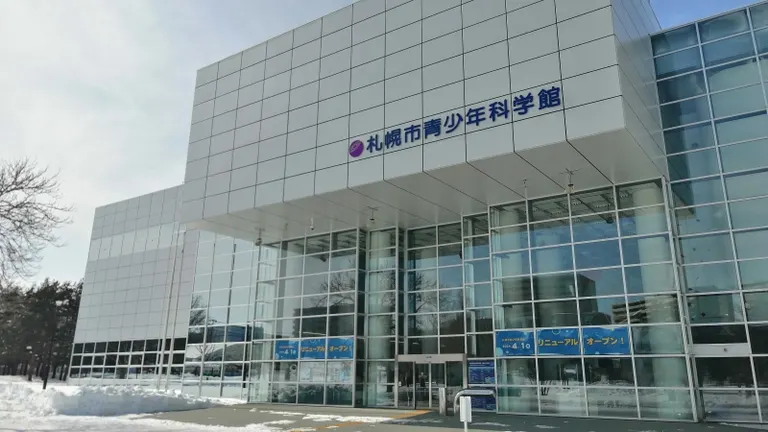
The Sapporo Science Center opened in October 1981 in Atsubetsu-ku, Sapporo. It has long been a beloved facility for all ages, especially elementary and middle school students, as a place to enjoyably learn about science through hands-on experiences. The popular planetarium was renovated on April 13, 2016, introducing a state-of-the-art optical planetarium that faithfully reproduces about one hundred million stars. Meanwhile, as the other exhibits aged, the center closed for renovation work in 2022 and finally reopened on April 1, 2024.
1F: Entrance & Planetarium - One Hundred Million Stars in an 18-Meter Dome
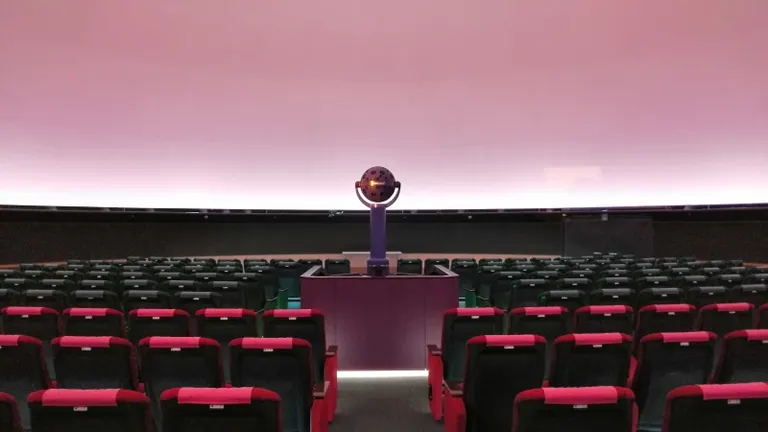
Planetarium
Upon entering through the main entrance, you'll find the popular planetarium next to the reception desk. During the COVID-19 pandemic, the planetarium program was shortened to 40 minutes, but with the April 2024 reopening, it has returned to its pre-pandemic 50-minute length (some programs for young children are 30 minutes). Along with screenings of popular planetarium programs, expert staff provide live commentary on the night sky and monthly astronomical topics. The Craft Room is also on the 1st floor, where craft workshops for elementary and middle school students are held on Sundays and holidays.
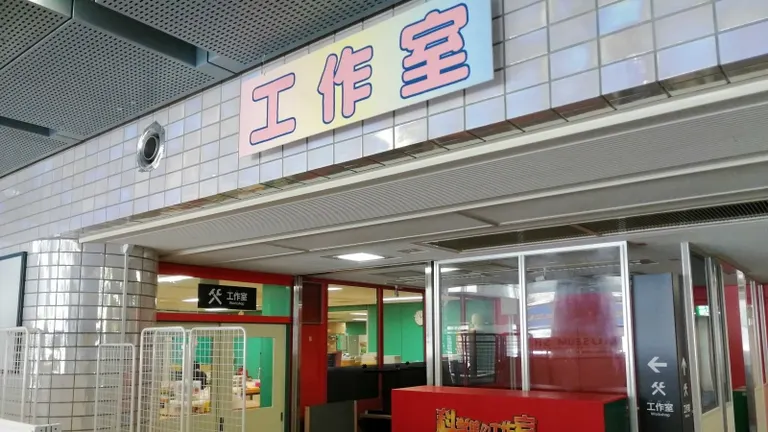
Craft Room
2F: Gaia Town - Experience a -30°C World and Winter Sports
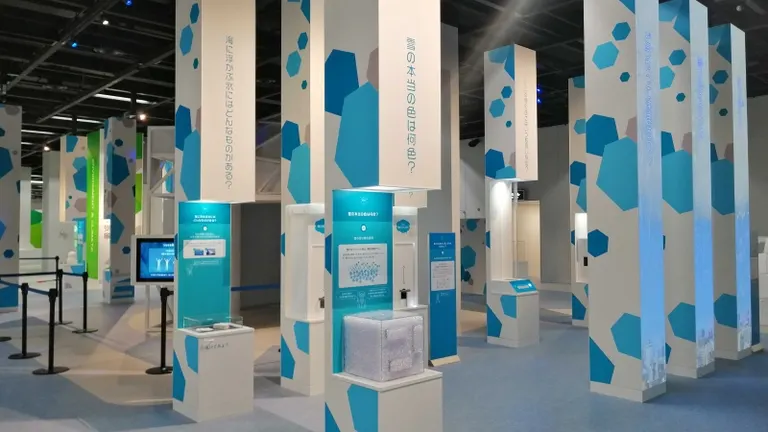
The 2nd floor, "Gaia Town," which has seen many of its exhibits renewed, is broadly divided into the "Snow and Ice Area," "Environment and Weather Area," and "Astronomy and Earth Science Area." As you proceed along the "Science Street," which loosely connects the themes, you can systematically learn about the science of the northern regions.
Snow and Ice Area
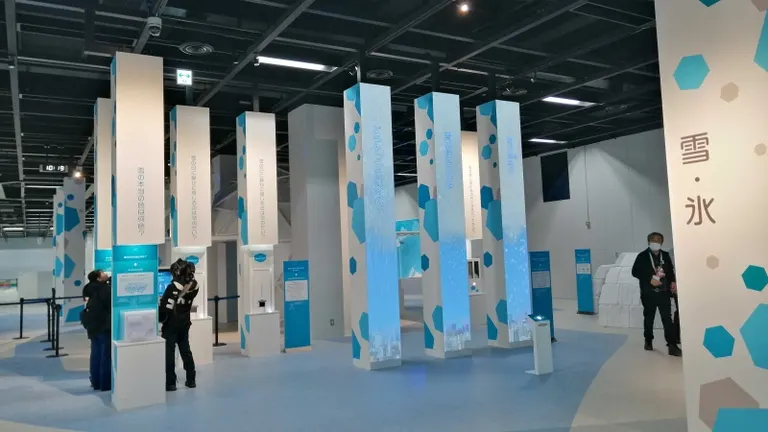
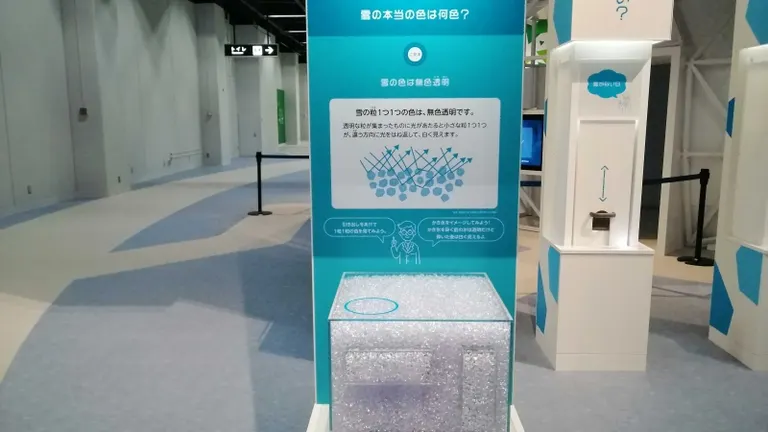
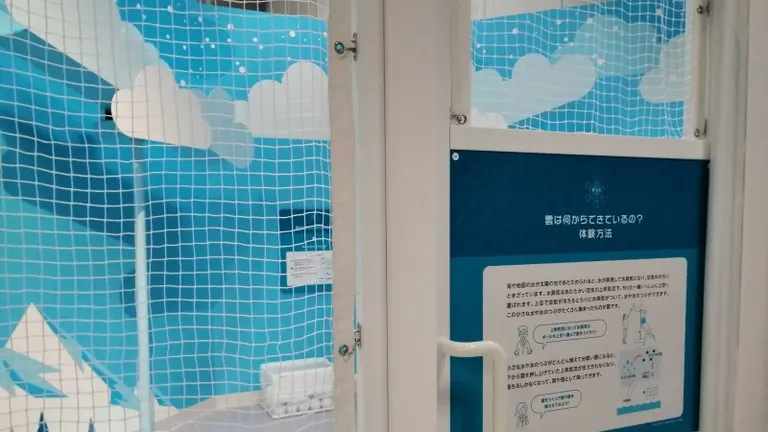
The Snow and Ice Area is where you can learn about "snow" and "ice," natural phenomena deeply rooted in Sapporo life. It introduces the beauty and diversity of snowflakes, the unique characteristics of a city with heavy snowfall, and the charm of snow and ice that can only be learned in a northern country. The main attraction is the "Low Temperature Playground," where you can experience a world of -30°C. You can even see a wet towel freeze solid. With the latest renovation, you can now also experience the movements of winter sports like "curling" and "skeleton," which are sure to be popular with children.
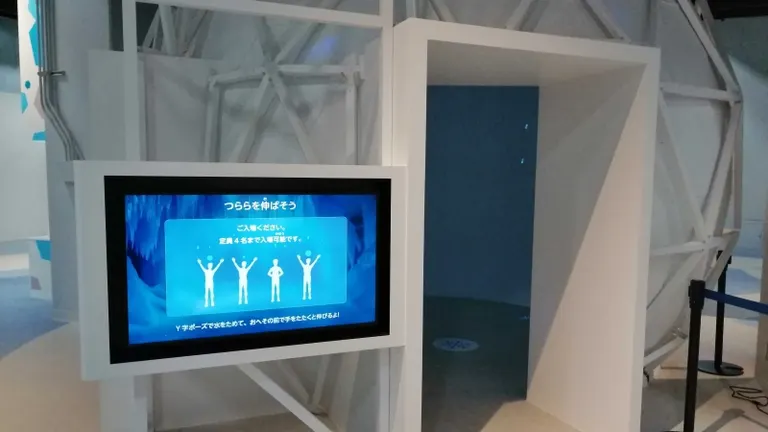
Enjoy beautiful visuals of snow and ice at the "Snow Dome Theater"
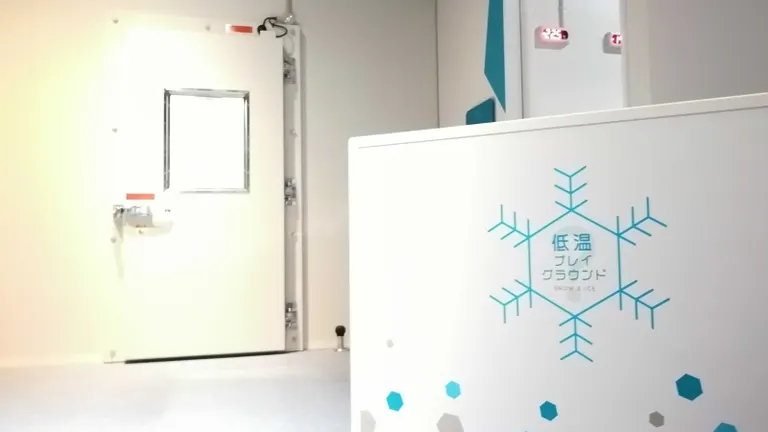
Experience a -30°C world at the "Low Temperature Playground"
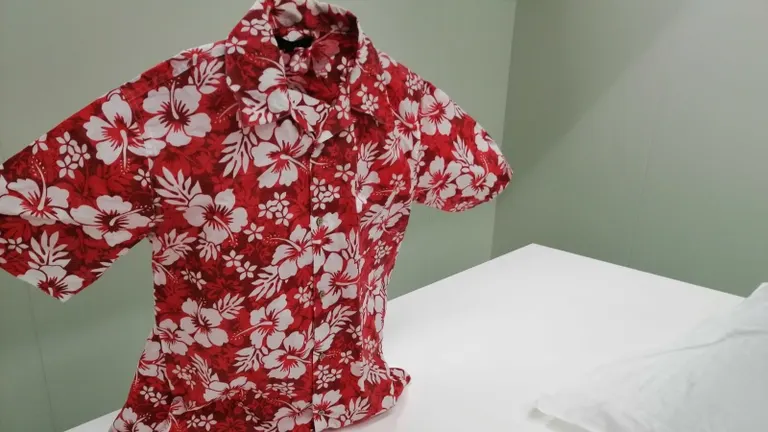
Inside, you'll find a shirt and towel frozen solid
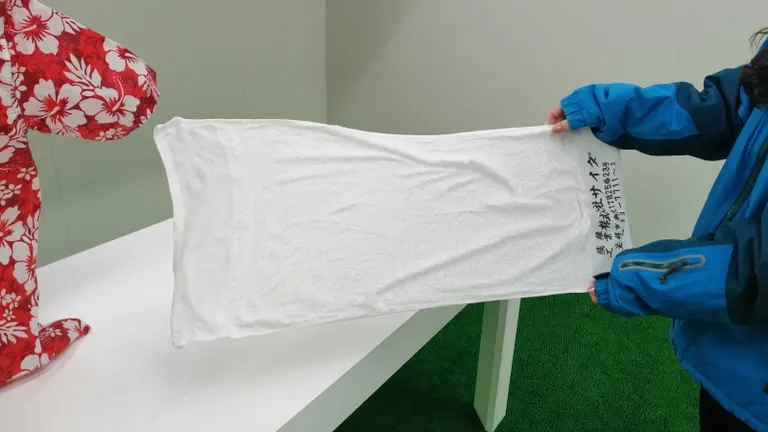
The towel is frozen stiff when you hold it!
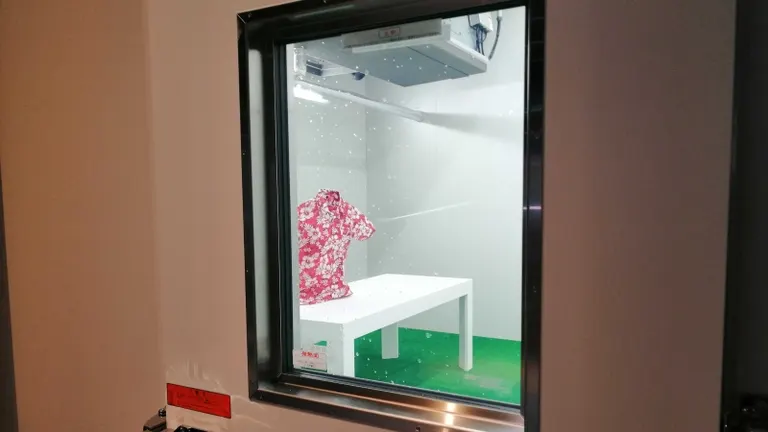
You can also watch what's happening inside from the warm outside
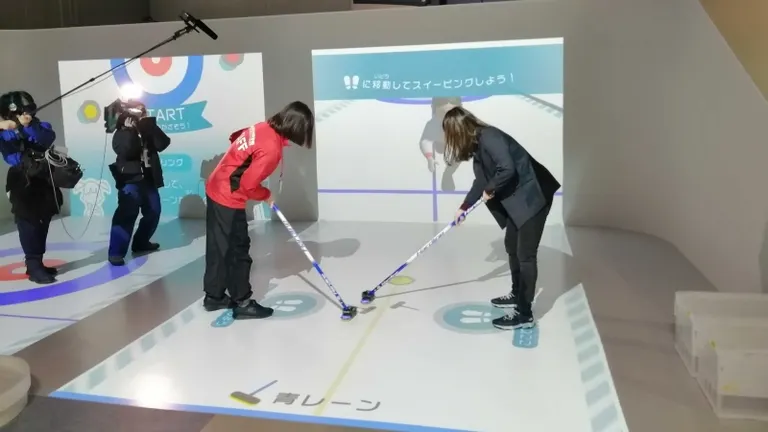
A curling experience using real brushes
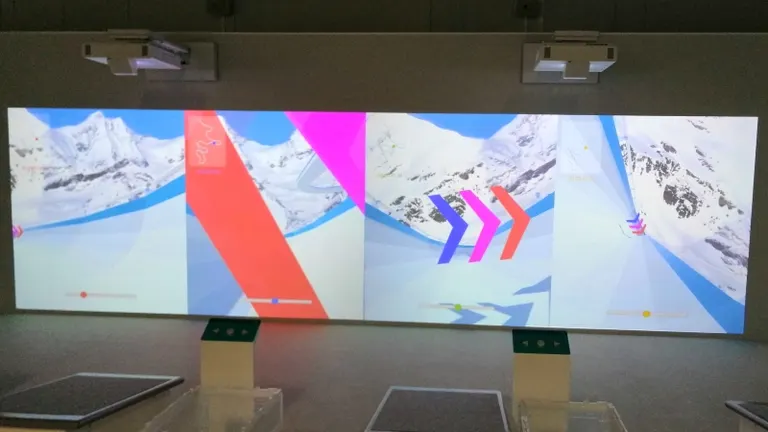
A skeleton experience where you shift your body's center of gravity to race down the course
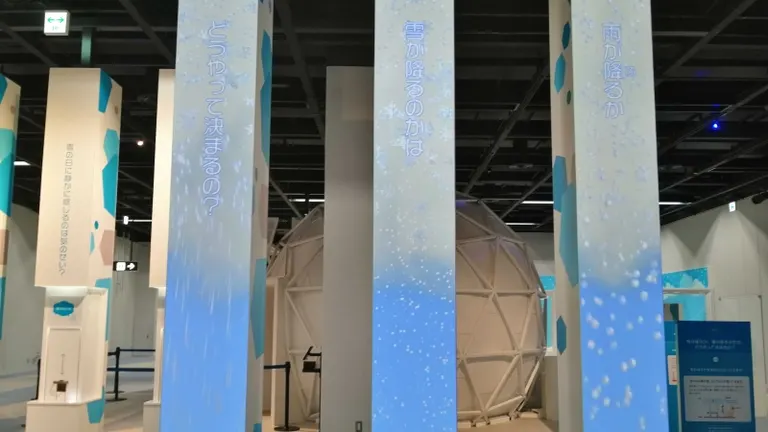
The Snow and Ice Area has many other exhibits
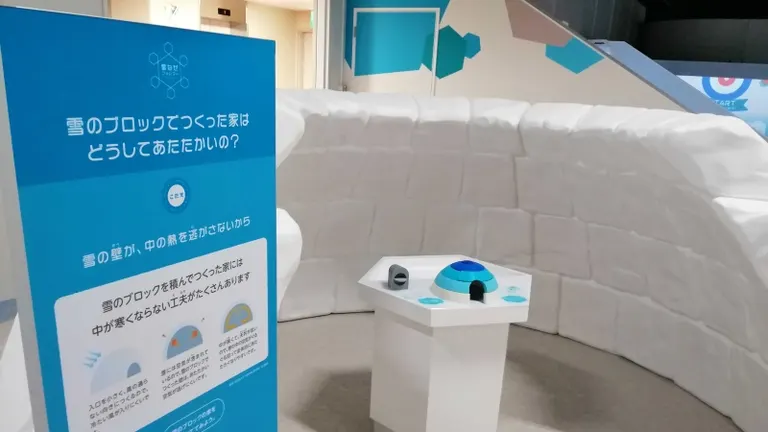
Environment and Weather Area
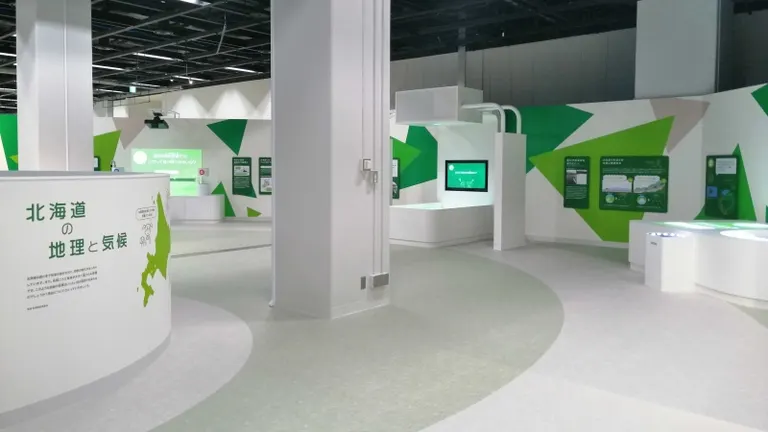
The Environment and Weather Area is where you can learn about the weather and climate of Hokkaido and Sapporo. Focusing on "winter," which has unique characteristics among the four seasons in Hokkaido and Sapporo, you can have fun learning about various weather phenomena.
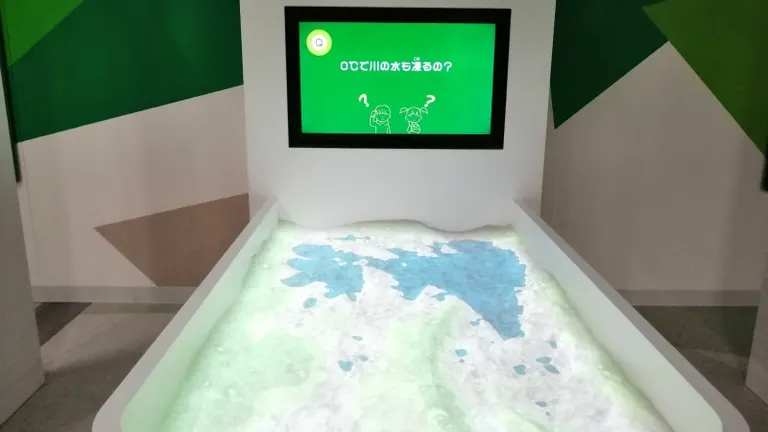
At the exhibit where you can learn about topography,
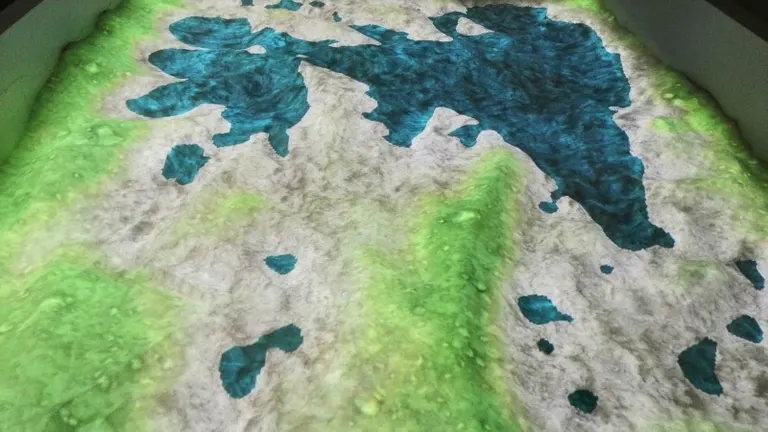
you can actually touch the sand to create landforms
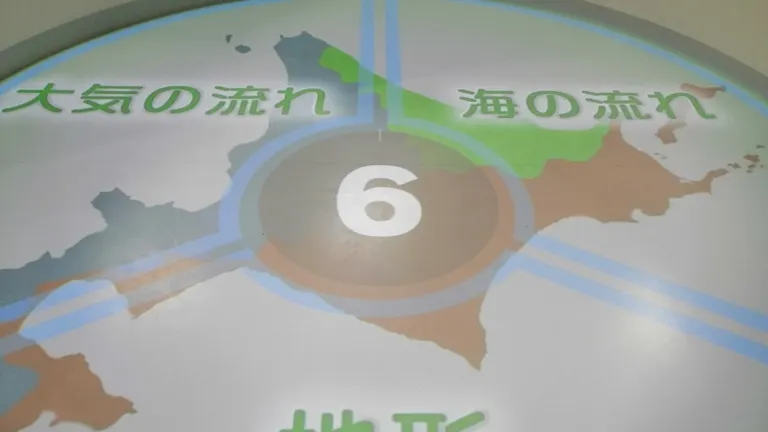
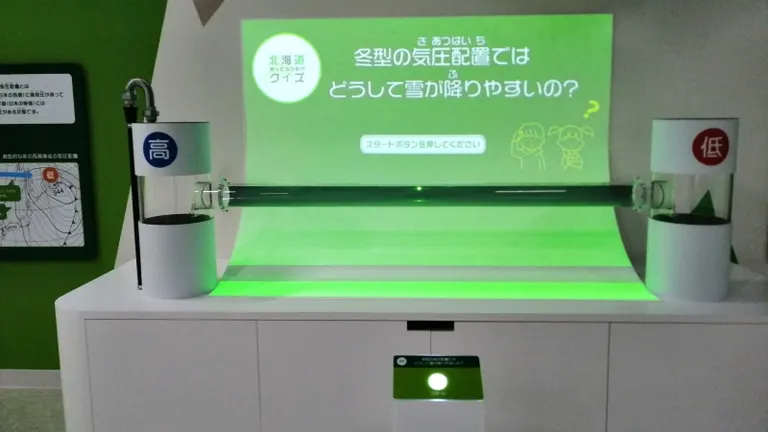
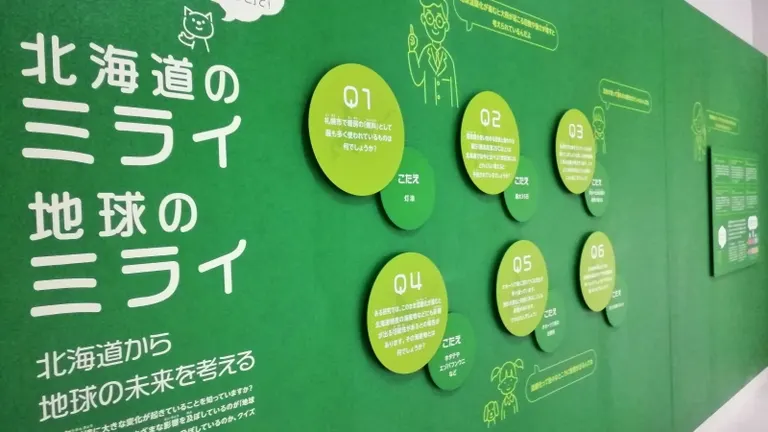
There are also exhibits where the story progresses based on your choices
Astronomy and Earth Science Area
In the Astronomy and Earth Science Area, you are greeted by the large Earth Dome, which has been here since before the renovation. You can walk around the Earth Dome and learn about everything from the birth of the universe to the formation of Hokkaido.
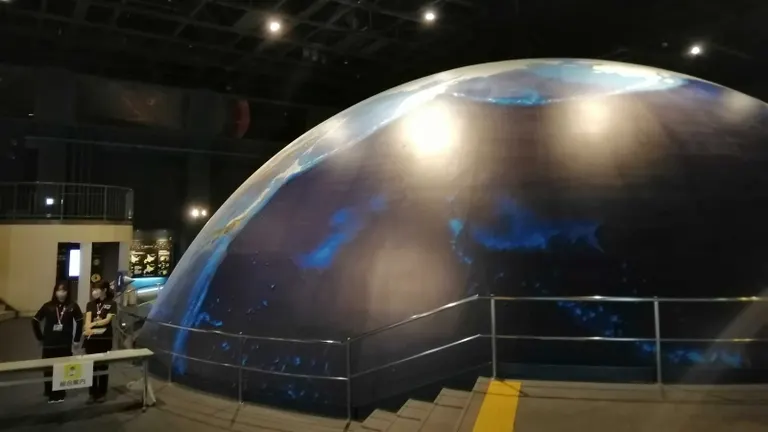
The iconic Earth Dome has a diameter of about 20 meters
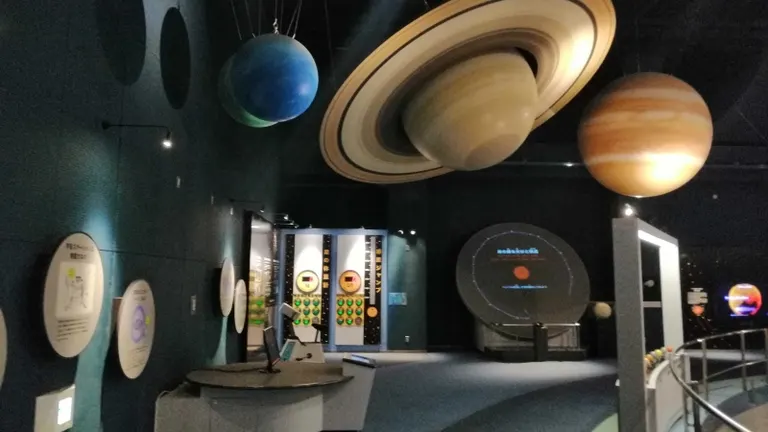
The planet models are about 1/70,000,000th of their actual size
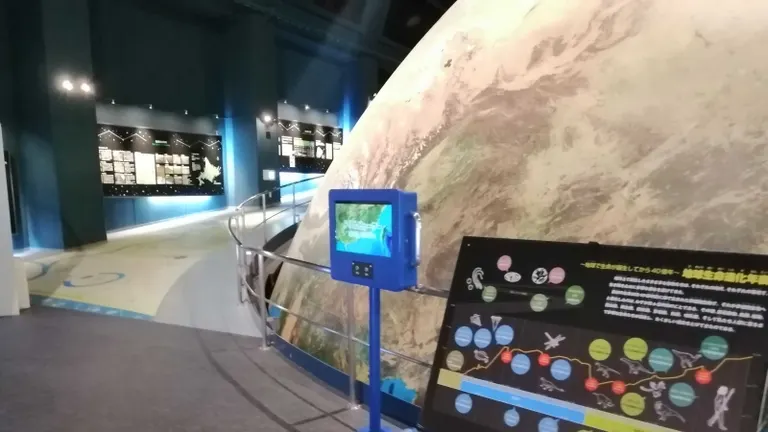
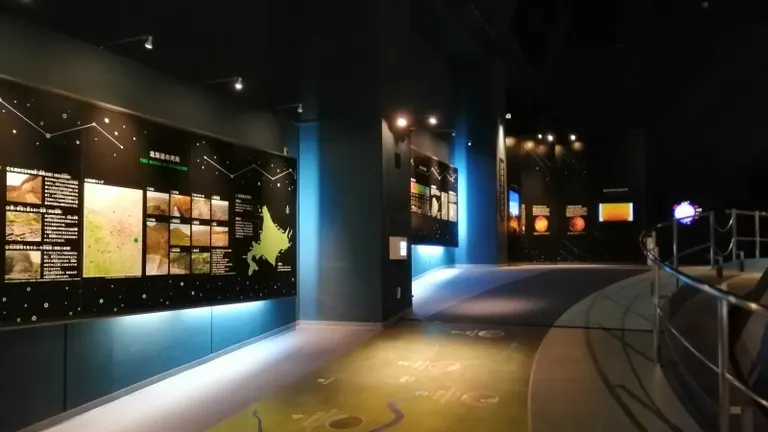
Discovery Corner
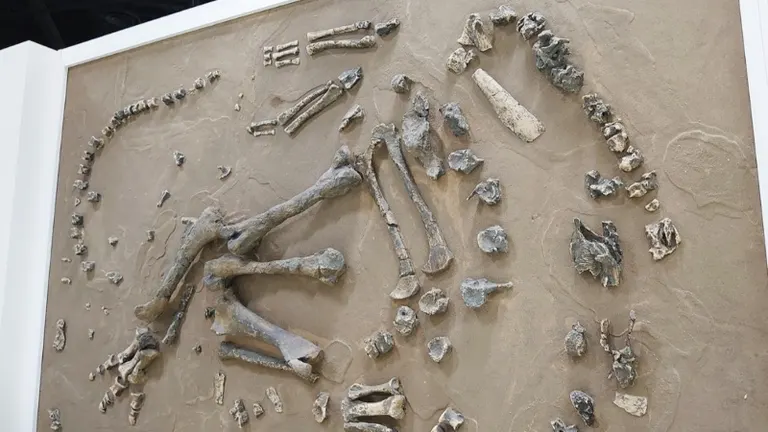
The Discovery Corner displays the excavation site and a replica of the skull of the "Nipponosaurus," the first dinosaur studied by a Japanese researcher. You can also see a real ammonite exhibit.
3F: Technology Town - Get Hands-On with Science & Simulate Driving a Subway Train
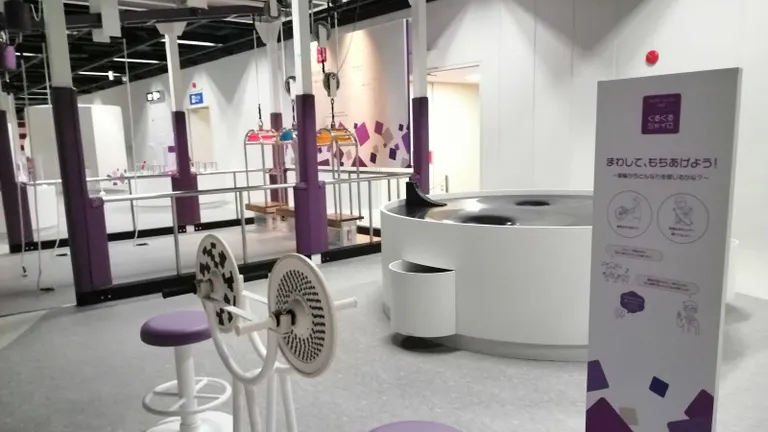
Like the 2nd floor, the 3rd floor, "Technology Town," has been extensively renovated and is divided into the "Science Park," "Body Adventure," "Sapporo Backstage," and "Science Show Corner." A kids' space and nursing room are located near the restrooms and rest area, providing peace of mind for parents with infants and toddlers.
Science Park
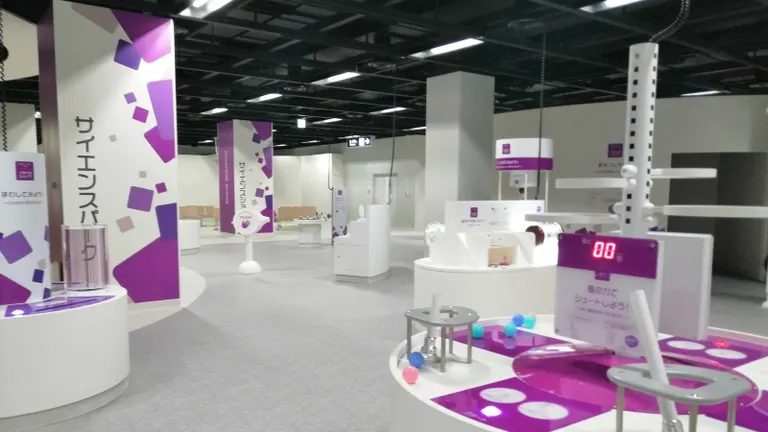
The Science Park is an area where you can experience and feel various scientific phenomena up close. Through experiences using the power of air and observing strange images in distorted mirrors, even young children can have fun discovering the wonders of science.
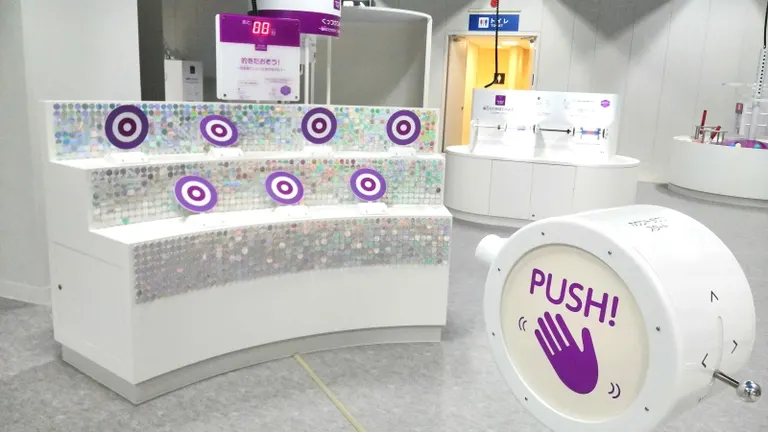
Knock down targets with an air cannon in the "Fuwafuwa Air Bazooka"
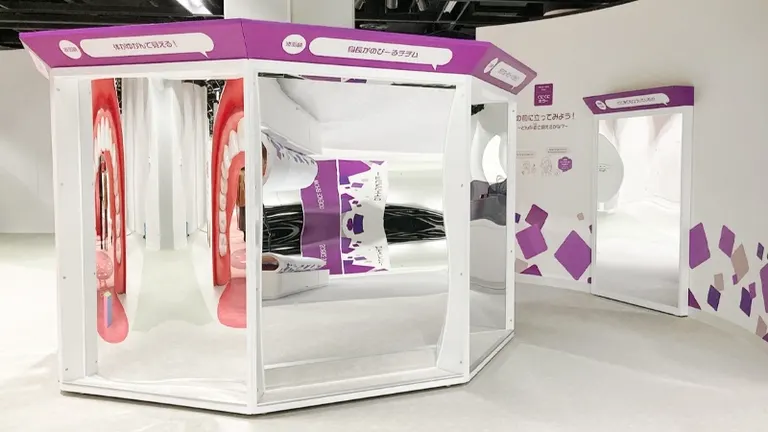
Experience a strange world with various mirrors in the "Guniguni Mirror"
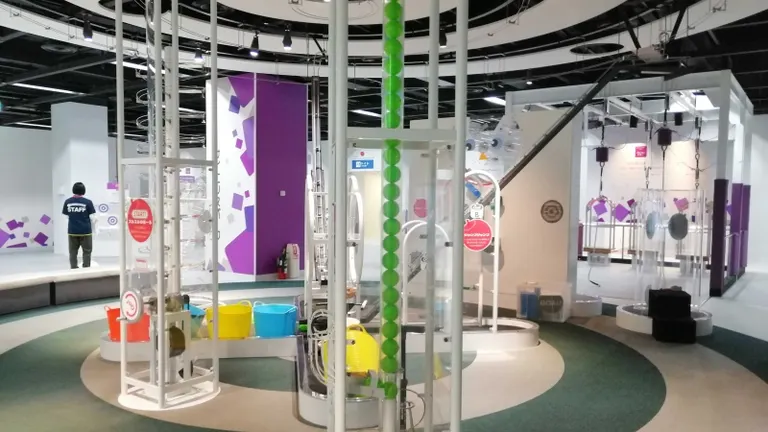
The "Power Forest," a popular exhibit since before the renovation
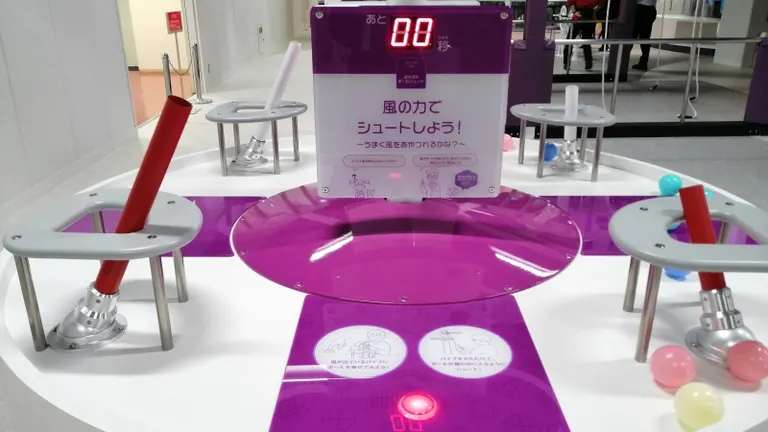
Lots of experiences for young children to enjoy
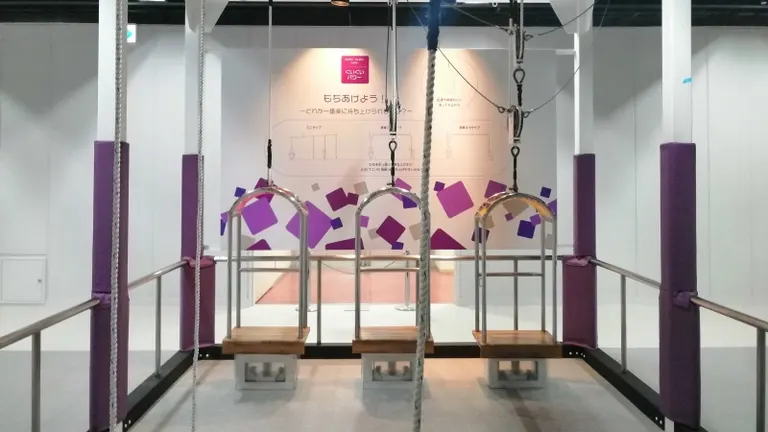
Body Adventure
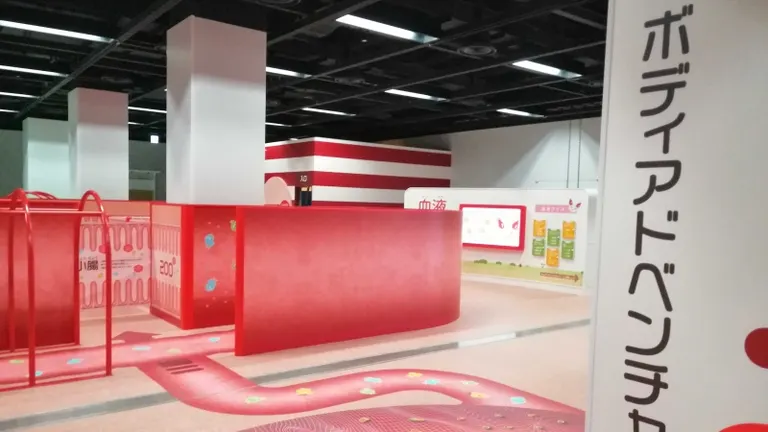
Body Adventure is an area where you can learn about the human body using your five senses. You can learn about the workings inside the human body, which are usually difficult to notice, in an easy-to-understand way from a scientific perspective.
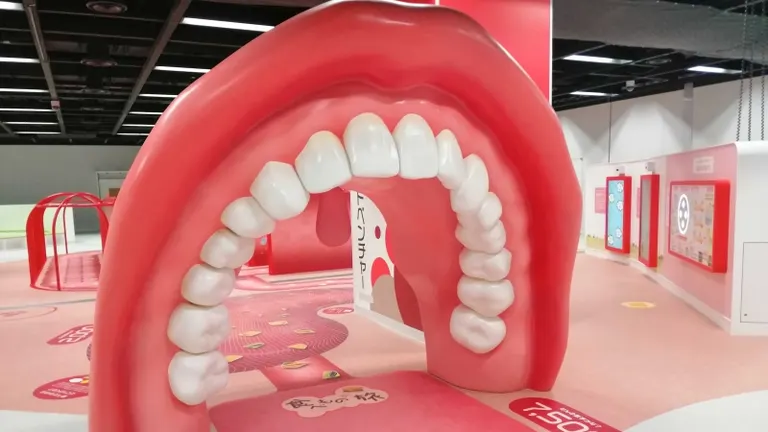
The impressive mouth gate of "Journey of Food"
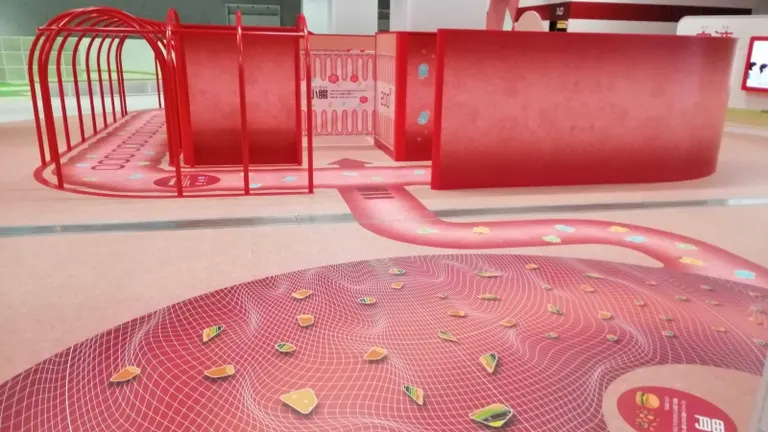
Travel through the body from the perspective of food
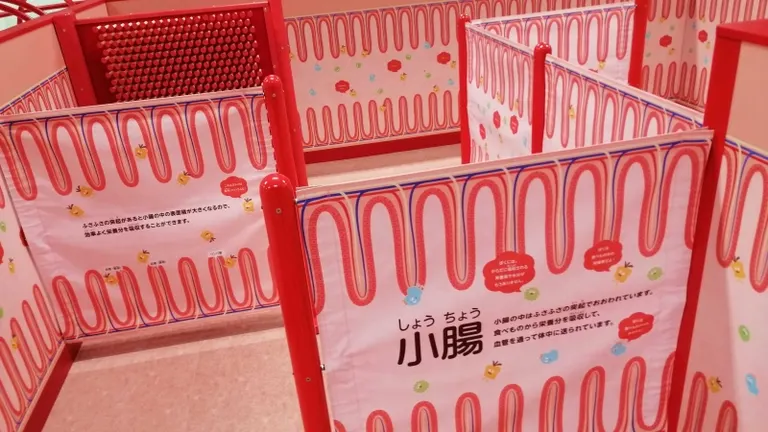
Along the way, there are explanations about the body's mechanisms
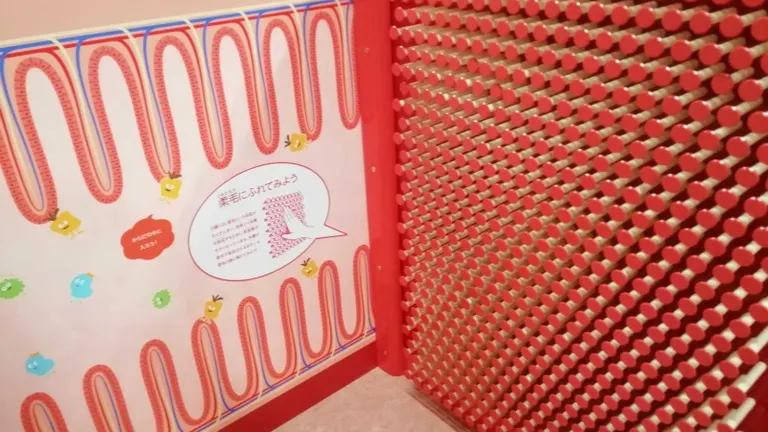
There are also places where you can touch and experience
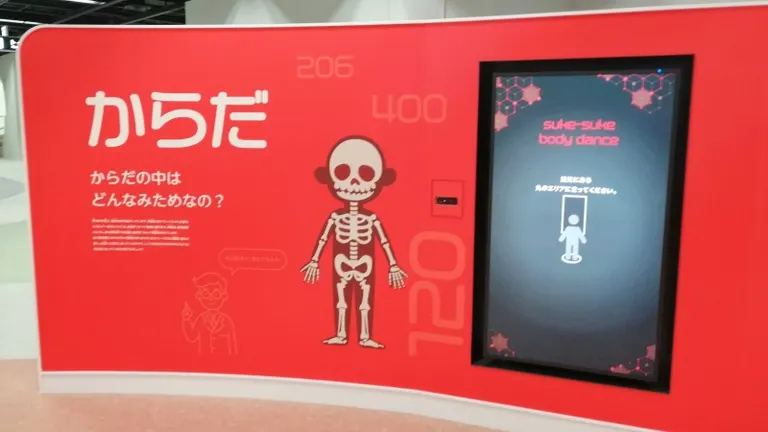
What does the inside of your body look like? "Sukesuke Body Dance"
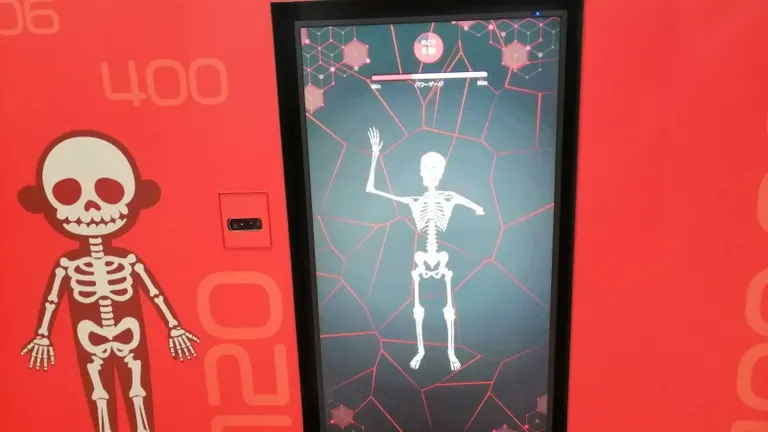
When you raise your hand, your bones move like this
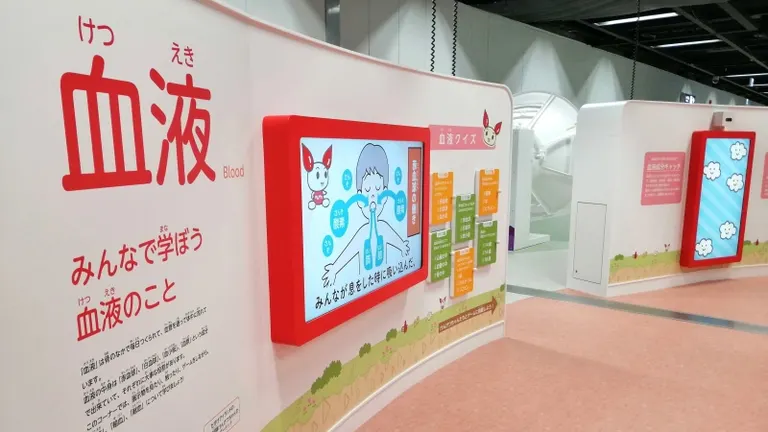
A corner where you can learn about the blood system
Sapporo Backstage
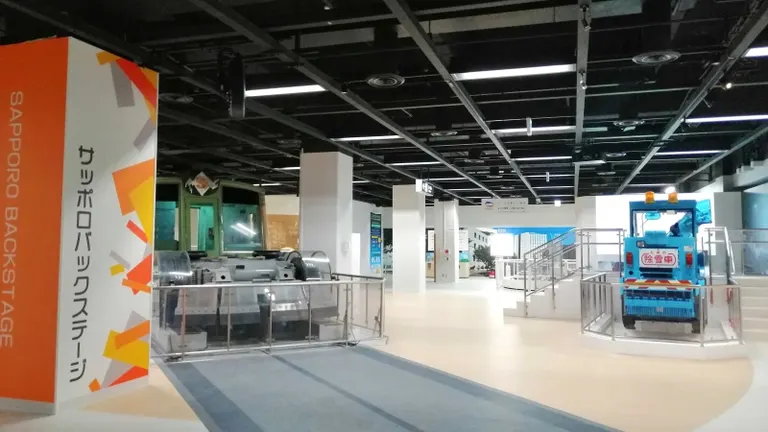
Sapporo Backstage features a real Tozai Line subway car that used to run through the city of Sapporo, as well as a small rotary snowplow. With the renovation, you can now experience a driving simulation while watching a monitor, making it likely to become a popular exhibit.
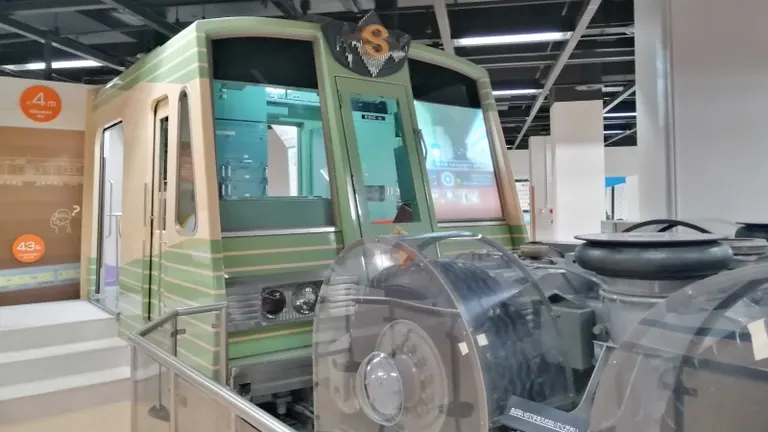
The Tozai Line subway car was the first in Japan to seriously use rubber tires
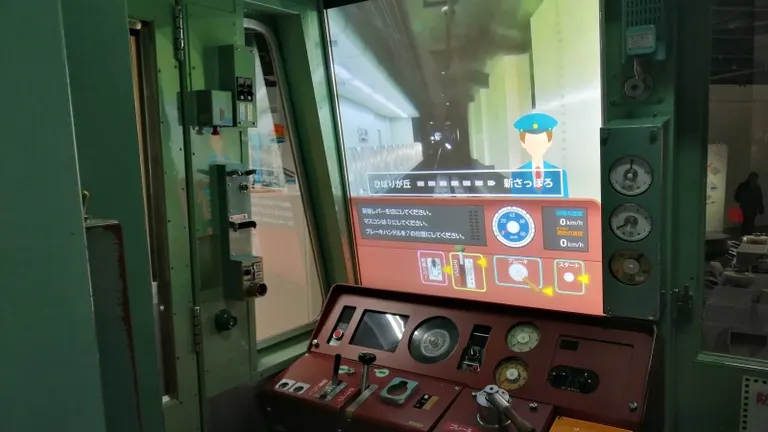
The new subway driving simulator introduced with the renovation
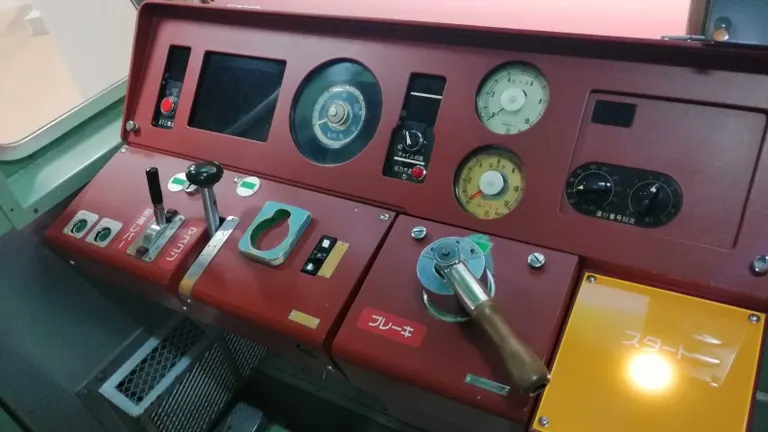
The driver's cab has a realistic design that preserves the feel of the real thing
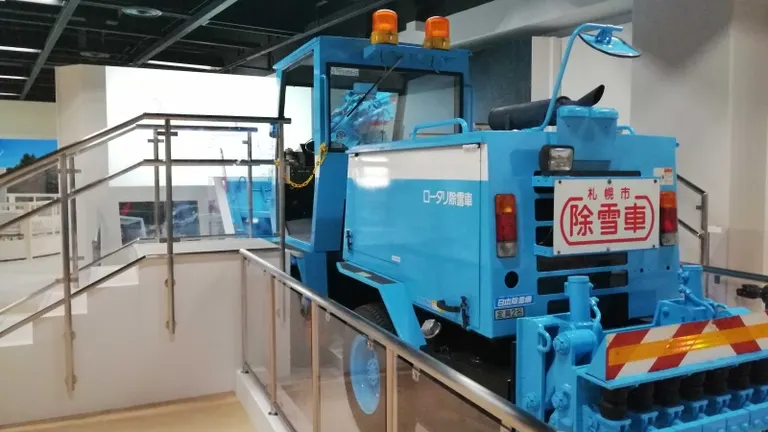
Of course, you can also get on the snowplow that was actually used
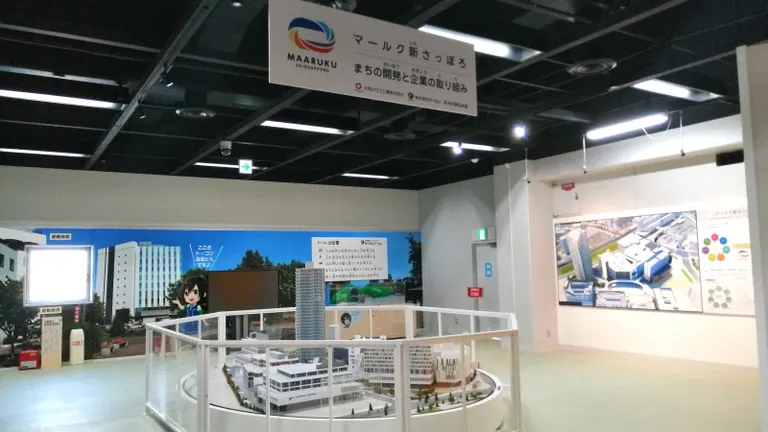
There's also an introduction to the redevelopment that's been a hot topic with the opening of the "BiVi Shin-Sapporo" complex
Slanted Room
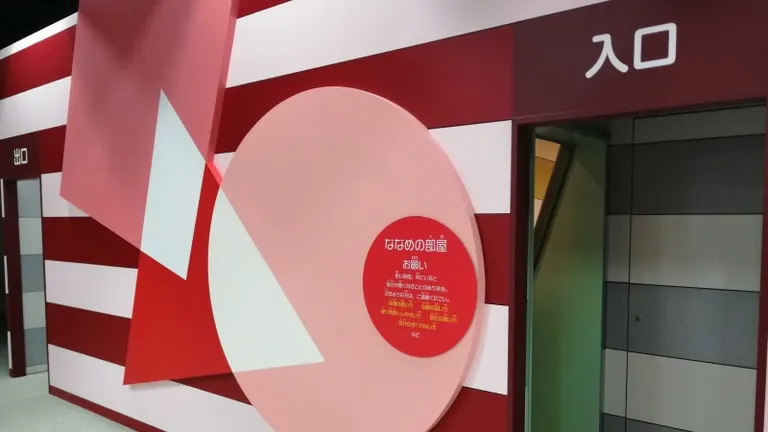
The "Slanted Room" has been popular since before the renovation. The floor is tilted, but the pillars and walls are installed vertically, creating a discrepancy between your visual and equilibrium senses for a strange experience.
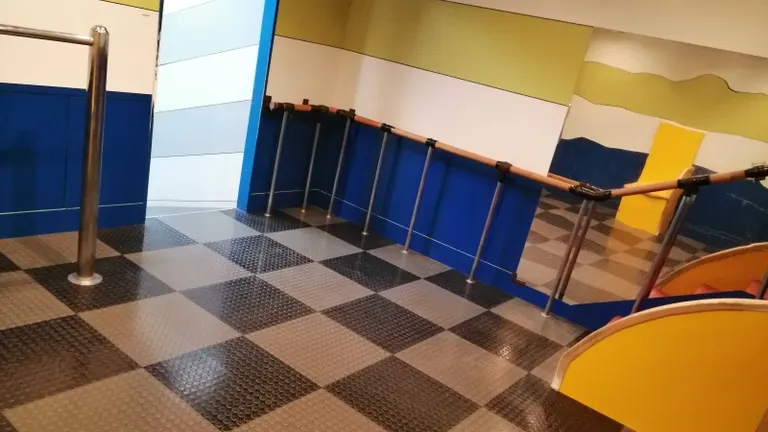
The "Slanted Room," where only the floor is tilted at a 15-degree angle
Science Show Corner
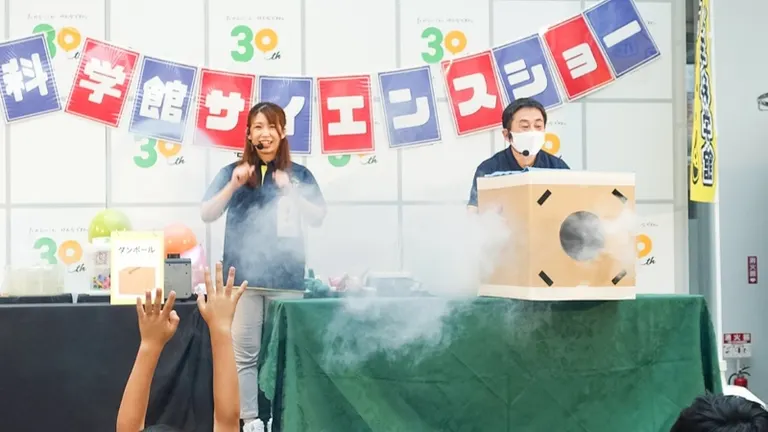
The "Science Show," a science experiment show that can be enjoyed by everyone from children to adults, is held for about 15 minutes on both weekdays and weekends/holidays. The content changes regularly.
Sunday Laboratory
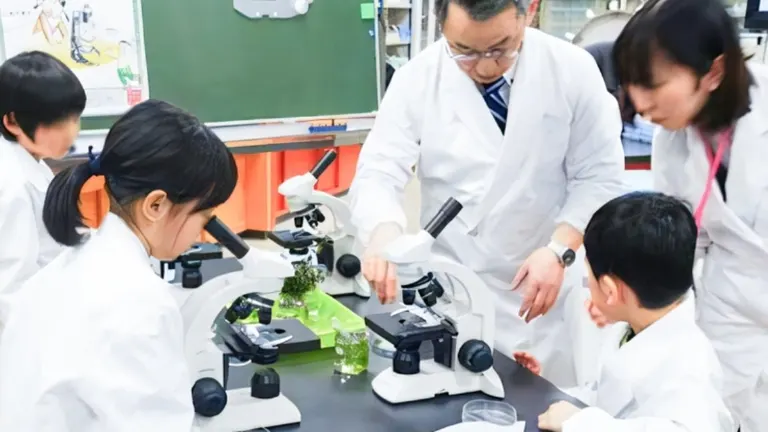
The Sunday Laboratory is a science experiment class for elementary and middle school students held every Sunday and holiday. You can try your hand at fascinating experiments using lab equipment you don't normally get to touch.
Hours, Admission, Demonstration Schedules, Access, and More
Opening Hours
■ October - April: 9:30 AM to 4:30 PM
■ May - September: 9:00 AM to 5:00 PM
*Last admission is 30 minutes before closing
Closing Days
Every Monday / Last Tuesday of every month / The day after a public holiday / The day after the last day of a special exhibition / New Year holidays (December 27 - January 4)
Admission Fees
■ Junior high school students and younger: Free
*Please get a free admission ticket at the ticket counter to enter.
■ Adults: Exhibition Hall 700 yen / Planetarium 500 yen / Set Ticket (Exhibition Hall & Planetarium) 1,000 yen
■ Annual Pass: Exhibition Hall 2,000 yen / Planetarium 2,500 yen
■ Coupon Book (5 tickets): Exhibition Hall 3,150 yen / Planetarium 2,250 yen
*Group discount available for 30 or more adults.
Planetarium and Demonstration Schedules
■ Planetarium (Capacity 200 people per show, approx. 50 min, some programs are 30 min)
・May - September Weekdays: 9:10 (*1) / 10:25 (*2) / 11:40 (*2) / 13:00 / 14:15 / 15:30
・May - September Weekends, Holidays & Special Exhibition Periods: 9:40 / 10:50 / 12:00 / 13:15 / 14:30 / 15:45
・October - April: 10:15 (*1) / 11:30 (*2) / 12:45 (*2) / 14:00 / 15:15
(*1 is for groups only, *2 is priority for groups)
■ Science Show (approx. 15 min)
Weekdays, Weekends & Holidays
10:00 / 11:00 / 13:00 / 15:00
■ Sunday Laboratory (Capacity 16 people per session, first-come-first-served, for elementary & middle school students, approx. 30 min)
Sundays & Holidays only
11:00 / 14:00
■ Low Temperature Playground (Capacity approx. 15 people per session, first-come-first-served, approx. 15 min)
Weekdays, Weekends & Holidays
10:30 / 12:00 / 13:30 / 15:45
■ Science Center Craft Room (Capacity 16 people per session, first-come-first-served, for elementary & middle school students, approx. 45 min)
Sundays & Holidays only
10:00 / 11:30 / 13:30
Location & Access
■ Address: 5-2-20 Atsubetsu Chuo 1-jo, Atsubetsu-ku, Sapporo
⟨Access⟩
■ Subway Tozai Line: 1-minute walk from Exit 1 of Shin-Sapporo Station
■ JR Chitose Line: 5-minute walk from Shin-Sapporo Station via Sunpiazza