

ARTICLES
Obihiro: Ainu Restaurant "Ponchise" Relocates from Kita no Yatai, Becoming a Hub for Popular Cuisine, Lunch, and Events



Ainu Home Cooking Ponchise, which graduated from Obihiro's Kita no Yatai in October 2025, reopened in November of the same year at the former site of "Gyoza no Shofuku." This new location, a step up from the food stall, has become a place where time flows more freely and openly, connecting a diverse range of people. In this article, we'll introduce not only the restaurant's menu but also its background and its appeal as a gathering place for the community.
- The Major Turning Point That Sparked the Restaurant's Creation
- A Variety of Ainu Dishes Passed Down from Mother to Daughter, Still Eaten Today
- Various Events Held on Regular Closing Days, Sundays & Mondays
- New Lunch Service Started After the Relocation
- Beyond the Restaurant: The Annual "Seimei Banzai Festival"
The Major Turning Point That Sparked the Restaurant's Creation
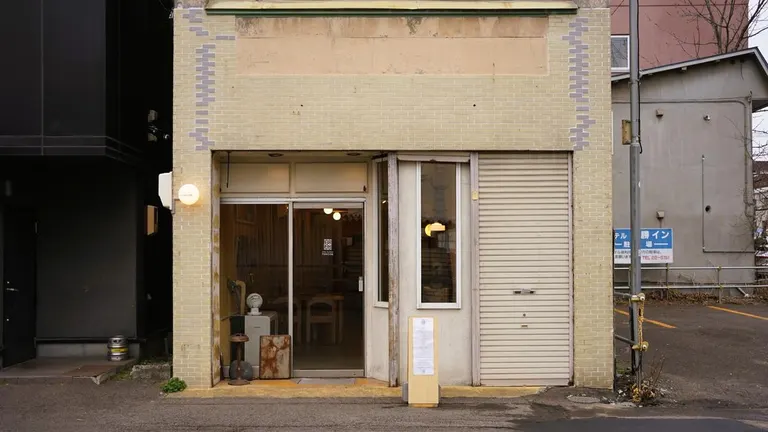
Ponchise is a street-level shop located on an alley lined with buildings, a 5-minute walk from Obihiro Station.
Ponchise got its start at Obihiro's Kita no Yatai, a famous food stall village. Its beginning was marked by a major turning point in the life of its owner, Junko. Originally, Junko was a customer at Kita no Yatai. As she frequented the stalls, she began to think, "I'd like to open my own place here someday." However, at the time, her children were still small, and she initially gave up on the idea, thinking, "Now's not the right time." But just one week later, she was diagnosed with cancer. At that very moment, she received a call from the Kita no Yatai management, asking, "Would you like to try being a trainee at a stall?"
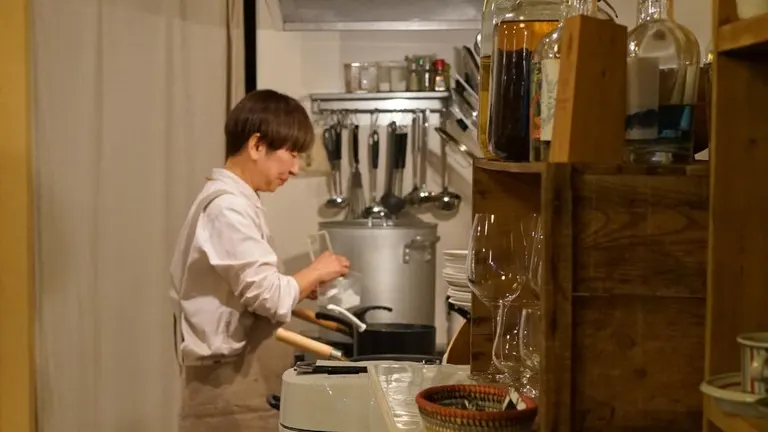
Owner Junko. Ponchise literally means "small house."
The fear of "I might die" removed her mental brakes, and Junko decided, "I'm going to do what I want to do." She joined as a trainee and went on to run her stall at Kita no Yatai for eight years. "If it weren't for the illness, my desire to open Ponchise might have just remained a dream," she reflects.
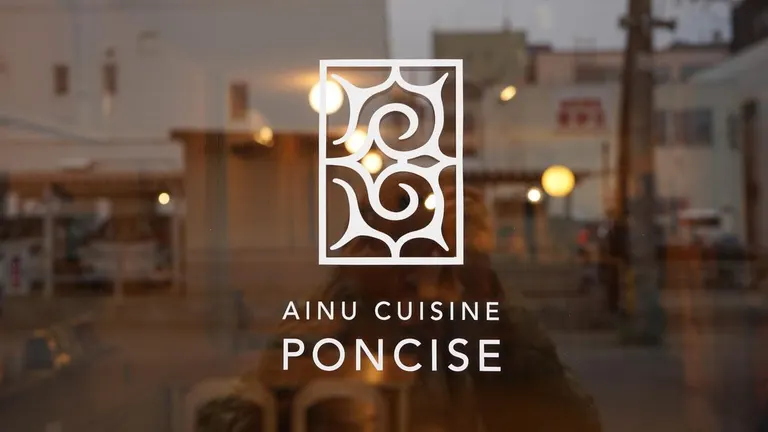
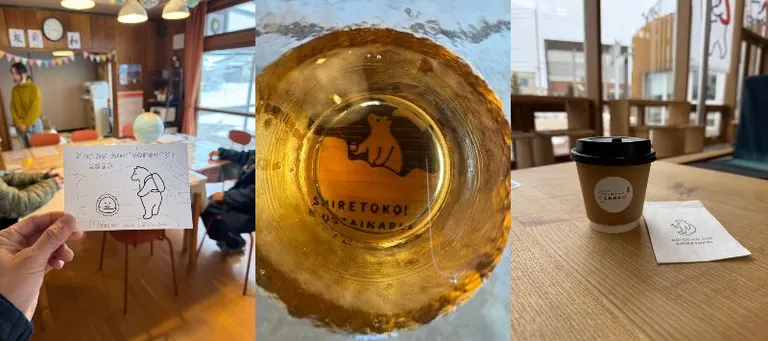
The logo features the same mark as owner Junko's tattoo.
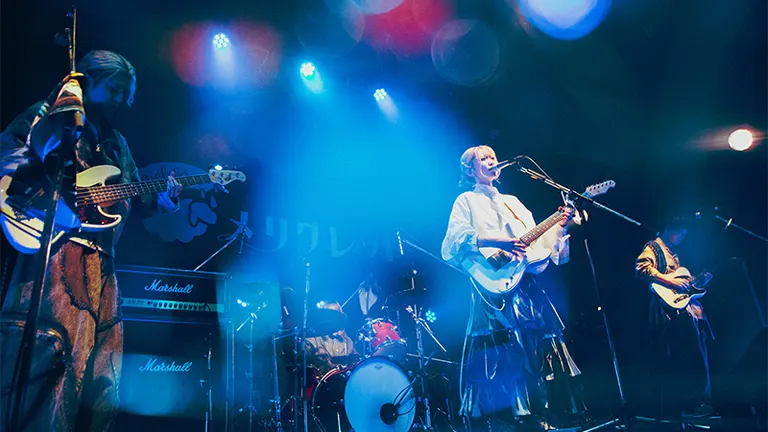
As she continued her business at the stall, she gradually began to envision her next steps. One of the catalysts for wanting to relocate was a live concert she held in her stall, featuring a singer friend. While the concert in a space that could only hold about 10 people was fun, she also felt it was a bit cramped. "I want to create a place where I can better showcase the charm of these people." This thought grew, and she began to imagine a space that could accommodate about 40 people, where people could gather and express themselves more freely.
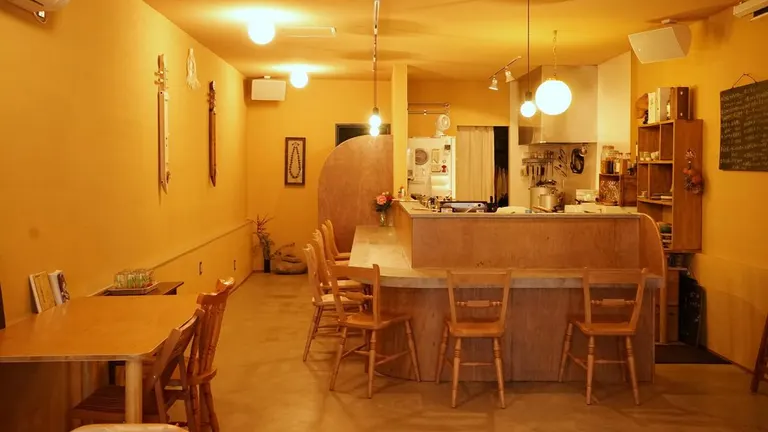
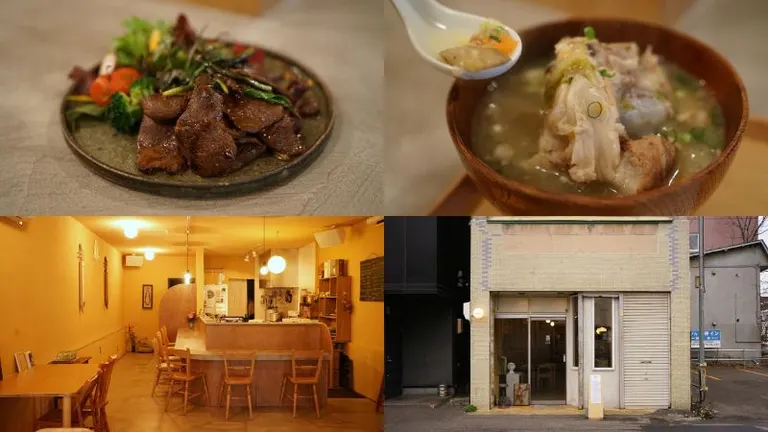
The carefully designed interior is simple yet tasteful, with Ainu influences felt throughout.
She wanted to create a place that could shine a spotlight on her artist friends and support their activities. This desire led to the relocation. And so, she chose the current location for her restaurant.
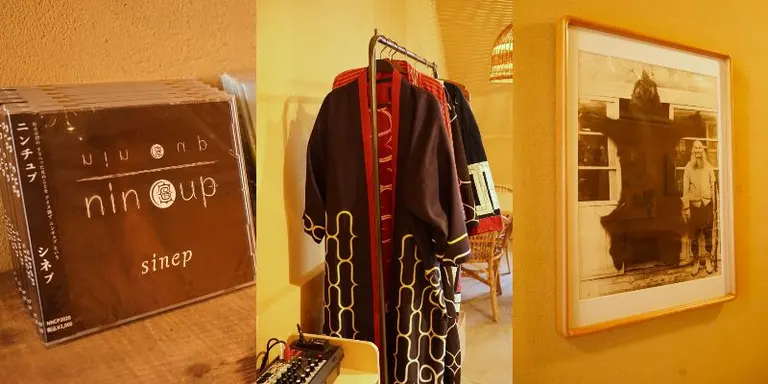
It's a fun space just to be in, with items like CDs from the Sapporo-based Ainu music band "nincup," as well as haori coats, bear photos, and books.
A Variety of Ainu Dishes Passed Down from Mother to Daughter, Still Eaten Today
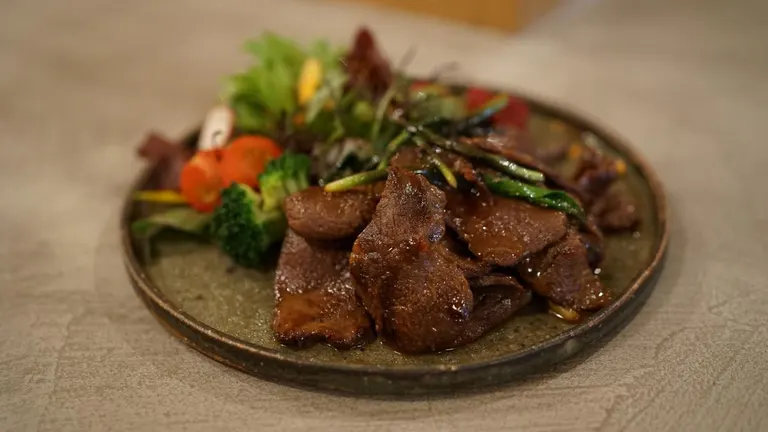
Tender and mild in flavor. The salad is also delicious. "Shiranuka Venison Genghis Khan (with salad)" for 1,320 yen.
If one were to perfectly replicate ancient Ainu cuisine, it would involve the entire lifestyle of the Ainu as a hunting people—hunting deer, gathering wild plants, and performing rituals. However, reproducing that exactly in a restaurant is not realistic.
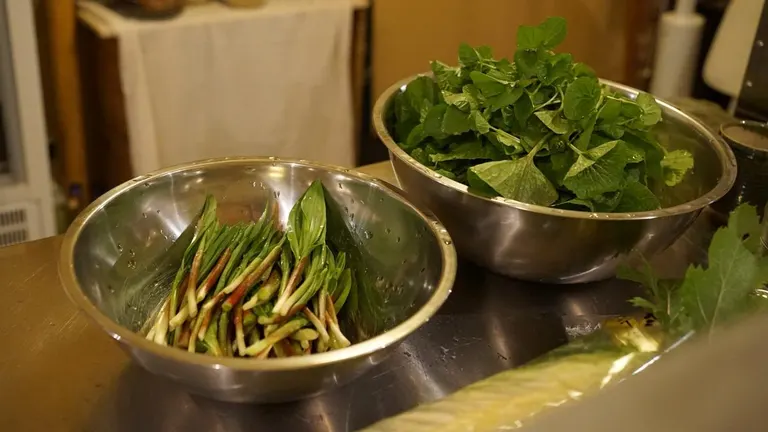
Alpine leek and leaf wasabi, foraged by the owner herself.
On the other hand, the Ainu people living today naturally carry on their culture in their daily lives. At Ponchise, they serve dishes while cherishing these "flavors that are still eaten today and Ainu traditions that they wish to pass on."
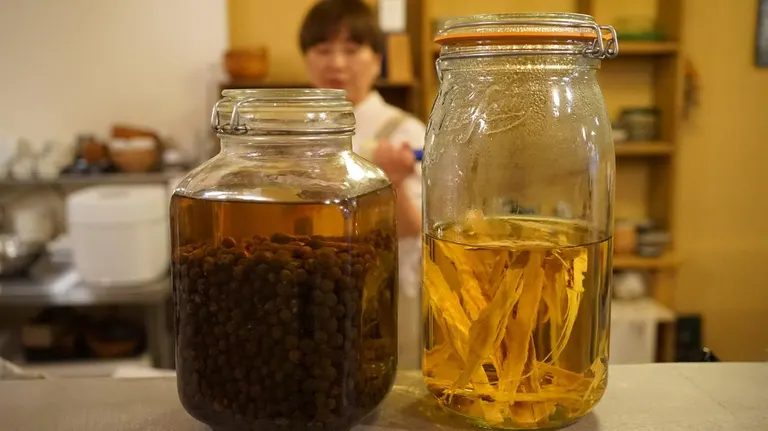
"Shikerebe-shu," a liquor made by infusing Amur cork tree berries and bark, for 880 yen.
"When I was a child, I ate Ainu food without thinking much about it. But when I got a little older, I realized that the people around me weren't eating it, and there was a time when I distanced myself from it," says Junko.
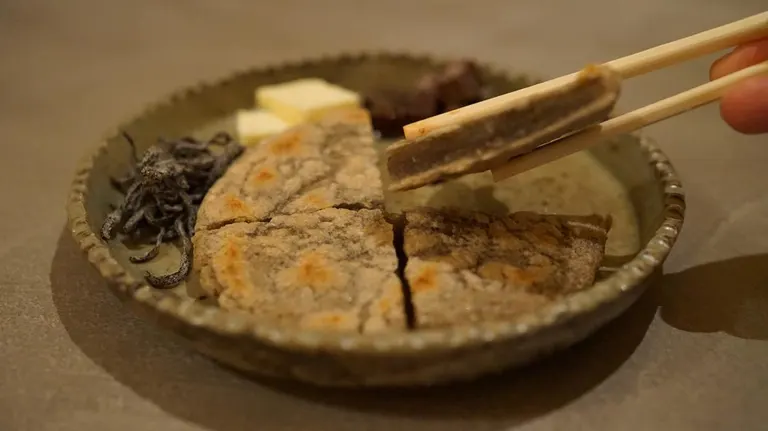
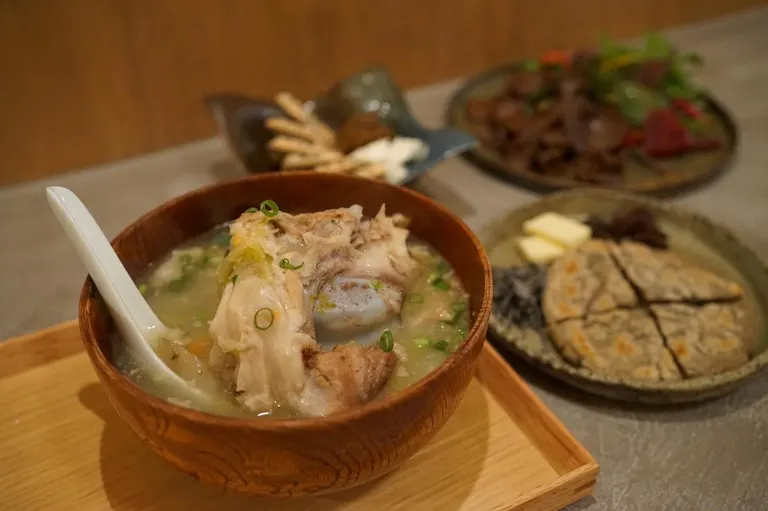
"Muninimo-shito," fermented potato dumplings, for 770 yen. Served with butter, salted kombu, and mefun (fermented salmon kidney).
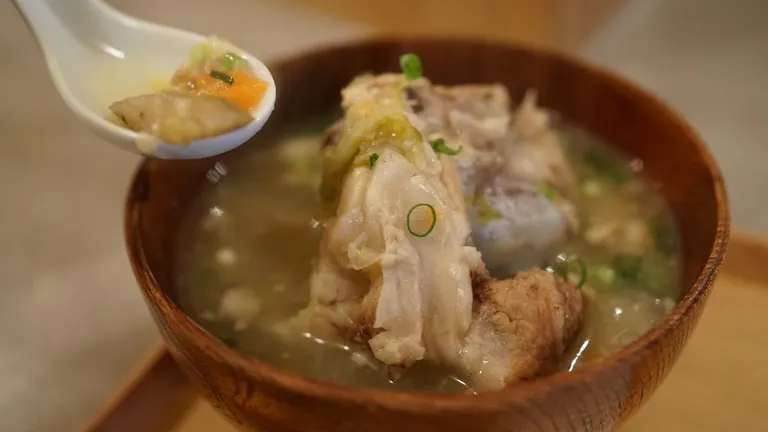
"Poneohau," a soup made with pork bones and vegetables, for 770 yen. Its gentle flavor warms the body.
Nevertheless, the flavors she grew up with are truly special. As she became an adult, she began to reconnect with Ainu cuisine. Her mother's cooking, imbued with all these memories, is the root of Ponchise's dishes.
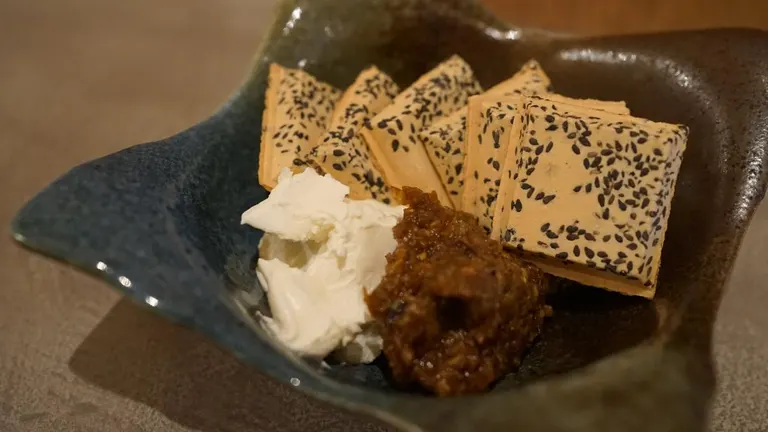
"Homemade Butterbur Miso & Cream Cheese with Nanbu Senbei" for 770 yen. This exquisite dish incorporates Nanbu senbei (rice crackers) as a nod to her father's roots in Hachinohe.
Various Events Held on Regular Closing Days, Sundays & Mondays
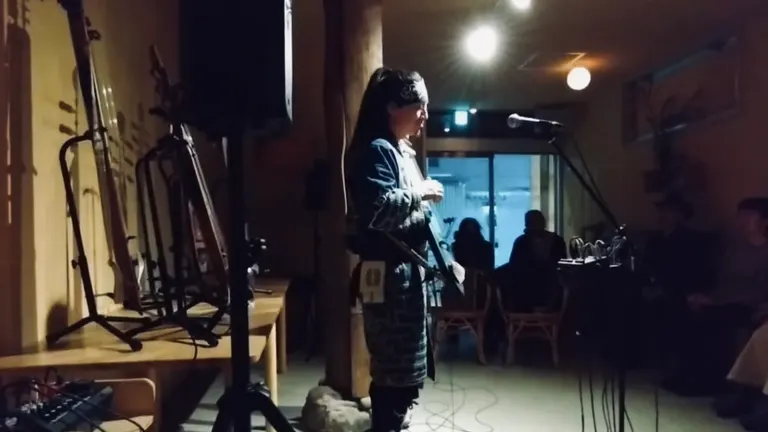
Ponchise is regularly closed on Sundays and Mondays. However, these are not quiet days off. The space hosts a variety of events, such as curry and biryani pop-ups, fundraisers for Myanmar refugees, live music, and workshops. On some days, the pop-up curry shop "saam" serves food, while on other nights, it transforms into a venue for Tonkori workshops or a wine bar.
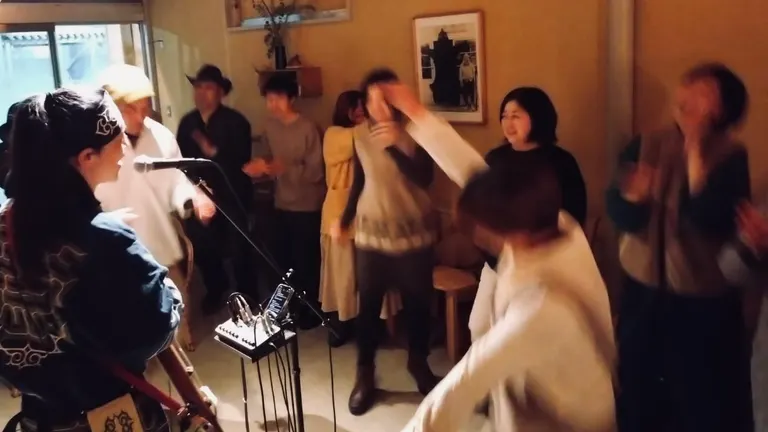
"Even for events I'm not hosting, I somehow end up showing up and drinking with everyone (laughs)." Perhaps thanks to Junko's personality, people naturally gather here. Ponchise can also be booked for private parties of 15 or more and is equipped with a screen and projector, making it a place that accommodates many people's "I want to try this" ideas.
New Lunch Service Started After the Relocation
A new addition after the move is the lunch service. This was not available during the Kita no Yatai days, and now customers can enjoy the taste of Ponchise during the daytime.
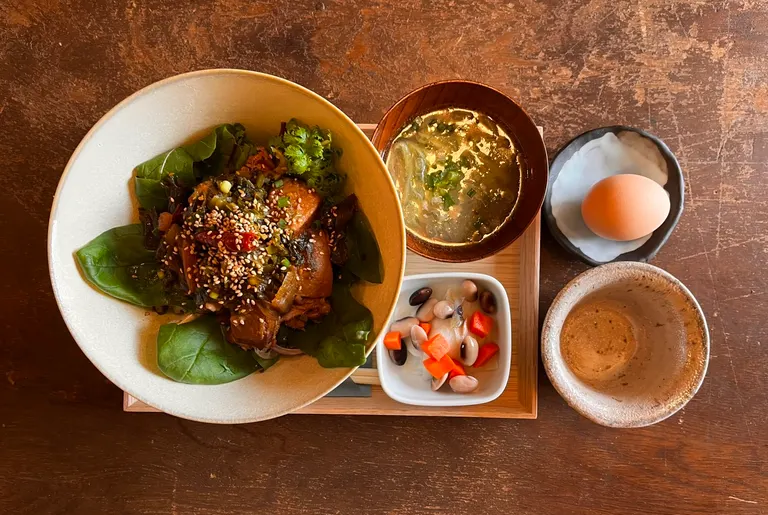
The newly launched lunch service. This is the "Shikerebe Spice Braised Pork Bowl" for 1,210 yen.
The menu includes dishes like the "Shikerebe Spice Braised Pork Bowl" (1,210 yen) and "Poneohau (with udon noodles)" (990 yen). The introduction of lunch service has led to an increase in female customers. Recently, thanks to the influence of the popular manga, anime, and movie series 'Golden Kamuy,' there has also been a rise in visitors from overseas, including South Korea and Taiwan.
Beyond the Restaurant: The Annual "Seimei Banzai Festival"
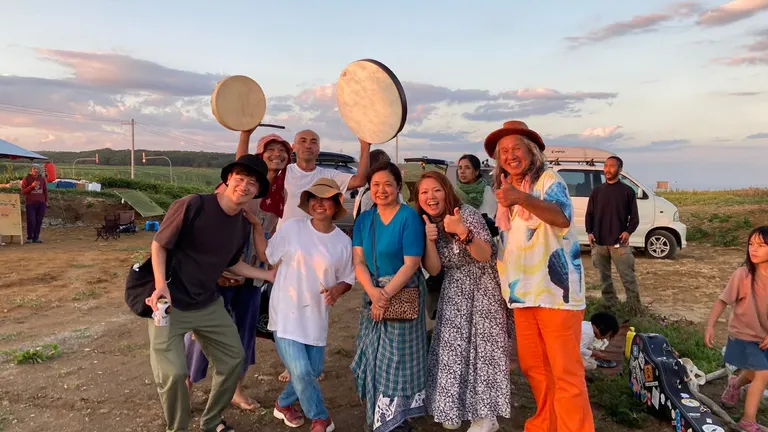
The "Seimei Banzai Festival" (Long Live Life Festival) organized by owner Junko.
Owner Junko also organizes the annual "Seimei Banzai Festival." This year will mark the fourth time the event is held, taking place in Tokachibuto, Urahoro Town, a location she fell in love with for its scenery.
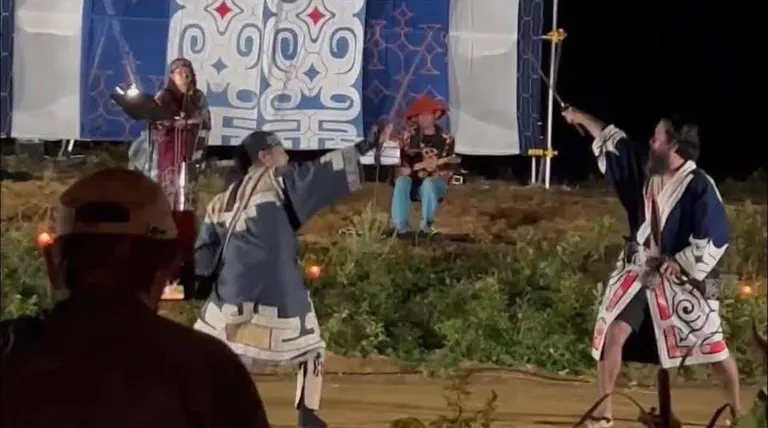
The 2026 event is scheduled for August 22nd and 23rd. It will feature a variety of activities, including a live performance by Yoko Toyokawa (owner Junko's sister), the singer of the Sapporo-based, globally active Ainu music band "nincup," as well as karaoke facing the sea, dancing, and more. Ponchise is not just a restaurant; it has become a hub for sharing Ainu culture.
*Lunch service will be suspended until after Golden Week for wild plant foraging and preparations for the Seimei Banzai Festival.
*All prices include tax.
 Ainu Home Cooking Ponchise
■Address: 16-4 Nishi 3-jo Minami 10-chome, Obihiro-shi
■Hours:
・Lunch: Wed, Thu, Fri 11:30 AM - 2:30 PM (L.O. 1:30 PM)
・Dinner: Tue, Wed, Thu, Fri, Sat 5:00 PM - 10:00 PM (L.O. 9:30 PM)
■Closed: Sundays & Mondays
*Events may be held on closed days.
Click here for details and map information for "Ainu Home Cooking Ponchise"
Writer Profile
Deer Woman / Editor Maya Nakamura
Originally from Miyagi Prefecture. She transitioned from being an editor at a gourmet media company to a hunter. Known by the nickname "Shikajo Mayamon," her motto is to savor life respectfully. She handles the entire process from hunting deer to butchering the meat. She is also active as a freelance editor, designing logos and pamphlets, writing, and planning events.