

ARTICLES
A Working Holiday in Hiroo: A Diary of Nature, Community, and Discovery in Hokkaido



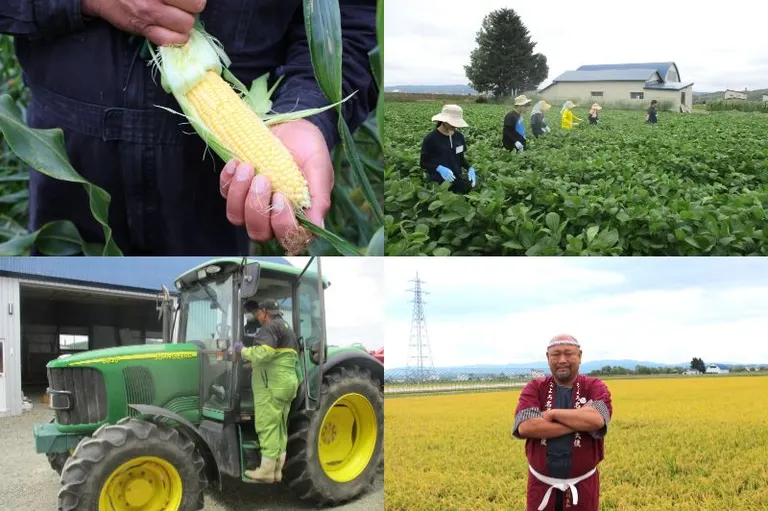
Hokkaido's Hiroo Town offers a "Furusato Working Holiday" program, a system that allows you to stay while getting a taste of the local primary industries. I'm a second-year student at Tokyo University of Agriculture, and I'd like to share my 11-day "Hiroo Biyori" (A Perfect Hiroo Day) experience interning at Kikuchi Farm.
Introduction
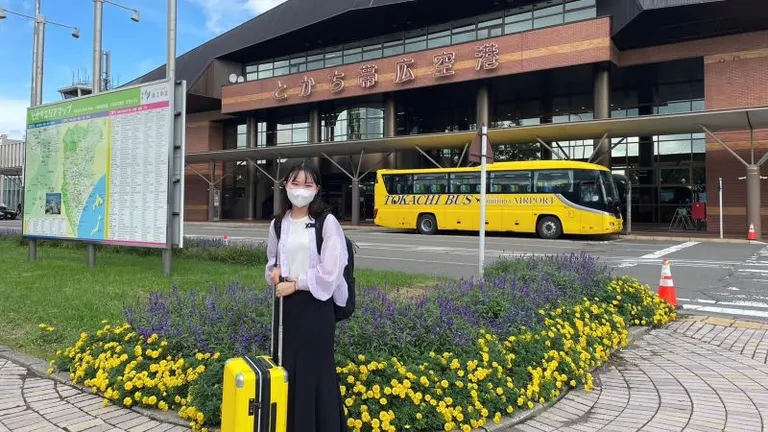
I'm a second-year student at Tokyo University of Agriculture who loves to travel. When I wanted to use my long vacation to experience places, people, food, and cultures I knew nothing about, the "Furusato Working Holiday" program seemed incredibly appealing. By getting involved in the "daily lives" of the people who live there, something you can't get from just sightseeing, I had so many new encounters and discoveries. And those encounters, discoveries, and experiences will last a lifetime.
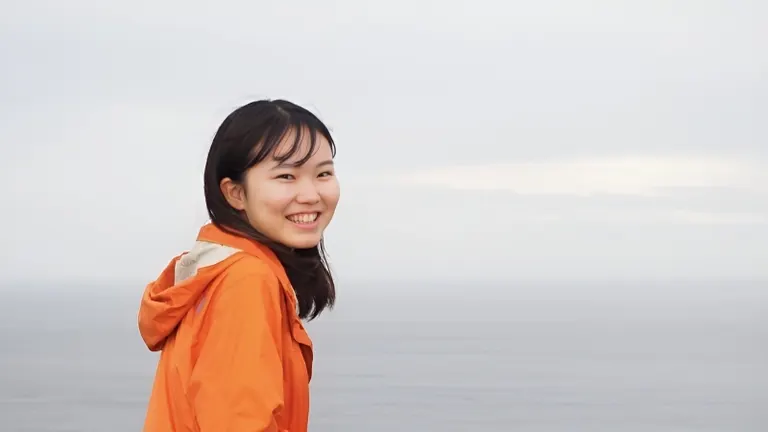
As a university student from Kanagawa Prefecture, I hope that by sharing my experience with the "Furusato Working Holiday," I can give back to all the people who took care of me in Hiroo.
Experiencing Primary Industries on Hiroo's "Furusato Working Holiday"
This time, I was hosted by Kikuchi Farm, a place that handles everything from milk production to sixth-sector industrialization (processing and sales), driven by the desire for people to 'feel closer to cows' and 'bring more people to Hiroo.' I mainly assisted with making processed goods, preparing for events in the Kanto region, and also got to experience feeding grain and milking the cows.
I thought milking would be a repetitive task, but each cow's udder has a different length and orientation. Some cows dislike being milked, while others come reluctantly. It made perfect sense when Mr. Kikuchi told me, "Cows are a lot like people."
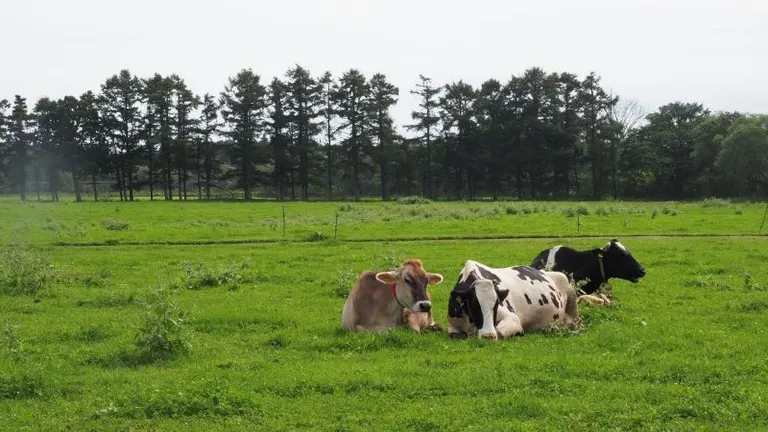
Raising cows and milking them. Dairy farming seemed like a repetitive cycle, but I discovered that, just like people, each cow is different, making the work constantly changing.
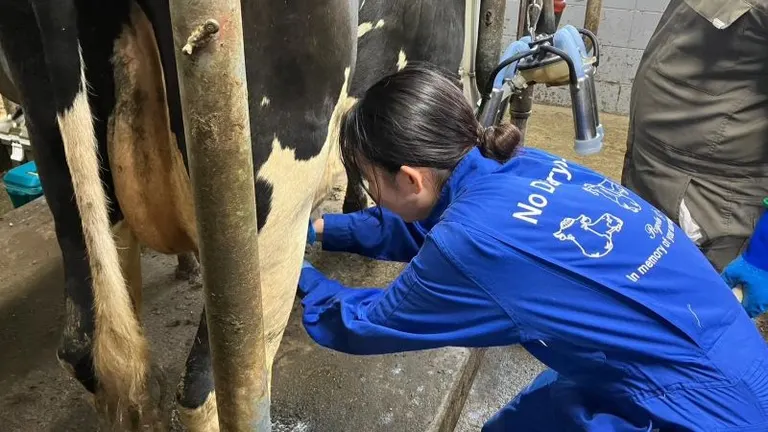
I also learned how to dry kelp (konbu) from Mr. Hoshi, a fisherman born and raised in Hiroo. You use centrifugal force to spread out and hang kelp that's taller than you are. Drying kelp is part of a fisherman's job, but it felt strangely similar to farm work. The dried kelp had a soft scent of the sea.
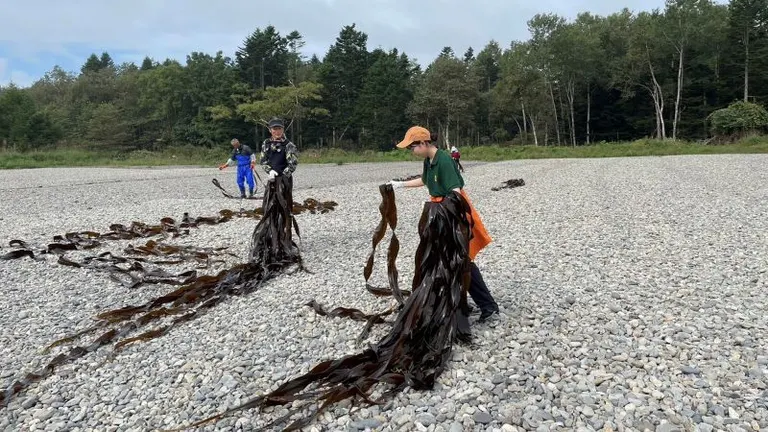
Besides that, my days were packed with countless experiences related to Hiroo's food and nature. I participated in the Tokachi Shrine festival, drove to the roadside station and Cape Erimo, went to hot springs, tried my hand at deer antler crafting, and joined a cooking class. I felt that the greatest appeal of the Hiroo Furusato Working Holiday is the diverse opportunity to experience primary industries, which are usually hard to get into.
My Home Base: The "Seaside House," a Hub for Locals and Visitors
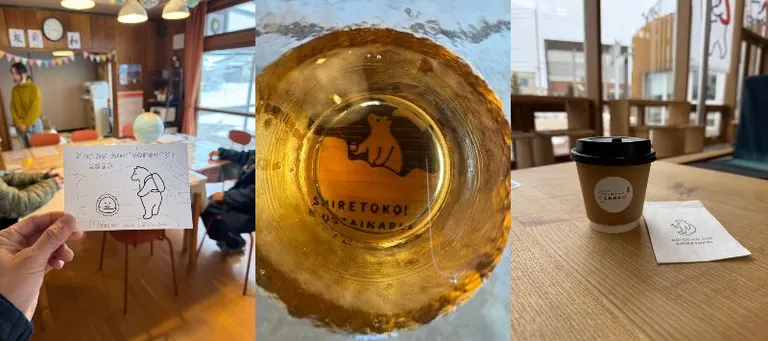
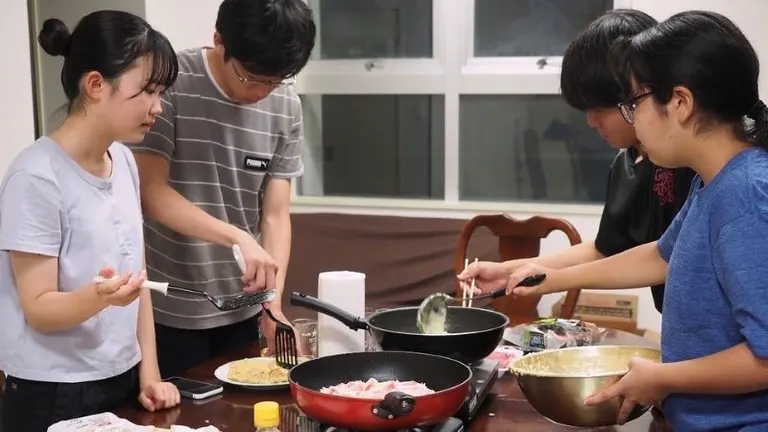
I stayed at a facility called the "Seaside House," which is managed by the Hiroo Town Agriculture and Forestry Division. It's like a training camp, combining a share house and a co-working space. It was a gathering place for many people, including those involved in community development and guests from outside Hokkaido.
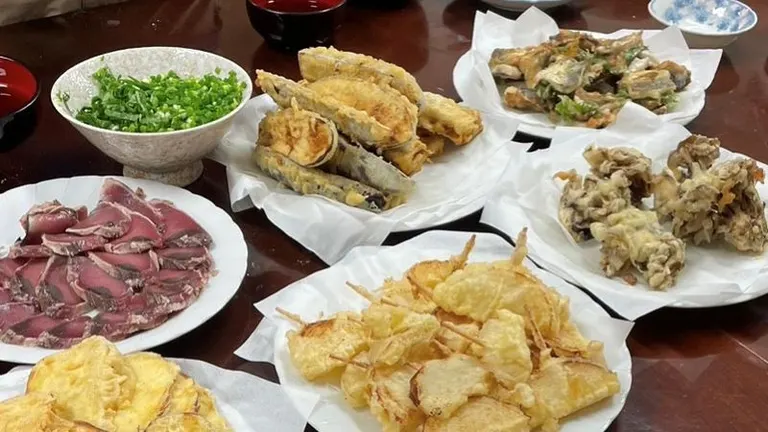
Thankfully, they had a rental car available, so I could freely go shopping. If you can drive, you can move around freely and comfortably. For shopping, there was a supermarket, a drugstore, and a convenience store about a 10-minute drive away. The house was also equipped with everything needed for daily life, like a bath, washing machine, kitchen, refrigerator, and hairdryer.
- 1
- 2