

ARTICLES
A New Wave for the Hokkaido Brand! Satkam Seta-nay's Delicious Challenge Begins with a View of the Sea of Japan



In Setana, a town in Hokkaido's Hiyama Subprefecture, preparations are underway to build a new workshop on a scenic hill overlooking the coast. Here, the sea shines emerald in the summer and is battered by fierce white waves in the winter. This is the future home of Satkam Seta-nay, a charcuterie (processed meat) and patisserie (confectionery) workshop founded by husband and wife Koudai and Yurina Takahashi, who returned to their hometown in 2020. This is their story.
Why a Michelin-Starred Chef Became a Charcutier
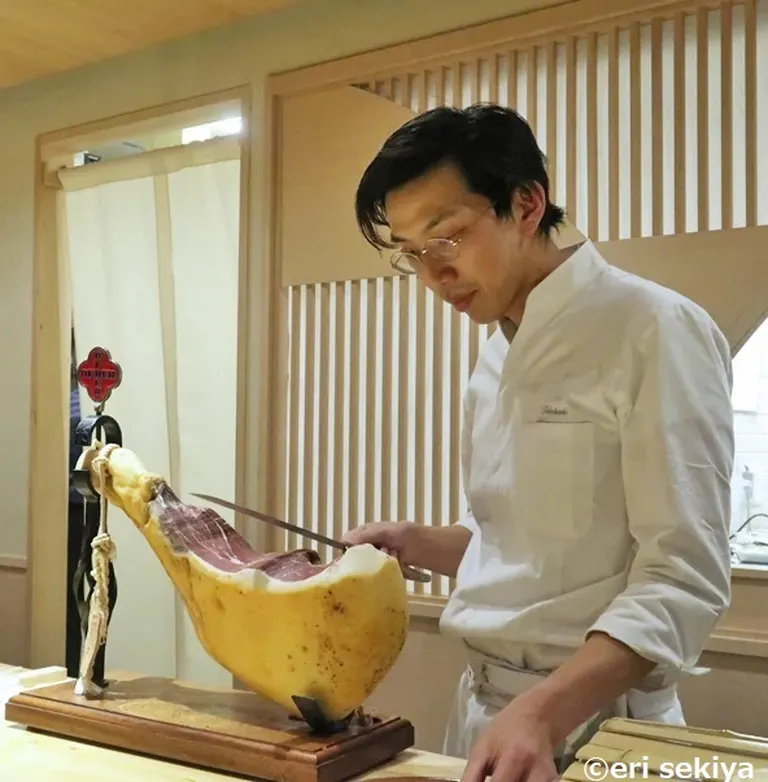
Koudai Takahashi, the charcutier of Satkam Seta-nay, pursued a culinary career that led him to France, where he taught at a culinary school for three years starting in 2010. He also trained at Michelin-starred restaurants in France. After returning to Japan, he worked at Michel Bras Toya in Hokkaido. He later co-founded Kyoto Ito, which fuses French techniques with Japanese culinary traditions, and as the head French chef, alongside Japanese head chef Kenji Okawara, earned a Michelin star.
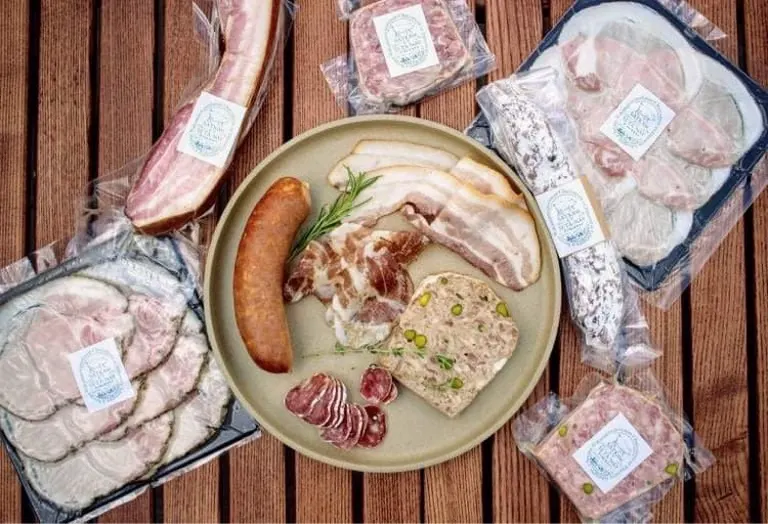
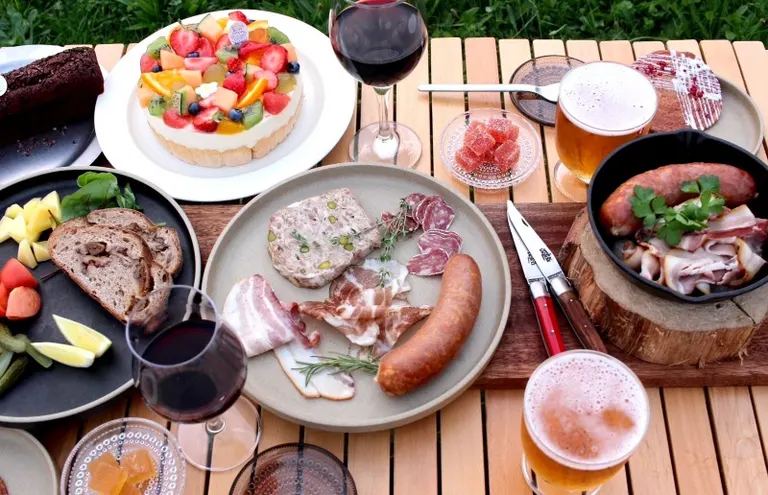
Ever since his time in France, where he was deeply impressed by French food culture, Koudai had dreamed of using Hokkaido's incredible ingredients to create delicious charcuterie and share its appeal with a wider audience. In 2020, he and his family moved back to his hometown of Setana, Hokkaido. While working in the family pig farming business, Takahashi Chikusan Co., Ltd., managing everything from breeding to raising, he also sold processed products like dry sausages and sweets on weekends.

Satkam Seta-nay became so popular that it drew customers from outside the town, but production was limited. This led to the decision to open an independent business, and they are now proceeding with the construction of a workshop in the Futoro district of Setana.
Fusing the Ainu Food Culture of "Satkam" with Modern Tastes
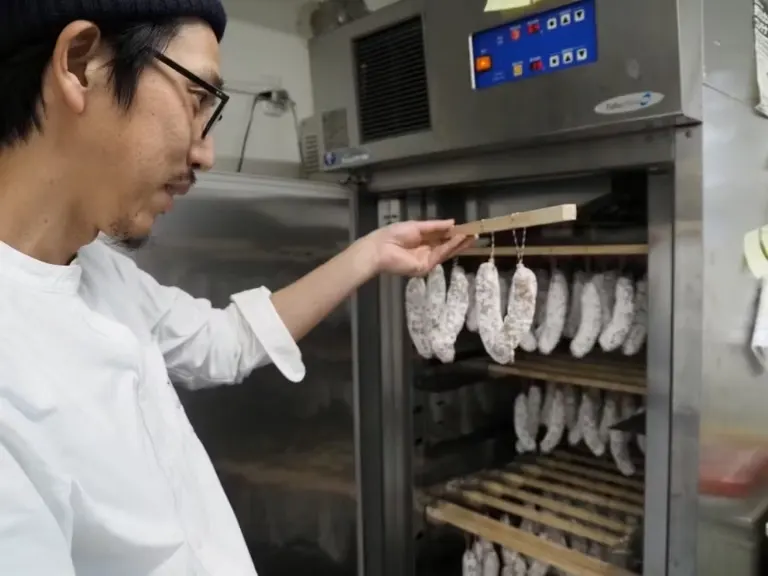
As Koudai reflected on the European and French food culture behind processed meats like dry sausage, he felt that simply importing it to Japan would result in a mere copy. It was then that he learned about "Satkam," a food culture passed down through generations of the Ainu people in Hokkaido.
Satkam is a type of dried meat, a preserved product made by drying and aging venison or other meats. When Koudai learned of this, he saw a connection to the food culture of prosciutto and dry sausage. He realized that by using the meat processing techniques and knowledge he had learned in France to create a "completely new Satkam" adapted to modern food culture and tastes, he could enrich Hokkaido's culinary landscape and make his hometown an even more attractive place.
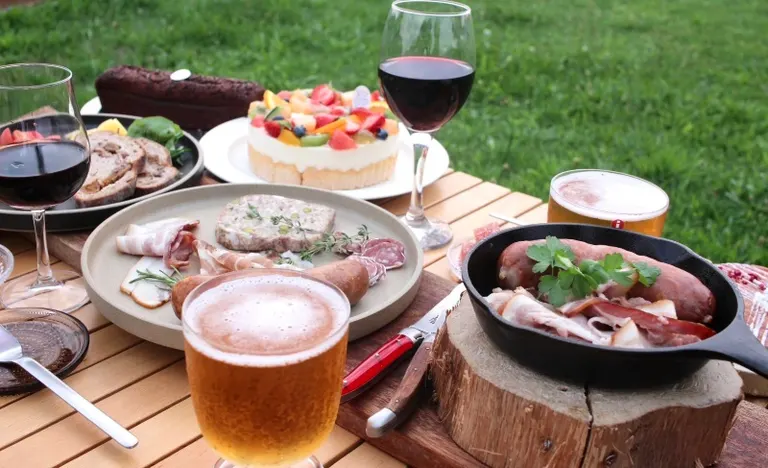
By fusing "Satkam," a unique cultural tradition of the indigenous Ainu people, with modern meat processing techniques and culinary culture, something entirely new is being born. This adds a new layer of depth to the Takahashis' vision of "total food coordination," a motto that encompasses everything "from appetizers to dessert."