

ARTICLES
A New Wave for the Hokkaido Brand! Satkam Seta-nay's Delicious Challenge Begins with a View of the Sea of Japan



A Workshop with a Breathtaking View and Products Harnessing Rich Natural Energy
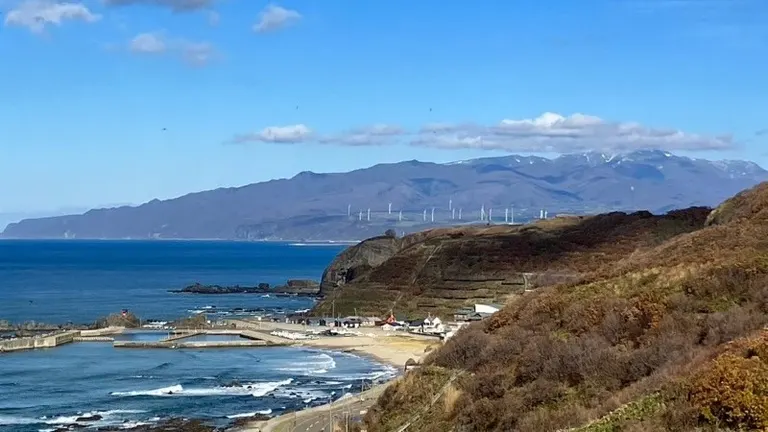
The workshop is being built on a hill overlooking the Sea of Japan near Kariba-Motsuta Prefectural Natural Park on the Futoro coast of Setana, offering a spectacular view. It's a place that's "not easy to get to," accessible only by private car. It's about a 3.5-hour drive (226 km) from New Chitose Airport, Hokkaido's main air gateway, and about a 2-hour drive (134 km) from Hakodate Airport.
Setana, located at the westernmost tip of Hokkaido, is also known as the "Town of Wind." It actively utilizes clean energy, harnessing the characteristically strong winds from the Sea of Japan with 24 power-generating windmills. The building for the workshop is located in a former villa area developed about 30 years ago with a focus on natural energy and moving away from fossil fuels, featuring then-rare wind power generation.
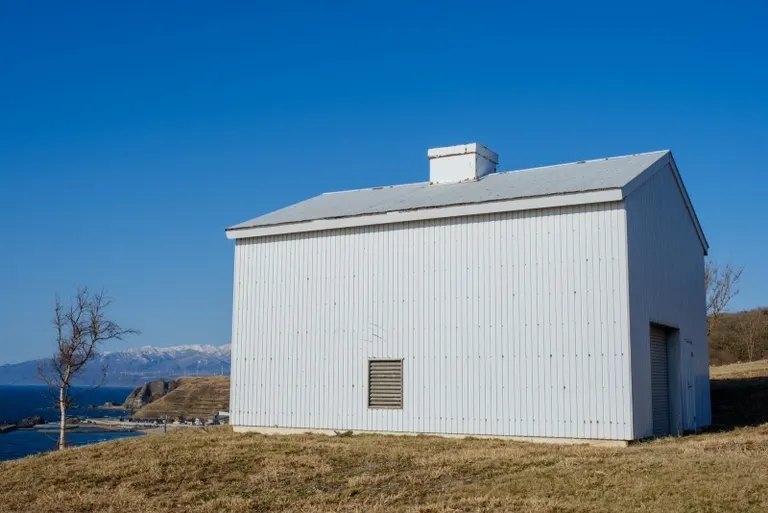
This building was originally intended to serve as a refrigerator (icehouse) for the villa area from spring to summer by storing water, letting it freeze during winter, and using the cold air from the ice. However, the villa development was halted due to factors like the Hokkaido Nansei-oki Earthquake. The building was never used as an icehouse and has since been preserved by local volunteers. Feeling a sense of destiny in their encounter with this building that seems to embody the very climate of Setana, the Takahashis decided to renovate the modest, single-story structure into a two-floor space for meat processing, confectionery production, and a shop.
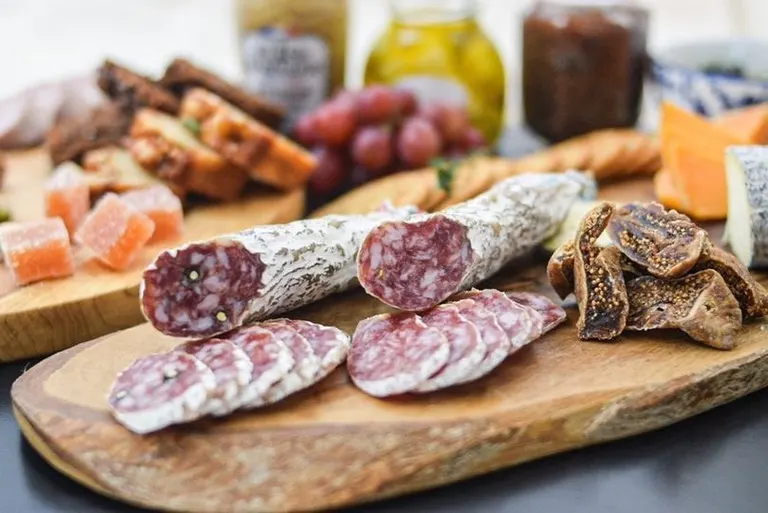
The aging rooms for prosciutto and dry sausage, the most crucial part of the workshop, will use a system that circulates cold water to maintain a stable cool temperature, a design that can later be integrated with the icehouse mechanism. By circulating chilled water of around 10°C through a radiator, a cool space is created, keeping the product temperature stable even if the ambient air temperature fluctuates slightly. This equipment is ideal for storing foods that require slow aging and a refrigerated environment.
In this wonderful region, they aim to create products that leverage Hokkaido's attractive ingredients and climate, with an eye toward incorporating natural energy into their manufacturing methods in the future.