

ARTICLES
Stay Like a Local in Urahoro, Tokachi: Hahaha Hostel, a Secret Hideaway Full of Local Charm



A Hostel Founded by a Former Community-Reactivating Cooperator Who Knows Urahoro Inside and Out
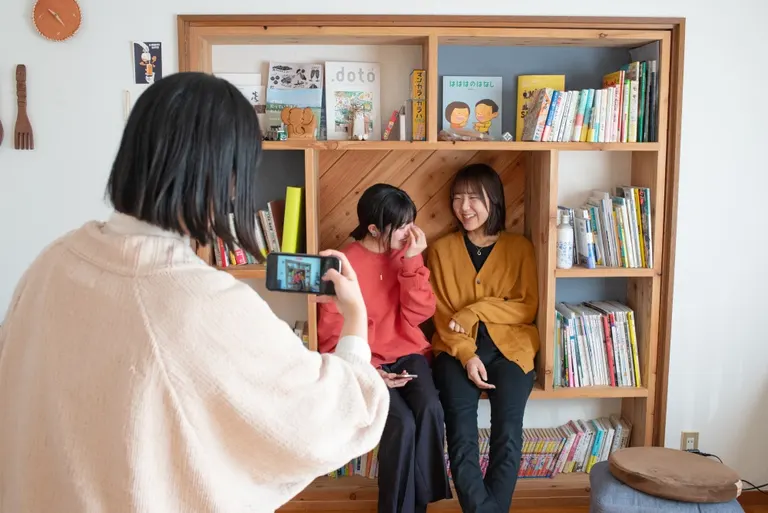
The bookshelf in the common living room, crafted by a furniture maker from Urahoro.
Urahoro is a small town with a population of about 4,000, located roughly a one-hour drive from both Obihiro and Kushiro. It's in this town that you'll find Hahaha Hostel. The facility was founded by Akira Komatsu, who is involved in various projects to revitalize Urahoro, such as promoting migration and running the "Torinome Shoten" store. Mr. Komatsu was formerly a member of Urahoro's Community-Reactivating Cooperator Squad.
At the time, the main accommodation in Urahoro was a long-established ryokan in front of the JR station, which was often fully booked. Even when they organized birdwatching or coal mine tours to attract people to the town, there was nowhere for them to stay, preventing them from deeply experiencing the charm of Urahoro. He decided to create a hostel to solve this problem.
The building is a former dormitory for the "Shinrinshitsu" (Forestry Office), over 35 years old. Starting at the end of 2020, they began a self-renovation project with the help of local residents, and Hahaha Hostel opened in July 2021.
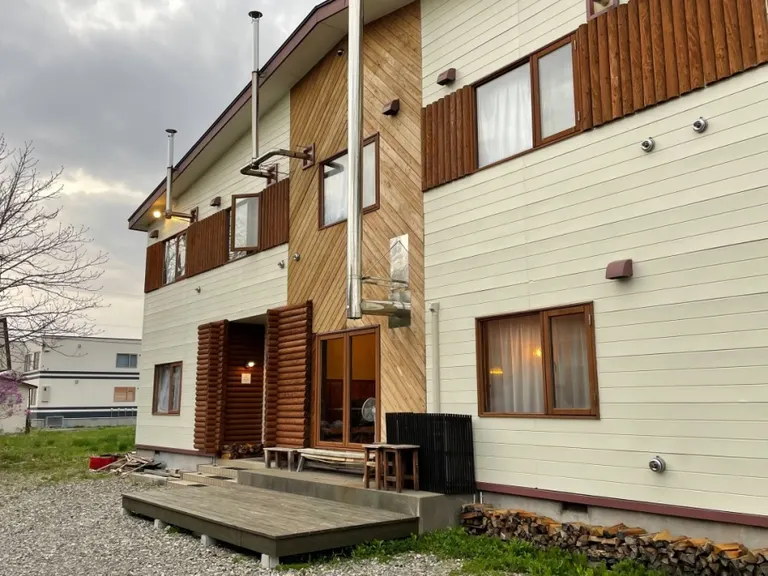
Self-renovating the former dormitory.
A key focus of the self-renovation was the abundant use of wood. The log-house-like exterior reflects the desire to cherish the region's identity as a "town of forestry." In particular, the Western-style rooms on the second floor had their original tatami mats removed and were fitted with solid wood flooring from Urahoro. Even several years after opening, you can still catch the faint scent of wood.
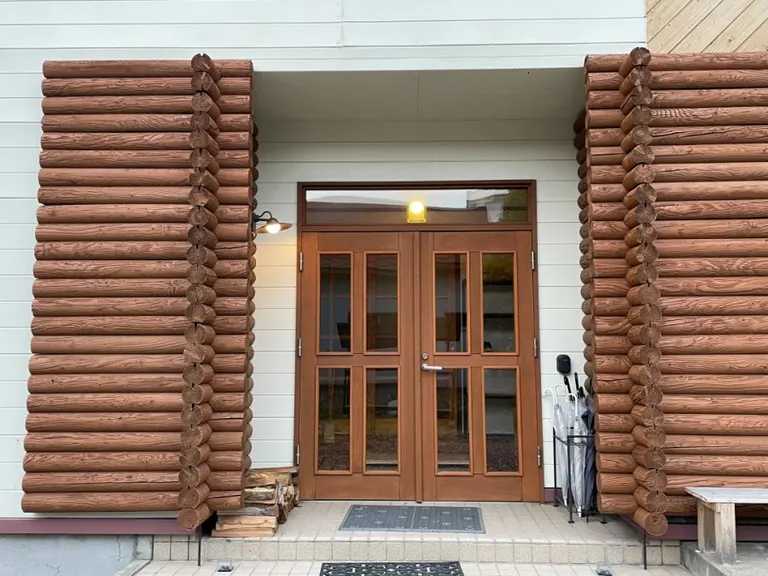
The main entrance, rich with wood.
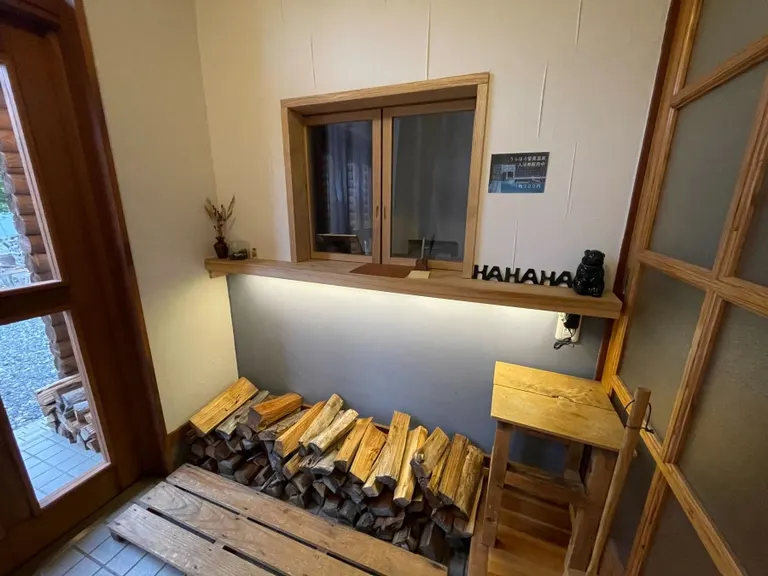
The check-in counter is immediately to the left upon entering.
So, what kind of space awaits in these rooms packed with Urahoro's local character? Let's take a look!
Perfect Rooms for a Quiet Retreat to Work or Read
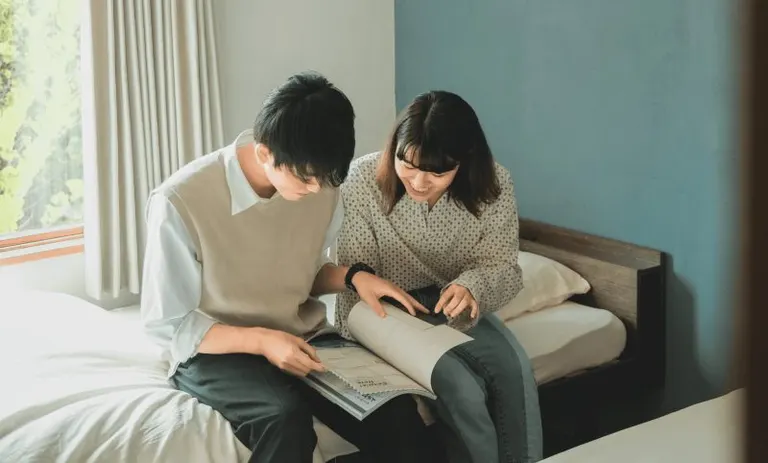
Hahaha Hostel has a total of eight rooms: seven Western-style and one Japanese-style. All of them are private, so you won't have to share with other guests. They are perfect for those who aren't fond of dormitories or are looking for a quiet retreat for work or reading.
The six single/twin rooms are especially well-equipped with a table, chair, and a workspace created by converting a former closet into a desk. Thoughtful details like extension cords are also provided. The rooms are so comfortable that most guests on business trips tend to spend their time holed up inside.
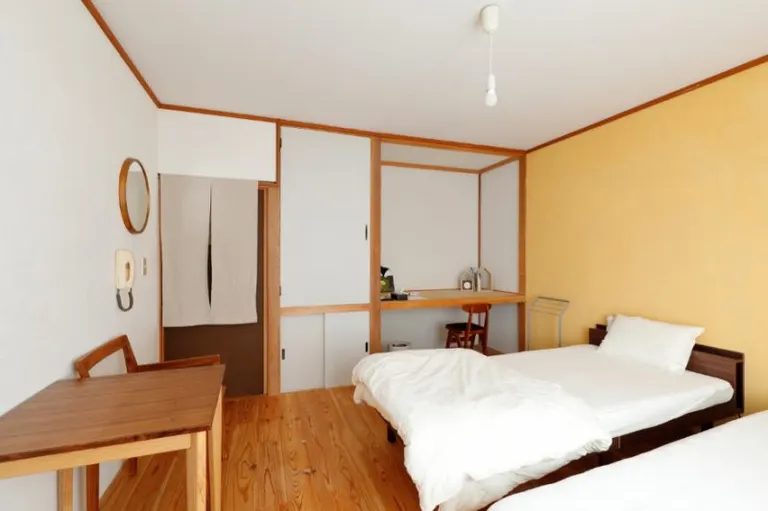
A single/twin room. Equipped with a table, chair, extension cord, TV, hanger rack, air purifier, heater, and circulator fan.
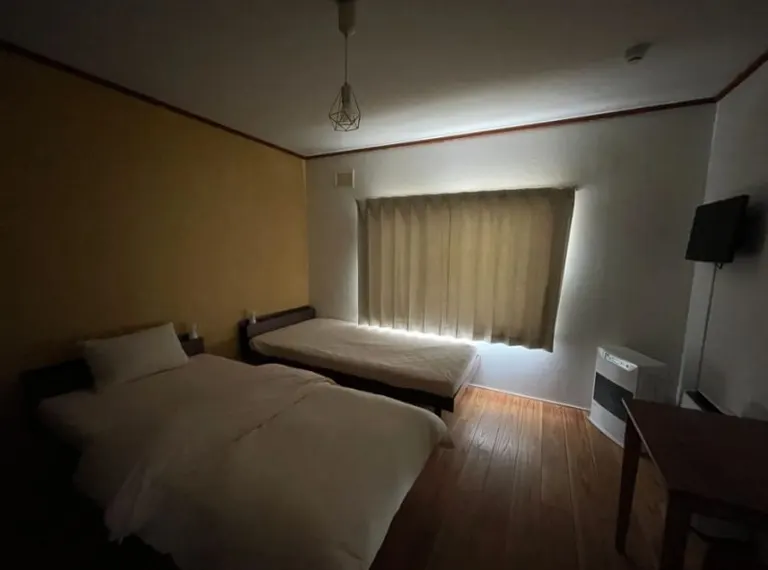
Soft morning light streams in (curtains are the same in all rooms).
For groups of three, the triple room is recommended. In addition to the main room light, there are individual bed lights, which are handy when you want to read a bit longer after everyone else has gone to sleep. The Western-style rooms come in three different wall colors, so which room you get is part of the fun.
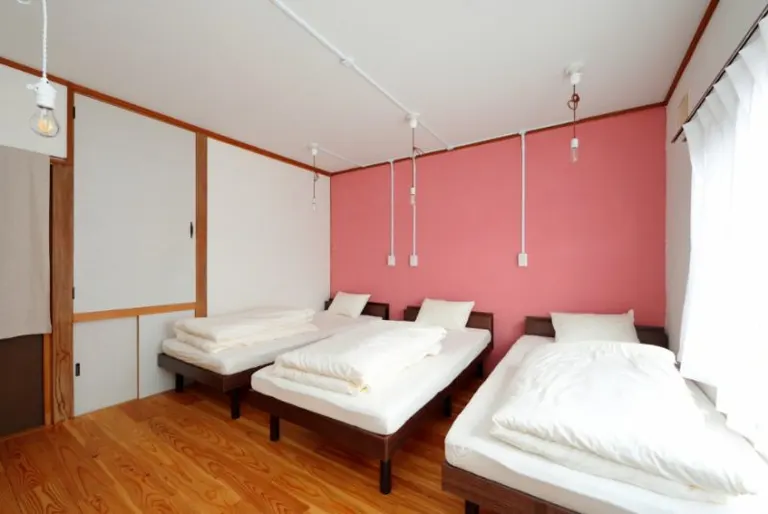
The triple room is equipped with a folding table, folding chairs, extension cord, TV, hanger rack, air purifier, heater, and circulator fan.
There is also a Japanese-style room on the first floor where you can sleep on futons. Since it doesn't require using the stairs, it's recommended for those with mobility concerns or families with children.
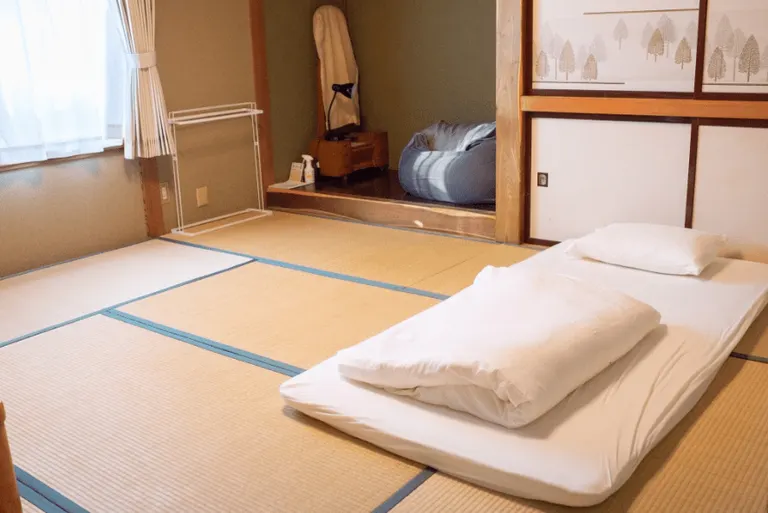
The first-floor Japanese-style room is also recommended for elderly guests with mobility concerns or families with children.
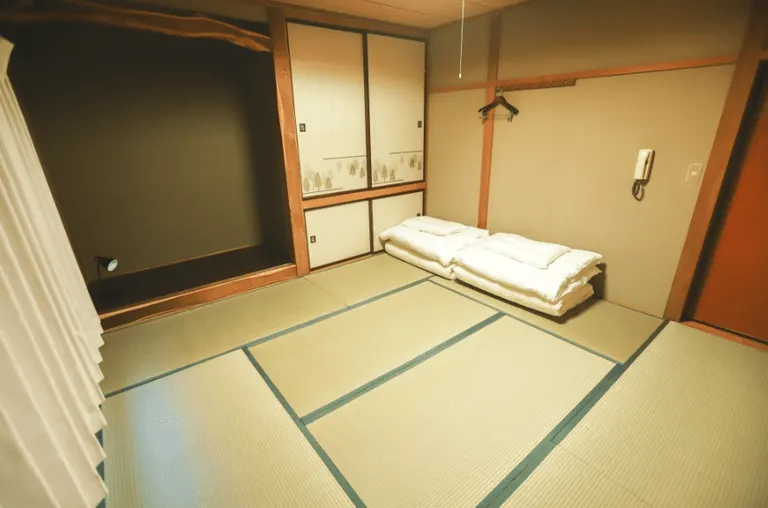
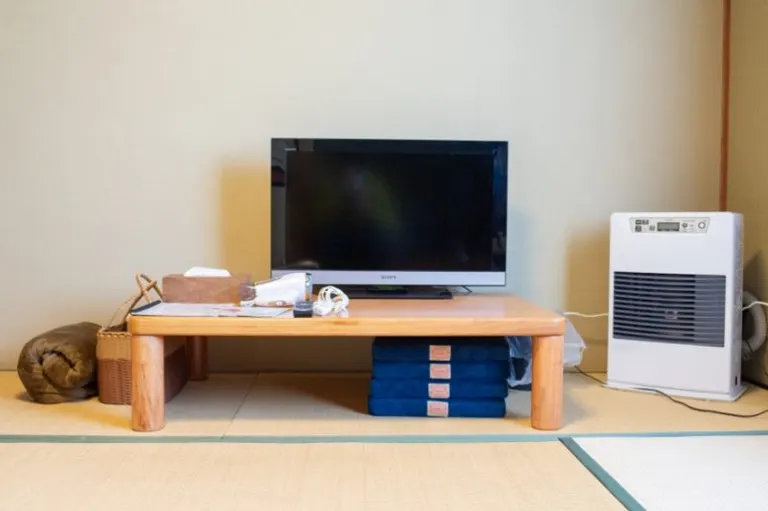
The Japanese-style room is equipped with a table, zabuton cushions, extension cord, TV, hanger rack, heater, circulator fan, and hairdryer.
While all rooms are private, the toilets and showers are shared. The shower room on the first floor is simple, with a shower and a changing area, and is equipped with a place for luggage, a towel rack, and shampoo, conditioner, and body soap.
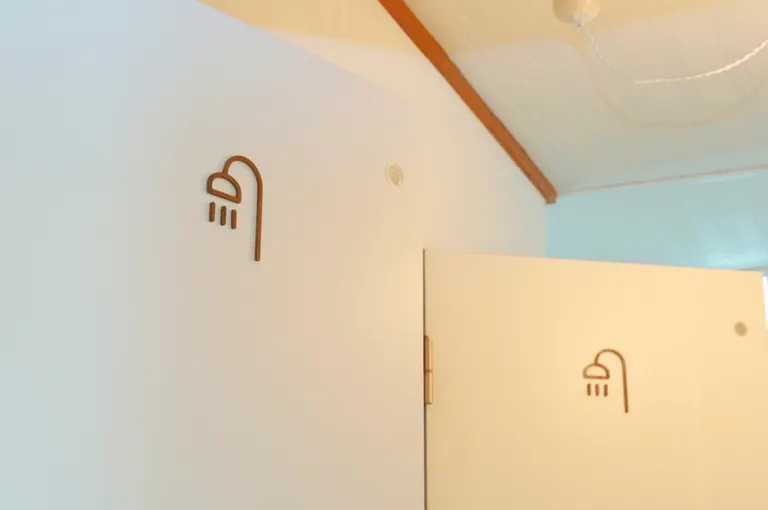
The shared shower room on the first floor.
Also on the first floor is a washstand area. With a large mirror and hairdryer, it's easy to get ready. A nice touch is that you can try testers of lotion and emulsion from "rosa rugosa," an organic cosmetic brand that uses Hamanasu (Japanese rose), the town flower of Urahoro.
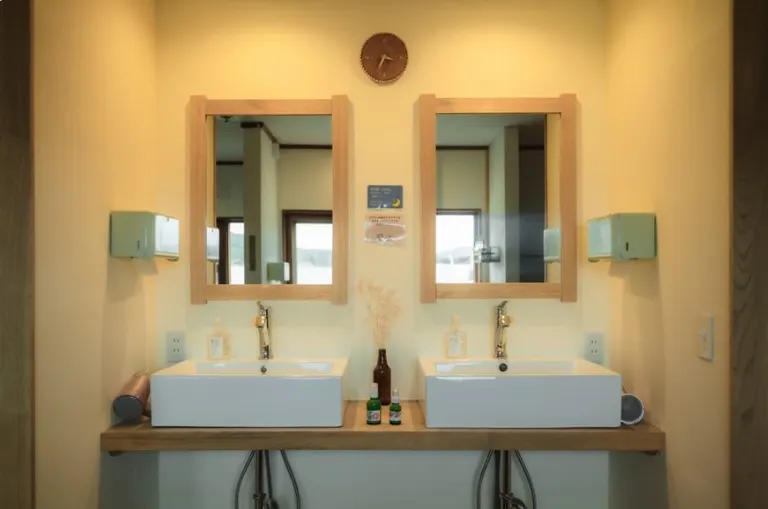
The washstand area on the first floor.
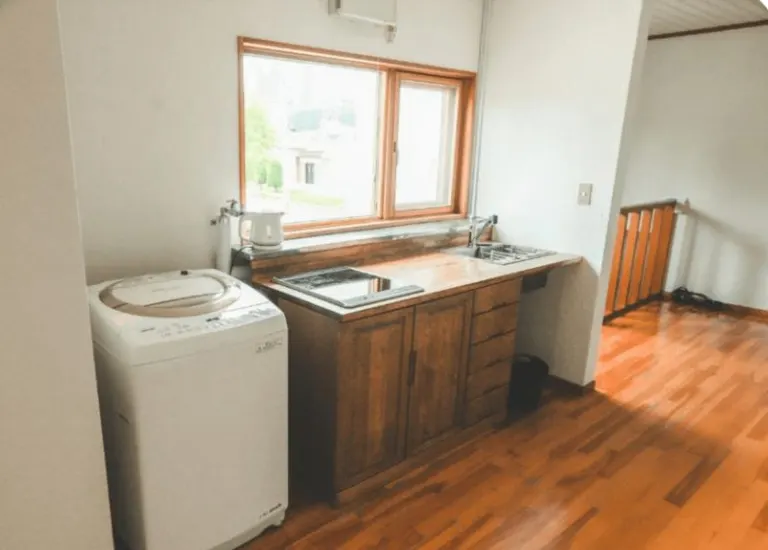
The shared kitchen on the second floor is available for all guests. It may look compact, but it's well-stocked with basic cooking utensils and appliances, including dishes, cups, cutlery, seasonings like soy sauce, cooking sake, salt, and pepper, as well as a frying pan, cutting board, knife, refrigerator, microwave, kettle, and toaster.
You can enjoy cooking with local ingredients bought at "Michi-no-Eki Urahoro" or "The Vegetable Shop 21." For long-term stays, buying ingredients and living like a local could be a great experience.
You can also add an optional breakfast to your stay. A handmade sandwich prepared by the staff is placed in the refrigerator the night before, so you can eat it whenever you like. These hearty sandwiches are very popular with guests and look incredibly satisfying.
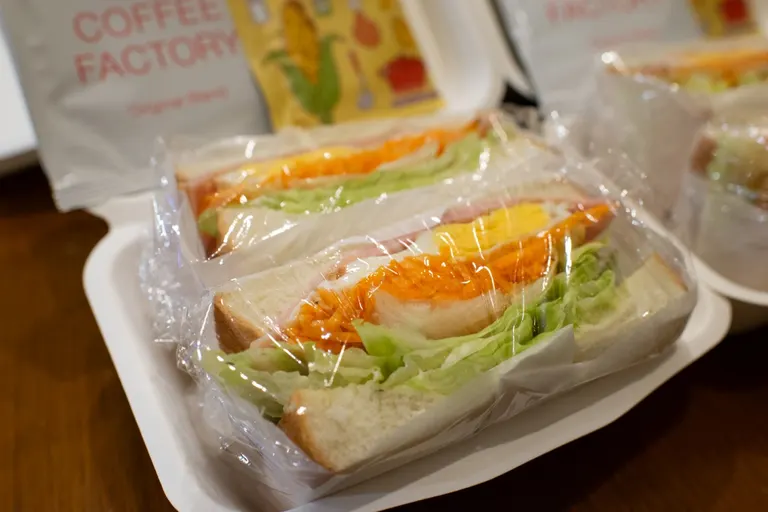
There are few shops in Urahoro that open early in the morning. If preparing breakfast in advance seems like a hassle, we recommend adding the breakfast option when you book.
Spend Your Time as You Please in a Space with a Wood-Burning Stove
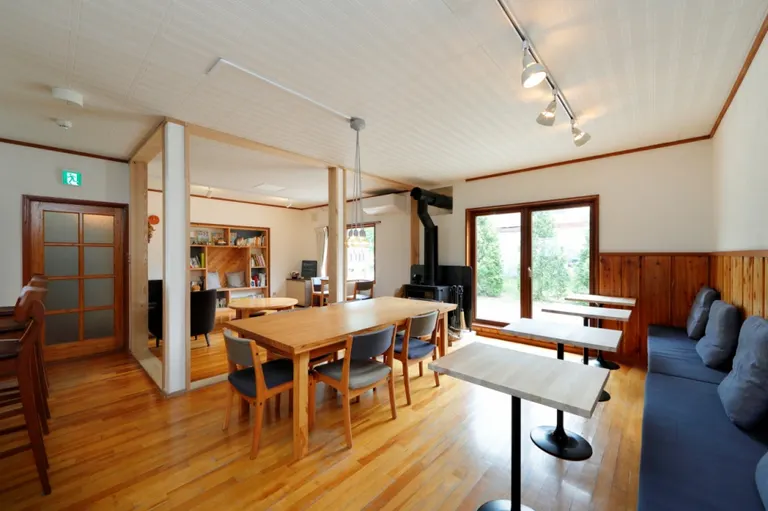
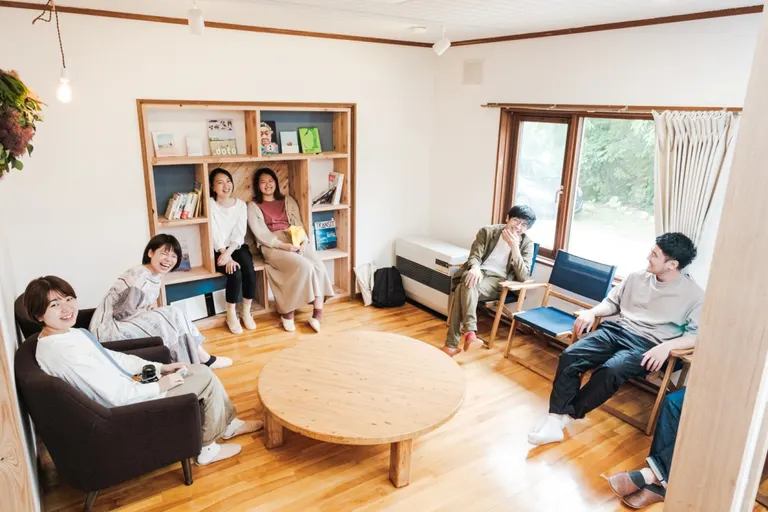
Next up is the shared living room. Here you'll find a large table, single-seater sofas, a bench, a wood-burning stove, a bookshelf, and a cafe bar. While catering to the demand for quiet retreats, this space also welcomes those who want to interact with other guests and staff or simply relax in a more spacious area.
You can eat and drink here, so it's often used by families and friends who want to enjoy a meal in a larger space. Of course, it's also recommended for those who want to work or read while feeling the lively presence of others.
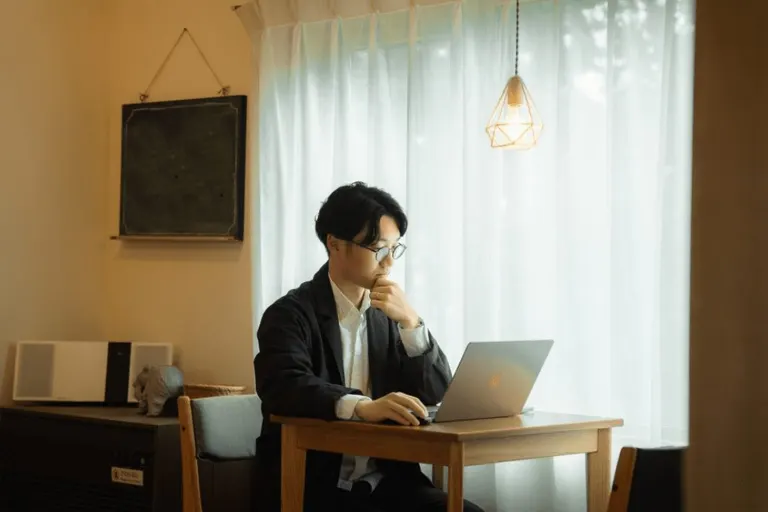
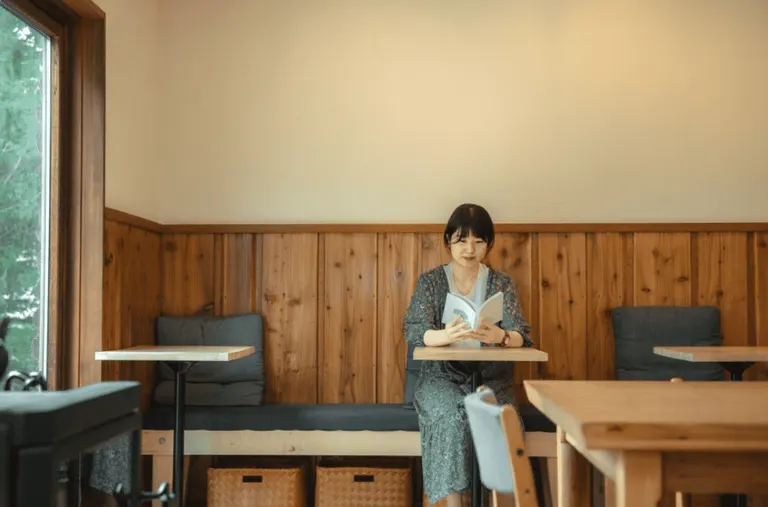
The common area also has a cafe bar. Although it's primarily for guests, sometimes locals drop by to share vegetables. Currently, only drinks are served, and to encourage guests to visit nearby eateries, bringing your own food is allowed.
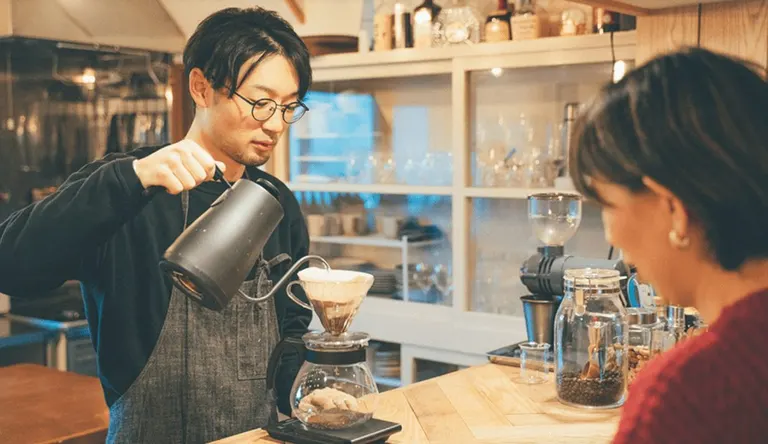
One of Urahoro's characteristics is its many long-loved restaurants with rich histories. However, some of the owners who have aged with their establishments are considering retirement. It might be a good idea to visit the local restaurants to create your own memories, thinking, "That Neapolitan pasta was delicious."
Endless Ways to Enjoy, from "Natural Jewels" to Local Life
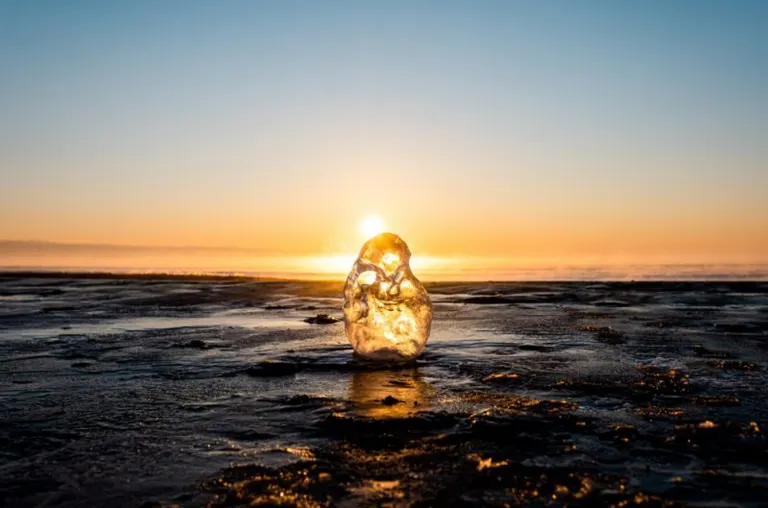
"Jewelry Ice," a gem created by nature.
Urahoro may not be a typical "tourist destination," but it's full of things to enjoy. One of them is Jewelry Ice. This phenomenon occurs when ice from the Tokachi River flows into the Pacific Ocean and is washed ashore. Tumbled by the waves, the sharp edges are smoothed away, making the ice sparkle like beautiful jewels. The best time to see it is from mid-January to late February, a very cold period, but it's great to have an activity to enjoy even in winter.
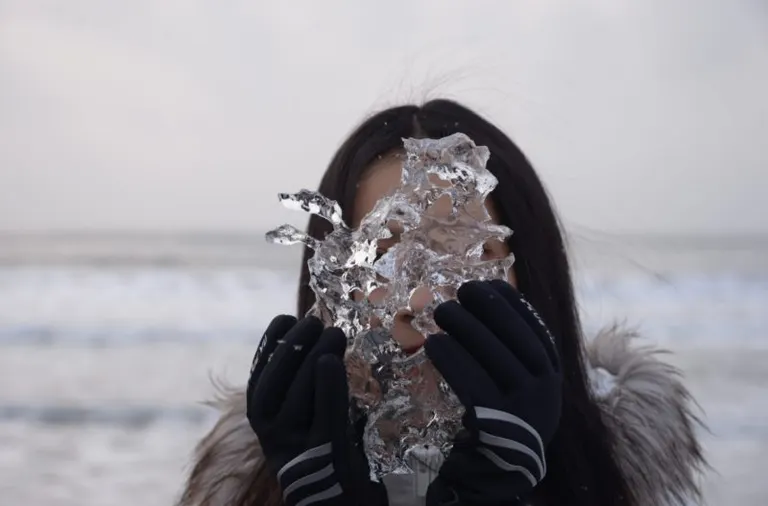
It's also fun to hold up the ice like a mask.
Birdwatching is also highly recommended when staying at Hahaha Hostel. Urahoro is said to be an ideal spot for birdwatching because its diverse environments, including fields, primeval flower gardens, forests, and wetlands, provide various habitats and feeding grounds that attract a wide variety of birds.
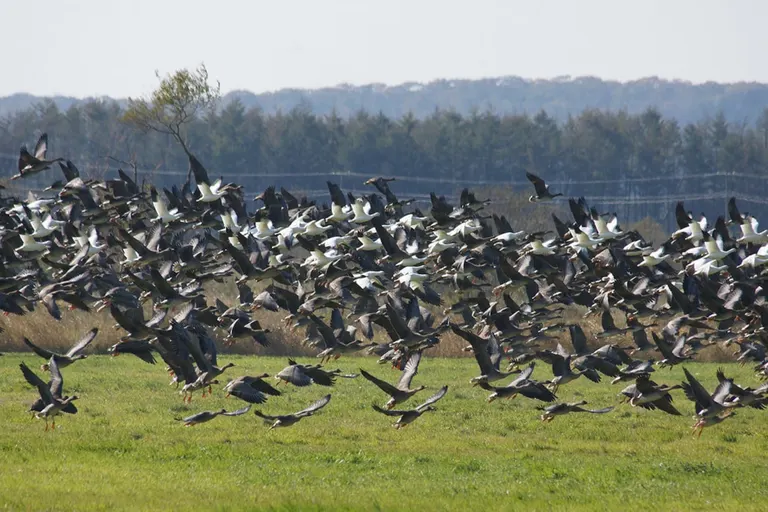
Many birds are most active in the early morning, but their behavior naturally changes with the time, weather, and season. For those who want to increase their chances of seeing a specific bird, a stay of several days is recommended.
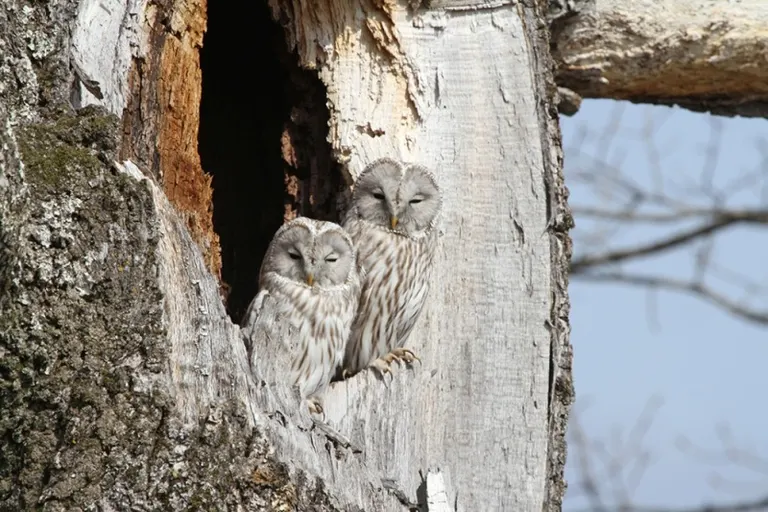
Urahoro also offers custom-made birdwatching tours led by a local guide who has been observing wild birds in the area for many years. All tours are private, with the local guide driving you, making them great for both beginners and seasoned birdwatchers from afar. In the summer, many people also enjoy cycling.
While we've focused on tourism, the true charm of Urahoro lies in its "way of life." A diverse and unique environment has been created by the mingling of long-time residents and a growing number of new residents in their 20s and 30s who have moved here over the past decade, creating a brackish water-like community.
Arisa Kudo, who manages Hahaha Hostel, says, "You come to appreciate the town's charm gradually as you stay longer and connect with the thoughts and stories of the local people." Hahaha Hostel is also looking for helpers who can stay for free in exchange for helping out at the inn. If you're interested in truly experiencing the town's appeal, why not consider a long-term stay?
 Hahaha Hostel
■Address: 70-2 Saiwaicho, Urahoro, Tokachi-gun, Hokkaido
■Phone: 070-8415-8885
Click here for details and map information for "Hahaha Hostel"
<DOTO Young Discount × Hahaha Hostel>

■Hahaha Hostel's Special Offer: 10% OFF per night (applicable for any number of nights)
For more details on the "DOTO Young Discount," please see this feature page.
Writer's Profile
Nonoka Sasaki
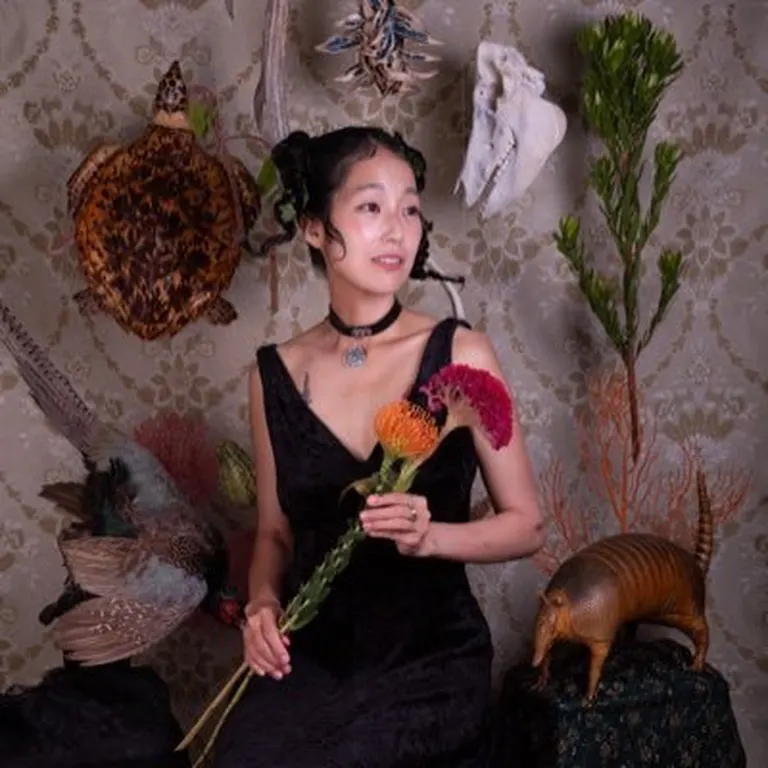
Born in Otofuke, Hokkaido in 1990. She moved to Tokyo for university and became a freelance writer in 2015. In 2021, she returned to her hometown of Tokachi, where she now lives with a horse, two cats, and a child, and pursues deer as a hunter in the winter. Her books include "Searching for Love and Family" and "On Loving Oneself (or about happiness)" (both from Aki Shobo).