

![Enjoy Rich and Fluffy TKG at Home! A Special 'Tamago Kake Gohan Set' with Select Ingredients from Pippu, Hokkaido [Pippu Town x Domingo]|Domingo](https://p1-634a4370.imageflux.jp/w=768,f=webp:auto,q=78/https%3A%2F%2Fdomingo.ne.jp%2Fwp%2Fwp-content%2Fuploads%2F2021%2F09%2F2de202fd3c665d7c7909dade328faed6.jpeg)
ARTICLES
Enjoy Rich and Fluffy TKG at Home! A Special 'Tamago Kake Gohan Set' with Select Ingredients from Pippu, Hokkaido [Pippu Town x Domingo]



For four weeks, we'll be bringing you information on how to enjoy the town and its special local products.
In this second week, we're kicking off the first giveaway of the Pippu Town and Domingo collaboration! The special product we're introducing today is the "Exquisite 'Rich Tamago Kake Gohan Set' from Pippu, Hokkaido."
Enter via this tweet!
When entering, please be sure to read the Giveaway Campaign Guidelines carefully before applying./
— Domingo(公式) | 市町村公認!北海道の情報メディア (@cfm_domingo) September 13, 2021
フォロー&RTで#濃厚たまごかけごはんセット が当たる!
\
北海道比布町の厳選素材を集めた「たまごかけごはんセット」を5名様に #プレゼント 🥚🍚🎁
▼応募方法
①@cfm_domingo をフォロー
②この投稿をリツイート
▼〆切
9/20(月)#北海道 #比布町 #TKG #グルメ https://t.co/HYf00D1wVN
What is the Exquisite 'Rich Tamago Kake Gohan Set' from Pippu, Hokkaido?
This set includes rice, eggs, and a special soy sauce made with Senbon Negi green onions, all painstakingly produced in Pippu Town.
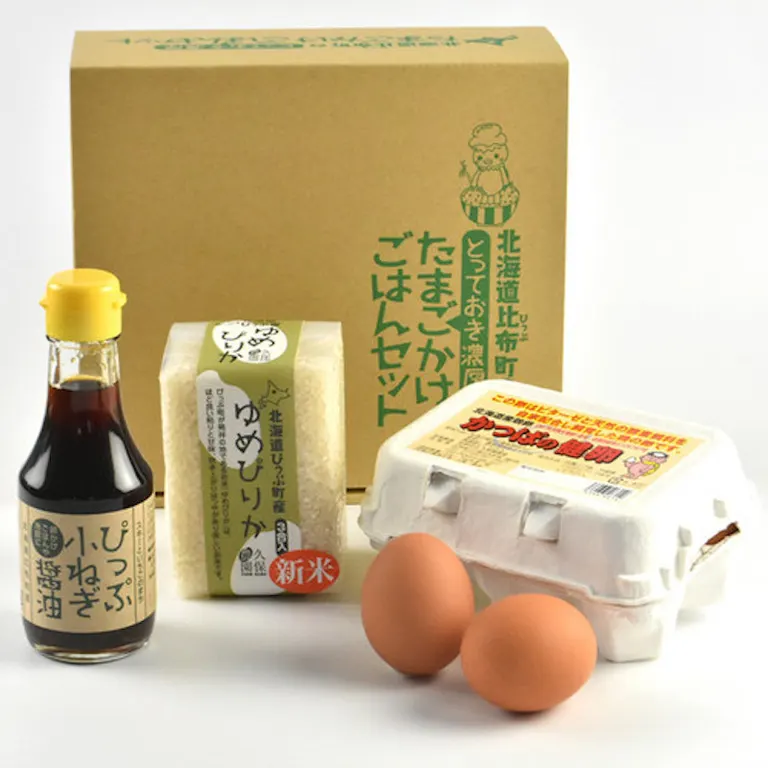
Photo courtesy of Hokkaido Pippu Shoten
Crack an egg over freshly cooked rice and drizzle with soy sauce—it's the simplicity of "Tamago Kake Gohan" (raw egg on rice) that makes the quality of the ingredients paramount.
Why not enjoy this "All-Pippu" Tamago Kake Gohan, a perfect combination that brings together the town's prized Yumepirika and Nanatsuboshi rice, Kappa no Kenran eggs, and a special green onion soy sauce that connects and enhances them both?
Photo courtesy of Hokkaido Pippu Shoten
Now, let's dive into the details of the rice, eggs, and the special soy sauce made with Senbon Negi green onions!
Pippu Town's Prized Rice: "Yumepirika" and "Nanatsuboshi"
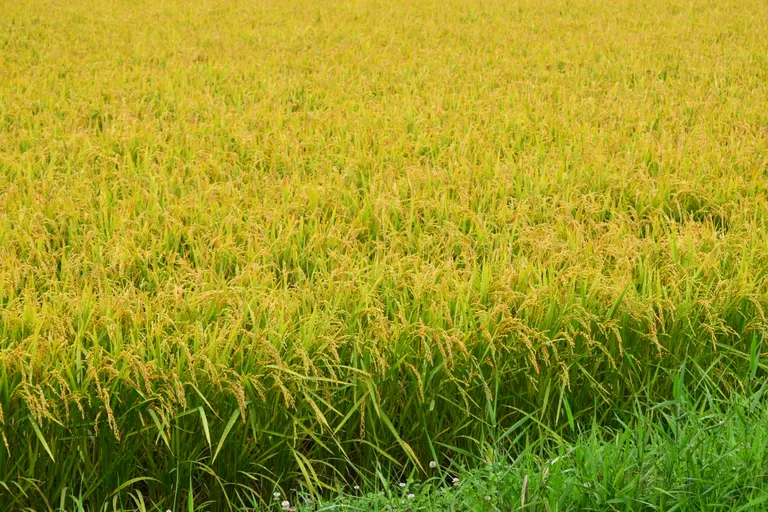
Agriculture is the main industry in Pippu Town, and it's a major rice-producing area, with rice accounting for 66% of its agricultural output.
The town cultivates various rice varieties, including "Yumepirika," considered the pinnacle of Hokkaido rice technology after years of breeding improvements; "Nanatsuboshi," which has a great balance of stickiness and sweetness and tastes delicious even when cold; "Emimaru," a new variety expected to become widespread due to its suitability for direct seeding; and "Kirara 397," a long-selling, ever-popular variety widely used in restaurants.
From among these, this set includes two 2-go servings (approx. 300g each) of "Yumepirika" and "Nanatsuboshi." You can even compare the tastes of the two rice varieties!
"Yumepirika" cooks up beautifully glossy, with a rich sweetness and chewy texture, and is said to be the highest peak of Hokkaido rice.
In fact, Yumepirika originated at the Kamikawa Agricultural Experiment Station in Pippu Town. It's a rice variety developed over a decade with the desire to grow delicious rice in the cold region of Hokkaido.
"Nanatsuboshi" cooks up shiny without the grains losing their shape. It has an excellent balance of flavor and texture and is delicious even when cold. It's widely used at the dinner table and in bento boxes, and is said to be the most eaten variety in Hokkaido.
Being able to compare these two types of new-crop rice is a true luxury, isn't it?
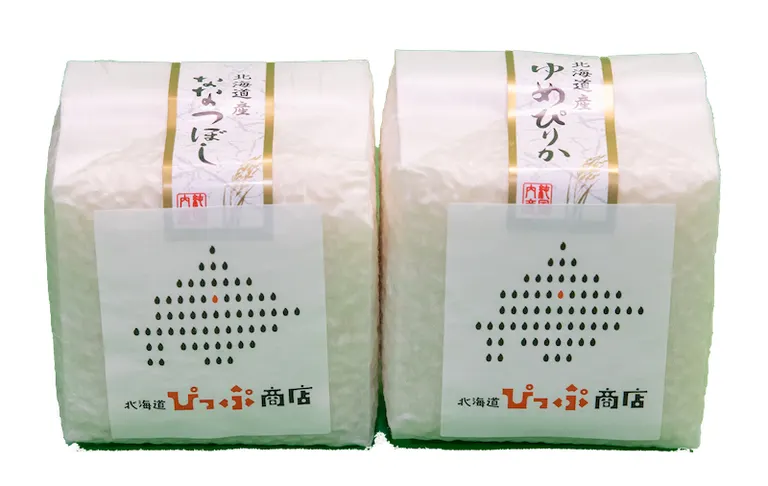
Photo courtesy of Pippu Town
And now is the perfect time for the new rice harvest!
We deliver freshly milled new-crop Yumepirika and Nanatsuboshi rice in 2-go, single-serving-sized vacuum-sealed packs to lock in the freshness. When you open the package, you'll be greeted by this year's new rice, grown with care in Pippu Town.
"Kappa no Kenran" Eggs, Made with Meticulously Selected Feed
"Kappa no Kenran" are eggs produced at the Okuma Poultry Farm with a relentless focus on the chicken feed.
The most distinctive feature of these eggs is how delicious they are raw. They are plump, rich, and deep in flavor, yet lack the unique smell some raw eggs have, making them a must-try even for those who dislike raw eggs.
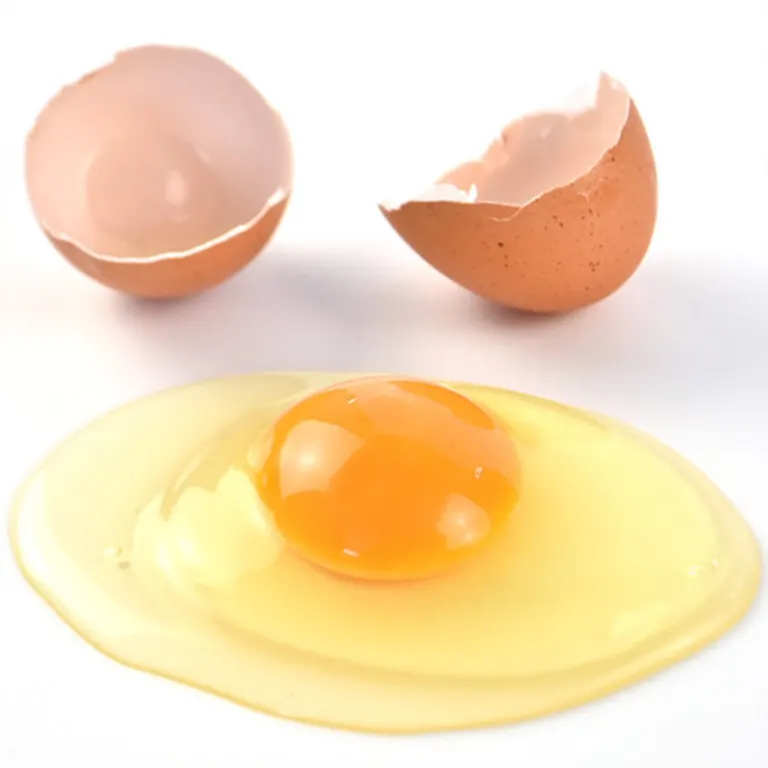
Photo courtesy of Hokkaido Pippu Shoten
We spoke with Mr. Katsuyuki Okuma, the president of Okuma Poultry Farm, which produces these eggs.
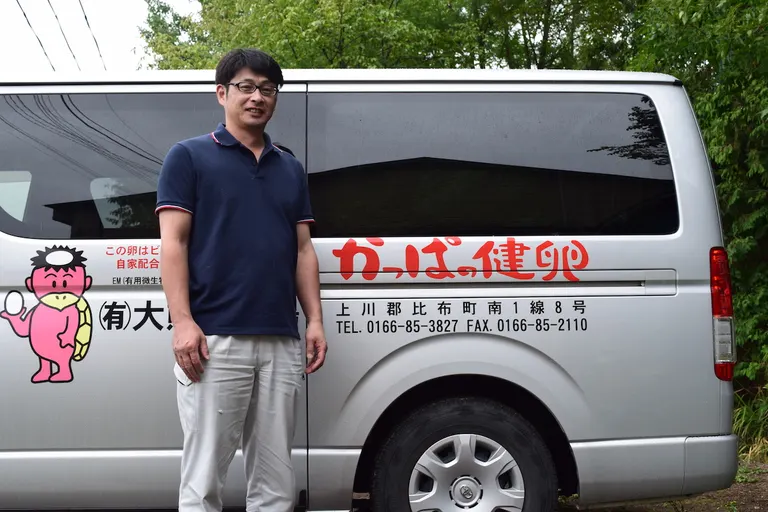
The secret to their deliciousness, he says, is "keeping the chickens healthy."
At Okuma Poultry Farm, they believe that what the chickens eat has a major impact on the health of the people who eat the eggs. Therefore, they completely eliminate any chemical substances or toxins.
They strive to improve the chickens' hygiene and health by mixing EM bacteria (a symbiotic culture of microorganisms) into a specially blended feed of corn, kelp powder, okara (soy pulp), and fish meal.
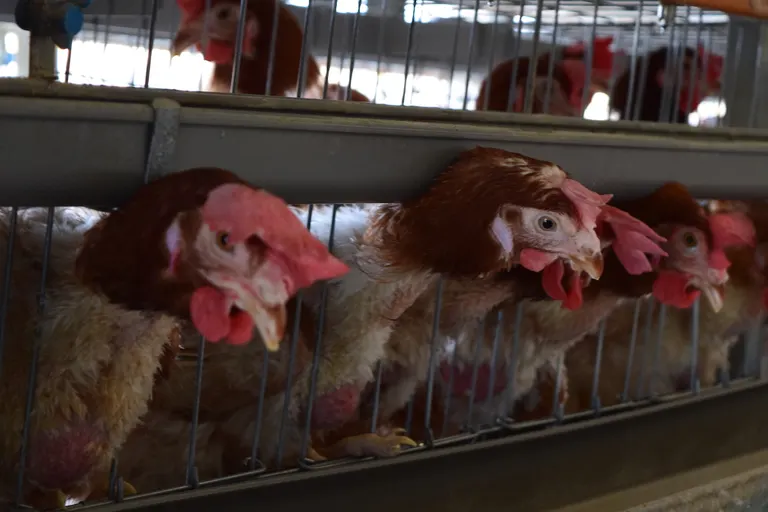
Mr. Okuma says he feeds them this special diet at 6 a.m. every morning and checks on each chicken to see if they are energetic and not fighting.
Each egg laid by these carefully raised chickens is a treasure.
Okuma Poultry Farm currently has about 12,000 adorable chickens. They lay eggs in both summer and winter, shipping out over 10,000 eggs every day.
"Pippu Konegi Shoyu" Made with Sweet Senbon Negi Green Onions Grown Under the Snow
"Pippu Konegi Shoyu" is a soy sauce made with Pippu's specialty Senbon Negi, "Shun no Irodori."
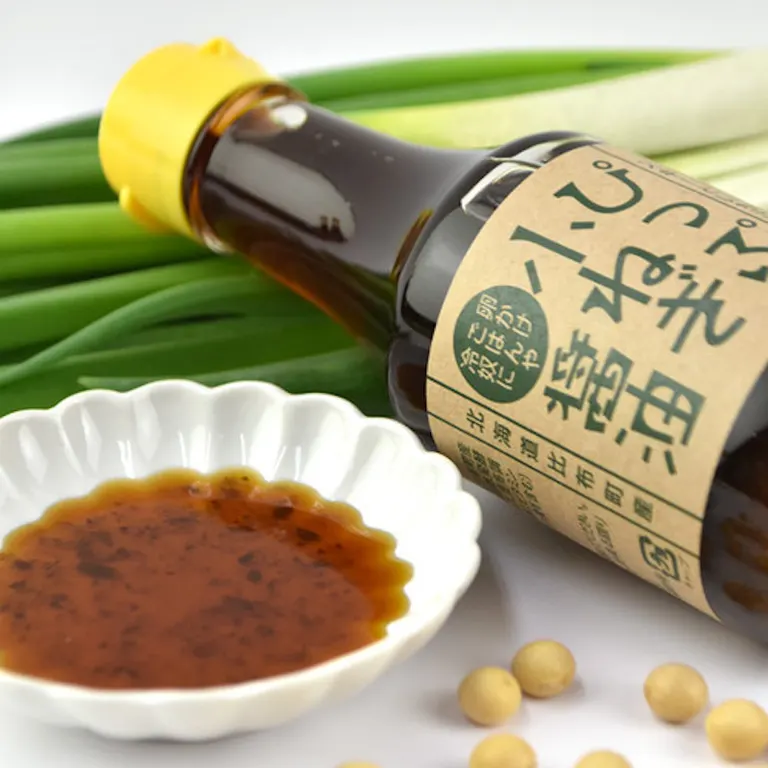
Photo courtesy of Hokkaido Pippu Shoten
Its cultivation method is different from that of regular green onions, characterized by its ability to survive the winter.
First, seedlings are planted one by one in the fields in May. A single spring seedling grows into a clump of about 15 stalks by autumn. This is why it's called "Senbon Negi" (thousand-stalk green onion).
They are left to grow in the fields even after it snows, and in December, they are dug out from under the snow and replanted in greenhouses. These are seasonal green onions that can only be tasted during the cold period from January to March when the new shoots grow to 35 centimeters.
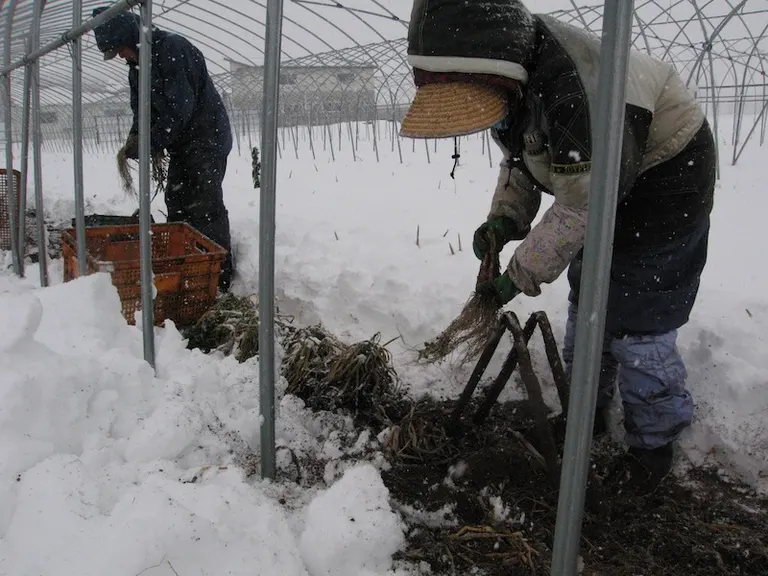
Photo courtesy of Pippu Town
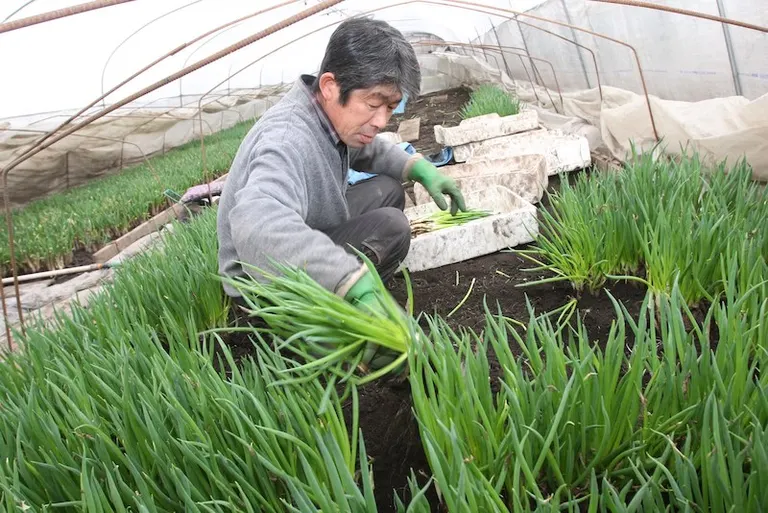
Photo courtesy of Pippu Town
These green onions are very precious, as the harvest period is short and only 20 farmers cultivate them.
"Pippu Konegi Shoyu" was jointly developed with Kikkounihon, a long-established soy sauce company in Asahikawa, to take advantage of the sweetness and aroma of "Shun no Irodori" for Tamago Kake Gohan.
The sweetness and rich aroma of the green onions infuse the soy sauce, creating a flavorful condiment that ties the egg and rice together and enhances their taste.
It's not just for Tamago Kake Gohan; it's a versatile sauce that's also great on cold tofu or with gyoza dumplings.
Tamago Kake Gohan with the 'Rich Tamago Kake Gohan Set'
Making it is very simple.
First, cook the Yumepirika rice. Since new-crop rice has a higher moisture content than old rice, try using slightly less water.
Once the rice is cooked, crack a Kappa no Kenran egg on top, and drizzle with Pippu Konegi Shoyu! The green onions tend to settle at the bottom, so it's best to shake the bottle before pouring.
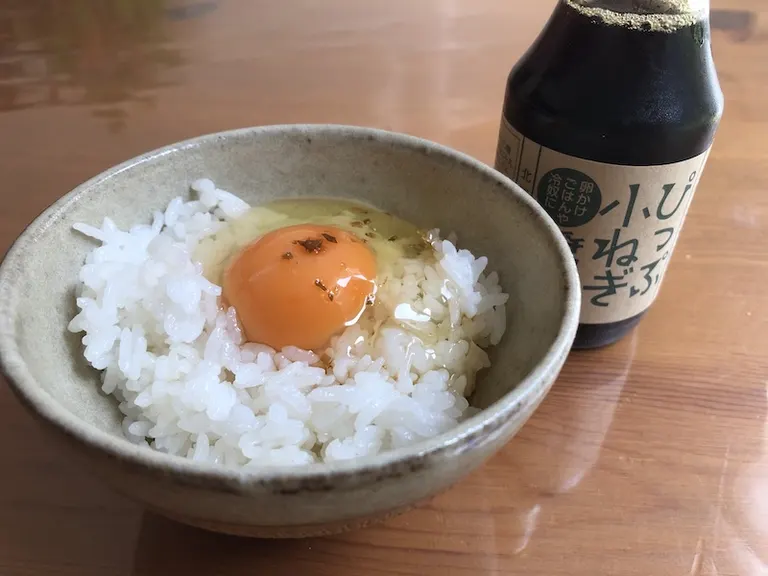
The Domingo editorial team tried this ultimate Tamago Kake Gohan and was amazed by the richness of the egg and its lack of any unpleasant smell. It matched perfectly with the flavor of the green onions in the Pippu Konegi Shoyu, and we couldn't stop eating.
We encourage everyone to enter the giveaway and taste this Tamago Kake Gohan, packed with the dedication of Pippu Town!
Photo courtesy of Hokkaido Pippu Shoten
■ Pippu Town Official Website
■ Hokkaido Pippu Shoten
■ Pippu Town Twitter
■ Pippu Town Furusato Nozei (Hometown Tax) Website
■ Pippu Town Tourist Information Site
Enter via this tweet!
When entering, please be sure to read the Giveaway Campaign Guidelines carefully before applying./
— Domingo(公式) | 市町村公認!北海道の情報メディア (@cfm_domingo) September 13, 2021
フォロー&RTで#濃厚たまごかけごはんセット が当たる!
\
北海道比布町の厳選素材を集めた「たまごかけごはんセット」を5名様に #プレゼント 🥚🍚🎁
▼応募方法
①@cfm_domingo をフォロー
②この投稿をリツイート
▼〆切
9/20(月)#北海道 #比布町 #TKG #グルメ https://t.co/HYf00D1wVN