

ARTICLES
You Call That Heavy Snow? The "Snow Country Bragging" Phenomenon on Japanese Social Media



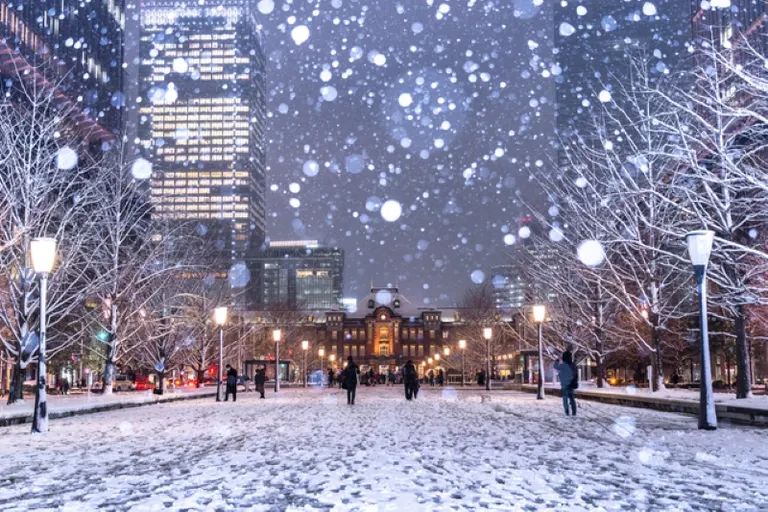
From February 5th to 6th, 2024, snowfall in Tokyo and the Kanto region caused significant disruptions to daily life, including public transportation. Meanwhile, in regions like Hokkaido and Tohoku, life goes on with little to no interruption despite tens of centimeters of snow piling up every year. This contrast has given rise to social media posts from people in snowy regions, asking things like, "You call that heavy snow?" This phenomenon, dubbed "Yukiguni Mount" (snow country bragging), has been causing a stir. Let's explore the reasons behind this "snow country bragging."
Significant Snowfall is Truly Rare in Tokyo's 23 Wards
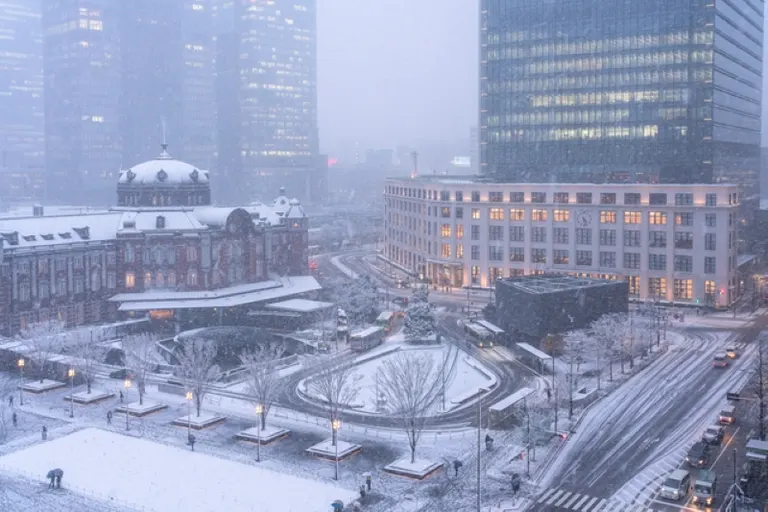
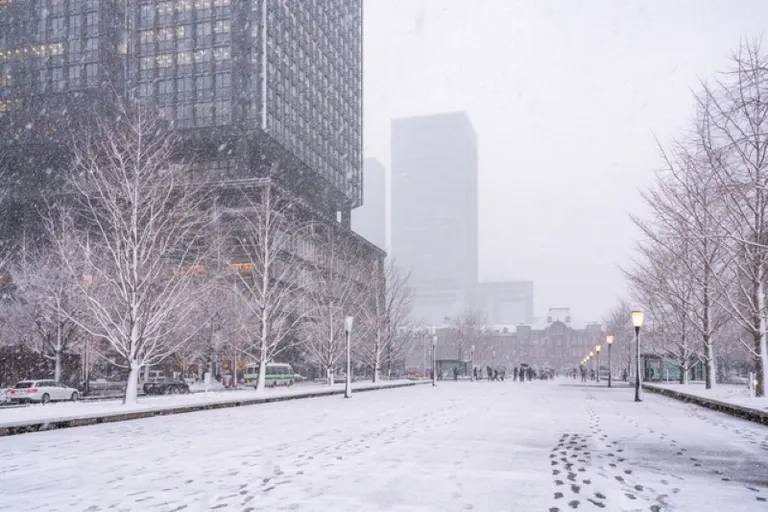
When it snows in Tokyo, it's often reported as "heavy snow" in the news. According to statistics from the Japan Meteorological Agency, the average annual snowfall in Tokyo's 23 special wards is 8cm. However, this average includes times when snow falls but doesn't accumulate. In fact, this was the first time in two years that more than 1cm of snow was recorded in Tokyo. Snowfall itself is a rare event in this region.
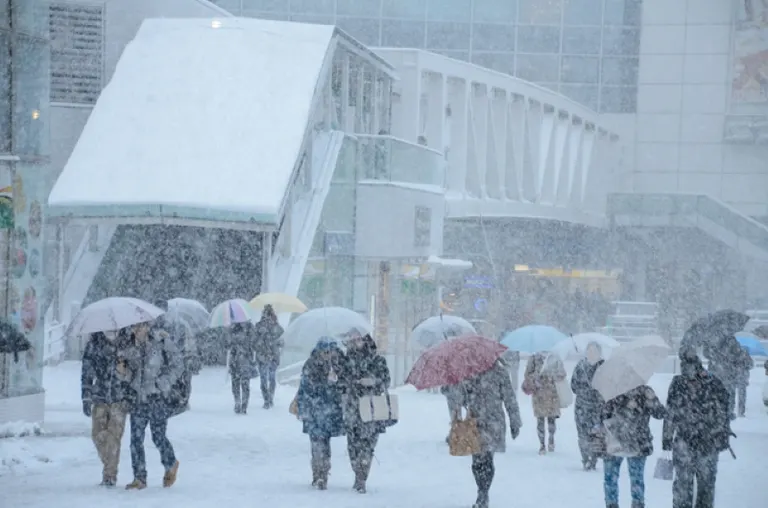
When it snows, transportation in the city descends into chaos. Trains are frequently suspended or delayed, and cars get stuck or slip, unable to move. Many have probably seen news footage of cars slipping on snowy roads, unable to climb hills. In contrast, in snow country, daily life is hardly affected by snowfall. The reason lies in their "preparedness" for coexisting with snow.
What is this "Preparedness" for Coexisting with Snow?
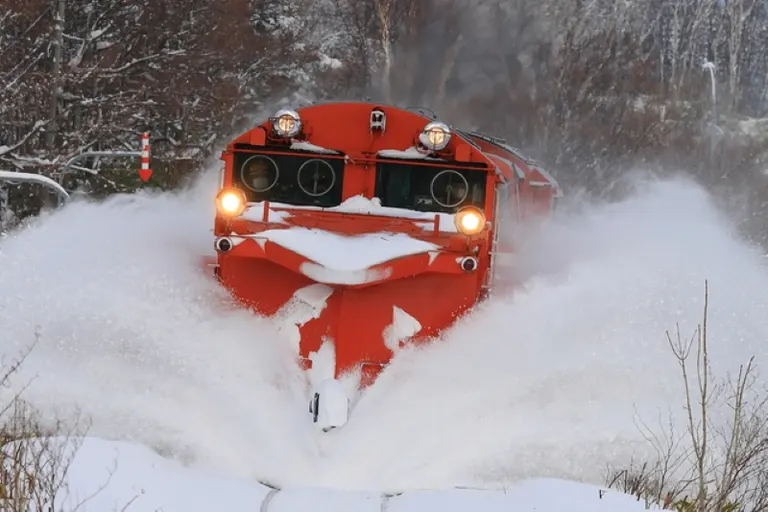
For example, railways constantly monitor snowfall conditions and use snowplow trains and other snow removal machinery to clear snow from the tracks. In station yards, snow removal is carried out by crews of workers. In Hokkaido, a team of about 1,100 people works day and night to clear snow.
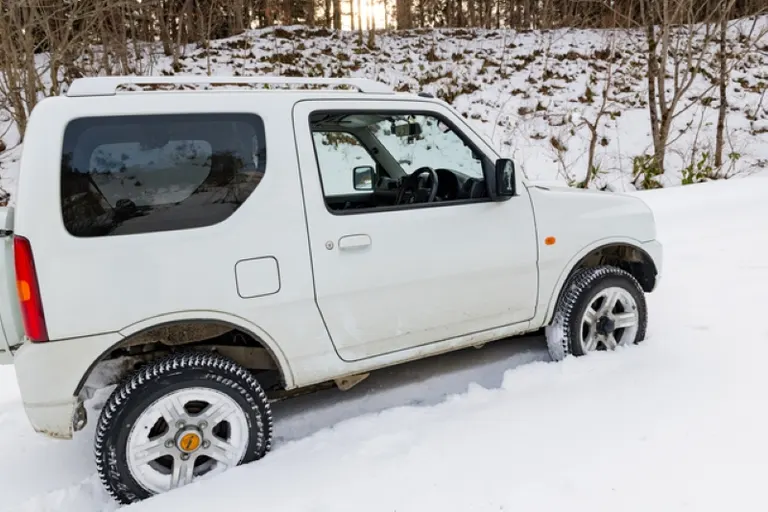
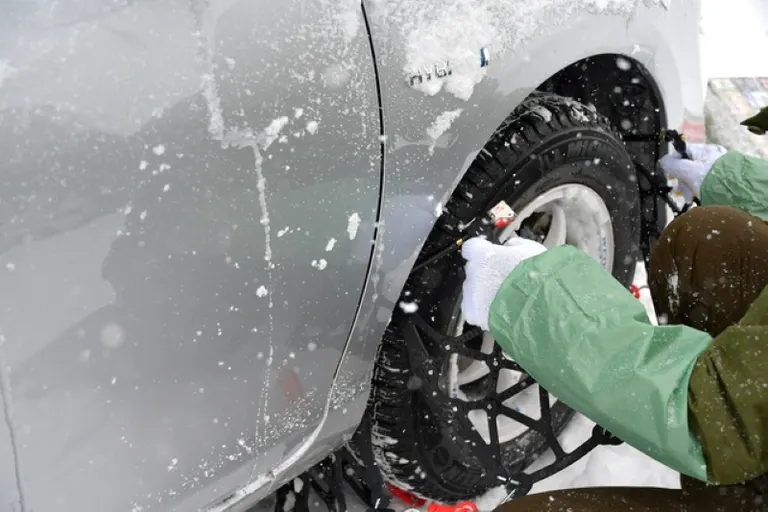
Furthermore, before winter begins, car tires are switched to studless tires, which are specially developed for safe driving on snowy and icy roads. Trucks and other vehicles that need to travel through deep mountain passes may carry chains, which are even more effective than winter tires, to be mounted during heavy snow. Some also carry "recovery tracks," which can be placed under the tires to increase friction and help a vehicle get unstuck from the snow.
Differences Between Regions are Natural! Let's Have Mutual Understanding and Respect
As you can see, it's only natural that regions where snow is common and regions where it is rare have different experiences and ways of dealing with it. Let's all get along with snow through mutual understanding and respect!
*Images are for illustrative purposes only.