

ARTICLES
Hatsune Miku Symphony Celebrates 10th Anniversary! Key Figure Discusses Past and Future Ahead of First-Ever Sapporo Performance




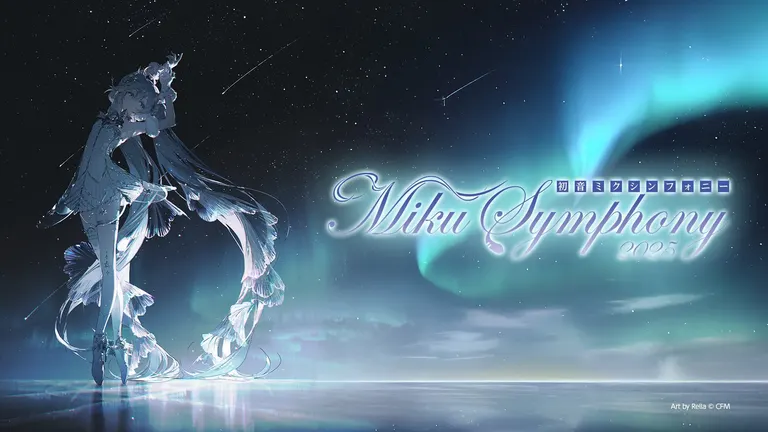
Art by Rella
President and CEO of Butai Entertainment Inc. Born in Hakodate, Hokkaido. He launched and has managed "Hatsune Miku Symphony" since 2016 and "SEKAI SYMPHONY" since 2021. He has been involved in the production of various VOCALOID song albums.
Virtual Singer Songs in a Classical Hall
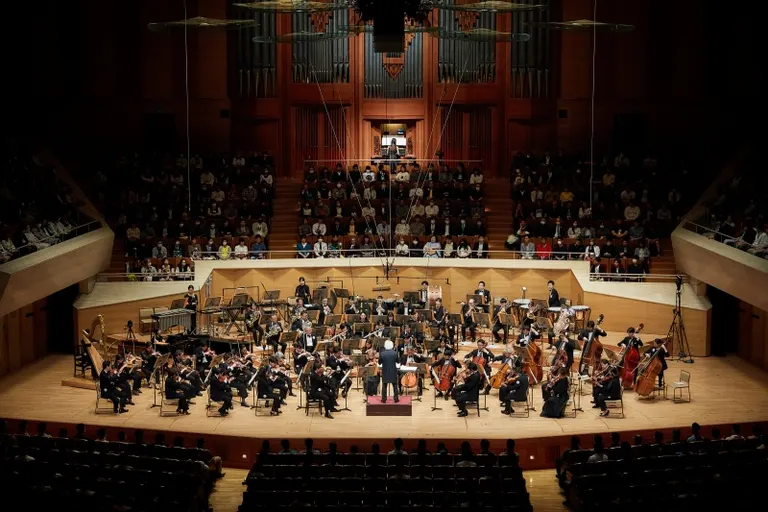
From the "Hatsune Miku Symphony 2024" performance at Suntory Hall (Photo: Toshimitsu Kokufuda)
—First, could you tell us how "Hatsune Miku Symphony" began?
Toshitaka Ikeda (hereafter "Ikeda"): At Pony Canyon's label "EXIT TUNES," where I previously worked, I was in charge of VOCALOID compilation and artist albums. After that, in 2013, I moved to another record company, "Warner Music Japan." There, while I was also in charge of artists unrelated to Vocaloid, a colleague on my team had been involved with the orchestra concerts for the "Tales of" game series, and that's where I got the hint for this project. I also privately attended concerts like "Disney on CLASSIC," so the idea of "Couldn't we do this with Hatsune Miku's music?" was the starting point for the project.
—Adapting songs from a completely different genre like Vocaloid for a classical orchestra sounds difficult. Were you not anxious about the challenge?
Ikeda: It's true, at first, I couldn't imagine what kind of concert or arrangements it would turn out to be. However, many classical concerts are held for game music and the like. At the time, I thought we might be able to expand the potential of Vocaloid songs, which tended to be grouped with anime and internet-based music. Also, I simply wanted to hear Vocaloid music performed by an orchestra myself, and I thought Hatsune Miku Symphony would be a way to reaffirm the wonderfulness of the Vocaloid songs I've been involved with for so long. But until it actually happened, I was a mix of anxiety and excitement (laughs).
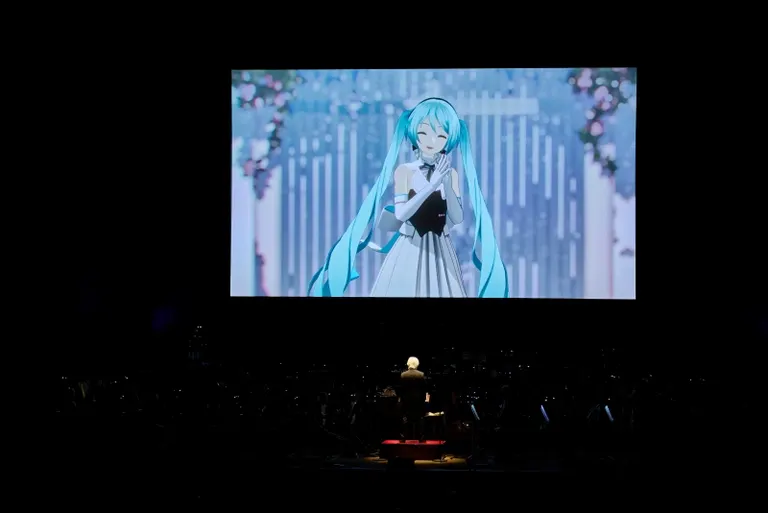
From the "Hatsune Miku Symphony 2024" performance in Yokohama
—So you didn't know how it would turn out until the curtains went up.
Ikeda: That's right. However, I thought it would be a fresh experience for the audience as well. As I attended concerts myself, I realized that listening to live music, especially an orchestra, has an overwhelmingly greater emotional impact than listening to a recording. When we started, I never thought it would become an event that would last for 10 years, so I'm very happy.
—How are the arrangements done?
Ikeda: We have a team of four or five arrangers. We assign the songs to each arranger, and they arrange about 15 to 20 songs in total. In the early days of the concert, many arrangements interpreted Vocaloid songs through a classical music lens. The tempos were more classical, and the feel was quite different from the original songs. Recently, however, some songs have been arranged to be closer to the originals. We've been able to express Miku's voice with instruments and interpret various sounds through an orchestral lens, regardless of genre, which has allowed us to choose from a wide variety of songs. We strive to create arrangements that will satisfy the fans of Hatsune Miku Symphony.
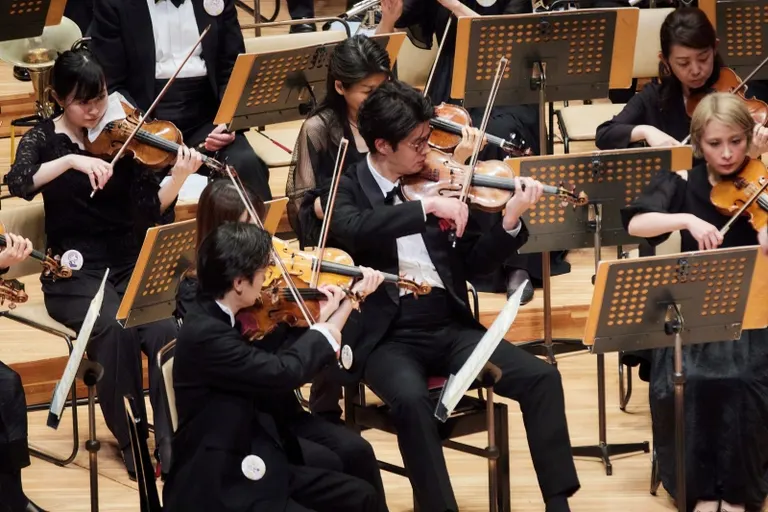
(Photo: Toshimitsu Kokufuda)
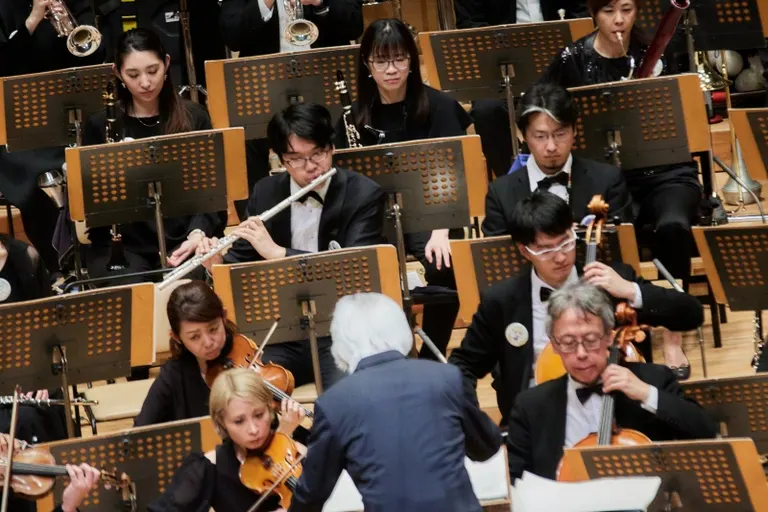
(Photo: Toshimitsu Kokufuda)
—It's not just the music; the production must have evolved as well, right?
Ikeda: The basic style was to project music videos or MC videos of Hatsune Miku and other characters for the audience to enjoy along with the orchestra's performance. However, when we performed at Suntory Hall, one of Japan's premier classical halls, in 2020, we held it for the first time in a purely classical concert style without any video projections. Initially, some staff were worried if fans would be satisfied with a concert without Hatsune Miku present, but I had always dreamed of performing at Suntory Hall. A concert in a dedicated classical hall was a challenge, but I was confident that the experience of listening in the best acoustic space would surely satisfy everyone.
By offering two types of performances—one with virtual singer vocals and video production, and another with live instrumental performance in a classical hall without video—I feel we were able to increase fan satisfaction even more. Many people attend both types.
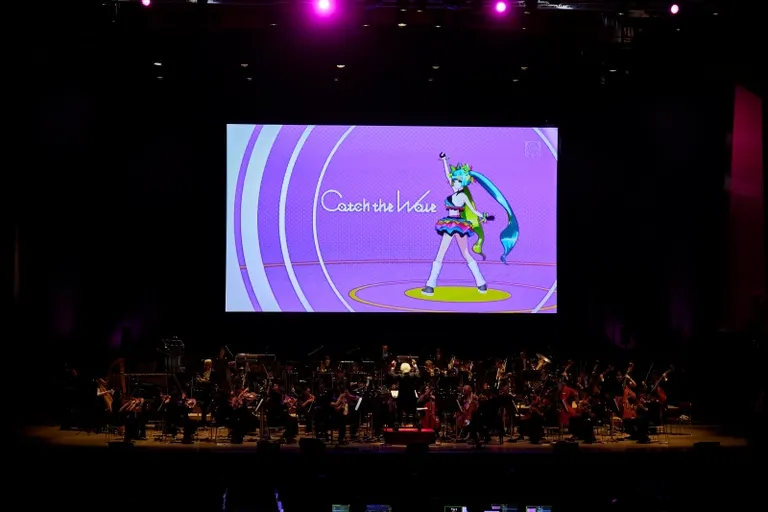
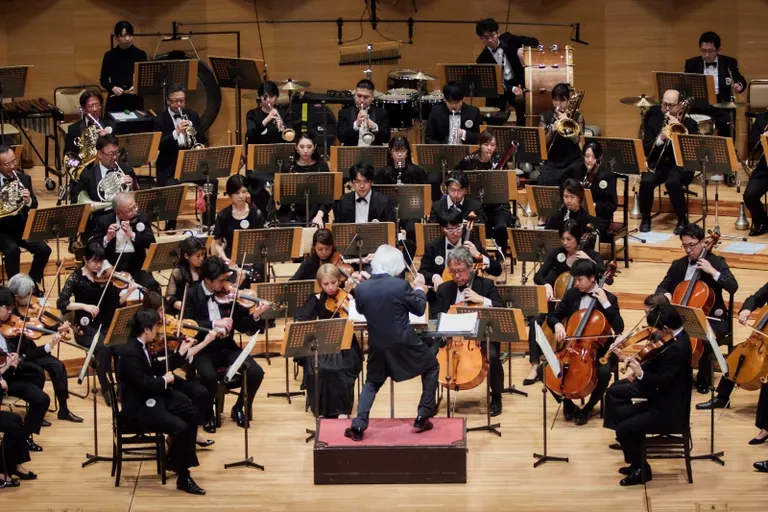
(Photo: Toshimitsu Kokufuda)
—What would you say is the biggest difference from a traditional classical concert?
Ikeda: Classical concerts are also held for game music and anime songs, so in that sense, there's no difference. However, I think the unique characteristic of Vocaloid songs is their wide range, including more complex electronic music and extremely fast-paced tracks. Hearing those classical arrangements allows for new discoveries about the charm of the songs, which I think is a major difference. We always get comments like, "I can't believe they're playing this song!" so we want to create surprises that make everyone gasp.
- 1
- 2